
Vandaag of morgen in huis

Kwaliteit gegarandeerd

Welkomstaanbiedingen ontgrendelen: GRATIS bezorging | Tot 80% korting | Gratis 30 dagen JoyPlus-proefperiode
Download de app
Protein supplements may seem straightforward at first glance: choose a flavour, add water and you’re ready to go. Yet many athletes pay for features they do not need, or choose a product that does not suit their diet. With this practical checklist, you can compare whey protein, clear whey, casein protein and ready-to-drink protein drinks based on verifiable product information.
A large number on the packaging does not tell you everything. Always check:
For example, a 30-gram serving of protein may come from a 40-gram scoop, while another shake may require more powder to provide a similar amount.
A sugar-free protein drink may still contain sweeteners. Various clear whey products, for example, list sucralose, acesulfame-K or steviol glycosides. So check the full ingredients list if you are sensitive to certain sweeteners or prefer a short list of ingredients.
Claims about rapid absorption, recovery or performance are not automatically relevant to you. Look at the composition and ease of use first. Protein powder for use at home may be more affordable per serving, while a ready-to-drink protein drink is more convenient when you are out and about. Neither option is suitable for every situation.
Protein contributes to the growth and maintenance of muscle mass when the product is used as part of a varied diet. A supplement is not a replacement for a complete meal or balanced diet.
Whey protein is a milk-based protein that is often used around exercise or between meals. Whey isolate is generally a more concentrated source of protein. However, check the label for milk and soya allergens.
Clear whey usually uses whey protein isolate but has a light, squash-like consistency rather than a creamy shake. This can be useful if you do not want to drink a milky protein shake. Temporary foam may form when mixing; some products therefore recommend leaving the drink to stand for a while.
Casein protein is often described in product information as slow-digesting. It may be suitable between meals or before bed, but the most important thing is still how much protein you need each day and how the product fits into your diet.
Compare products on a like-for-like basis. Pay attention to the combination of:
Optimum Nutrition Platinum Hydro Whey Milk Chocolate, for example, lists 30 grams of protein per 40-gram serving, with approximately 141 kcal per serving. The 1.6 kg pack contains approximately 40 servings. The vanilla flavour also contains 30 grams of protein per serving, but has a slightly different nutritional table. Always check the flavour variant you are actually buying.
Protein powder is practical for use at home: you can mix it with water or milk and adjust the liquid to suit your taste. A ready-to-drink protein drink requires no shaker, making it suitable for work, travel or immediately after training.
A pre-workout supplement is different from a protein product. According to the product information, Optimum Nutrition Essential Amin.O. Energy contains 5 grams of amino acids per serving and 100 mg of caffeine. BCAAs are part of the amino acid blend. This product is therefore intended as an amino acid and caffeine drink, not as a replacement for a protein shake.
Keep your total daily caffeine intake in mind. Follow the recommended dosage and avoid using a caffeinated product shortly before bed if you are sensitive to caffeine.
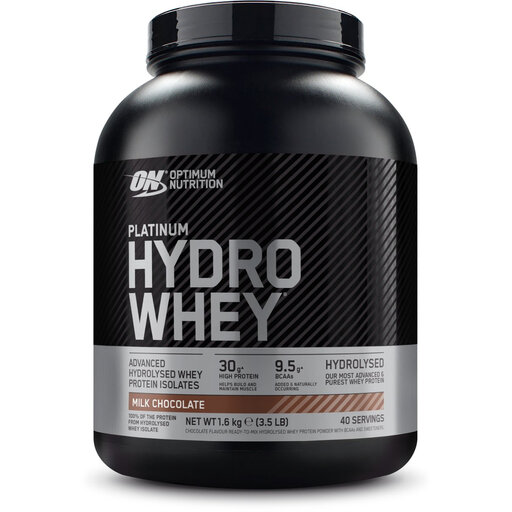
Why it suits this profile: The pack states that it contains approximately 40 servings. This makes it easy to calculate the cost per serving and establish a consistent protein routine.
The product information clearly states the serving size, protein content and nutritional values: 40 g of powder provides 30 g of protein and approximately 141 kcal.
Hydrolysed whey protein isolate, 30 g of protein per serving and approximately 40 servings per pack.
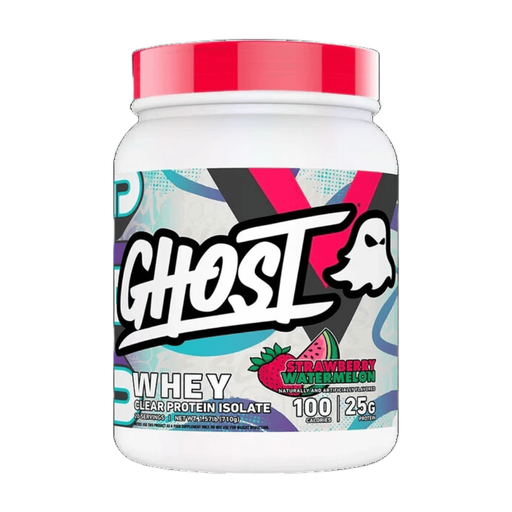
Why it suits this profile: This clear whey is intended for adults who prefer a light, fruity protein drink to a creamy shake.
The nutritional information lists 25 g of protein, approximately 100 kcal and 0 g of sugar per serving. According to the ingredients list, the sweet flavour comes from sweeteners.
Whey protein isolate, 25 g of protein per serving and no added sugars according to the product description.
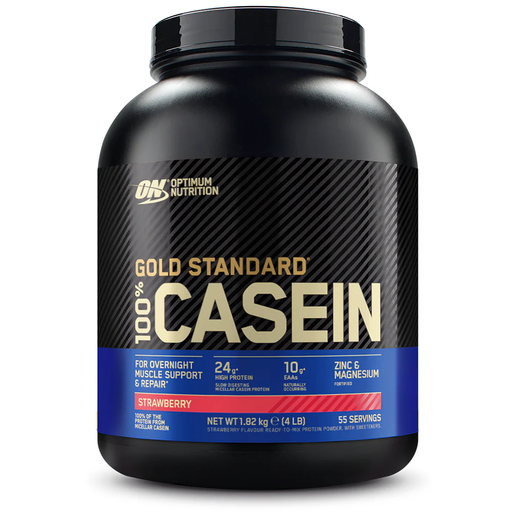
Why it suits this profile: Casein may suit athletes who want to plan their protein intake between meals or before bed.
The product description identifies the type of protein and recommended times of use, so you do not confuse it with a caffeinated pre-workout supplement.
24 g of protein and 9 g of essential amino acids per serving according to the product information; 1.816 g pack.
We have compiled a complete, up-to-date list of products that fully meet these strict selection criteria and the applicable European safety regulations.
For unopened products, follow the best-before date on the packaging. Store the product according to the label, usually in a cool, dry place away from direct sunlight. Close the pack securely after each use and do not use a product if the seal is damaged.
Divide the purchase price by the number of servings. Then compare the protein content per serving. A larger pack is not automatically better value if the serving size is larger or you use the product less often.
Not necessarily. A protein drink can be a convenient way to increase your daily protein intake. You can also choose protein-rich foods. Above all, choose a format that suits your schedule, taste, nutritional requirements and any allergies.
