
Vandaag of morgen in huis

Kwaliteit gegarandeerd

Welkomstaanbiedingen ontgrendelen: GRATIS bezorging | Tot 80% korting | Gratis 30 dagen JoyPlus-proefperiode
Download de app
When you're looking to buy protein supplements, you'll quickly come across terms like whey isolate, fast-absorbing, low sugar and muscle recovery. These words don't automatically mean a product is right for your diet or training routine. Making the right choice starts with checking the nutritional value, ingredients and format.
A protein powder might deliver plenty of protein per serving, but it could still be unsuitable if you're sensitive to milk, soya or certain sweeteners. Always check the full ingredients list. Whey protein and whey isolate come from milk. Vegan protein powder is usually based on peas, rice or other plant sources.
Also pay attention to the difference between protein per 100g and protein per serving. A 30g serving with 24g of protein is quite different from a large shake containing multiple scoops.
With a low sugar protein product, sugar may have been replaced by sweeteners or polyols. These ingredients can improve taste and texture, but excessive intake of polyols can have a laxative effect. This is often stated on the product information of various protein bars.
So look beyond sugar and check calories, carbohydrates, fats and polyols too. A bar may be low in sugar, but still relatively high in energy due to chocolate, nuts or syrups.
Protein powder is practical at home, but not always on the go. A protein bar, high-protein snack, ready-to-drink protein shake or protein water might be better suited to work, travel or immediately after the gym. On the other hand, you'll often pay more per gram of protein for a ready-made option.
So decide on when you'll use it first, then choose the flavour. That way, you'll avoid ending up with a large tub sitting unused in your kitchen cupboard.
For many adults, 20 to 25 grams of protein per serving is a useful benchmark for comparison. Your individual needs will vary depending on body weight, overall diet and training goals. According to an EU-authorised health claim, protein contributes to the growth and maintenance of muscle mass, but a supplement doesn't replace a varied diet.
Also check the serving size. With some products, one scoop is around 30g, while others recommend two scoops.
Always re-check the packaging if you have an allergy or intolerance. Recipes and warnings can change.
Compare products per serving, not just per pack. A whey shake with 24 or 25g of protein can contain less than 2g of sugar. With protein bars, calories and carbohydrates vary much more widely. Also watch out for caffeine. The Applied Nutrition Critical Whey Caramel Latte, for example, contains 100mg of caffeine per serving. That makes this variant less suitable late in the evening or for people who want to limit their caffeine intake.
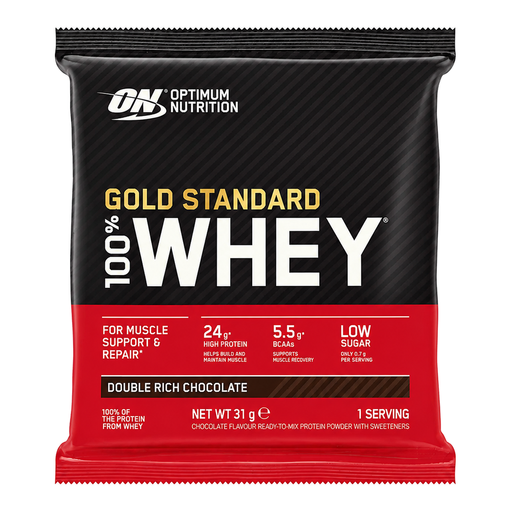
Why this fits the profile: A 30g sachet is handy for trying out a flavour and seeing when it works for you, without committing to a large tub.
The serving size and nutritional values are clearly stated: approximately 24g protein, around 1g sugar and 116 kcal per serving according to the product description.
A blend of whey isolate, whey concentrate and hydrolysed whey; mixes with water or milk.

Why this fits the profile: Ideal for athletes who want a high protein intake per shake combined with low sugar and fat.
The product details state 25g protein, less than 0.5g sugar and less than 0.5g fat per 31g serving.
Whey protein isolate as the main ingredient, 31 servings and vanilla flavour; contains milk and soya.
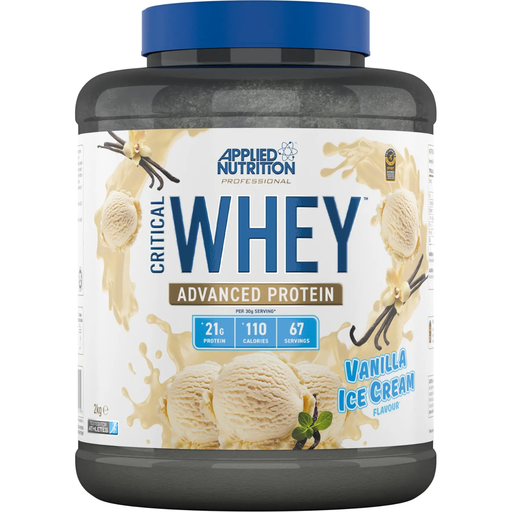
Why this fits the profile: The large tub suits athletes who use a protein shake regularly and don't want to reorder as often.
The nutritional information states 21g protein, 110 kcal, 2g carbohydrates and 1.5g fat per 30g serving.
2kg content, approximately 67 servings and a combination of whey concentrate, whey isolate and hydrolysed whey.
We've put together a full, up-to-date list of products that fully meet these strict selection criteria and comply with current European safety regulations.
A protein shake is usually the most efficient option when you have access to water and a shaker at home or in the gym. A protein bar is ready to eat straight away, but always check the sugar, calories, fibre and polyols. The Barebells Caramel & Cashew contains 20g of protein per bar and 1.5g of sugar according to the product information, but also 5g of polyols. The Grenade Carb Killa contains 20g of protein and around 1.4g of sugar per bar, again with polyols.
Protein water is a light, non-creamy option. The Optimum Nutrition Protein Water states 16g of whey isolate per 350ml bottle, with no sugar and 64 kcal per bottle. It does contain milk and is therefore not suitable for people avoiding milk ingredients.
That depends on your total protein requirement and what you're already getting from your regular diet. A supplement is intended as a top-up, not a replacement for meals. Follow the serving instructions on the label and don't exceed the recommended daily amount.
Whey isolate often contains relatively little sugar and fat, but this varies by flavour and brand. Always check the nutritional values per serving. For example, the Optimum Nutrition Gold Standard Isolate Vanilla states less than 0.5g of sugar per serving. The presence of milk and soya remains important if you have allergies or intolerances.
A protein bar can be practical after exercise when you're on the go or can't prepare a shake. As well as the protein content, look at the calories, fats, carbohydrates and polyols. A bar is a handy snack, but it's not a replacement for a varied meal or a balanced diet.
