
Vandaag of morgen in huis

Kwaliteit gegarandeerd

Welkomstaanbiedingen ontgrendelen: GRATIS bezorging | Tot 80% korting | Gratis 30 dagen JoyPlus-proefperiode
Download de app
Buying protein supplements seems straightforward until you compare the labels side by side. One product may describe itself as a complete protein solution, yet contain relatively little protein per serving. Another may provide plenty of calories, but not suit someone who simply wants to top up their daily protein intake.
For adults who exercise, do fitness training or simply want to consume more protein, three pitfalls are particularly important: marketing claims without clear nutritional values, choosing the wrong product format for the occasion, and paying insufficient attention to allergens or caffeine. The points below make it easier to compare protein powder, protein shakes, protein bars and weight-gainer products in practical terms.
Terms such as “high protein”, “low sugar” or “muscle support” only tell you something once you check the table. Always look at:
A 33-gram serving containing 24 grams of protein is not directly comparable with a 74-gram serving containing 25 grams of protein. With a protein bar, the total calories and sugar content also matter. According to the product information, the Liga Protein Bar Cranberry contains 14 grams of protein per 100 grams, but also 443 kcal and 28 grams of sugar per 100 grams. This makes the bar more of a snack with added protein than a concentrated protein product.
A mass gainer, such as Serious Mass, is designed to add extra calories and carbohydrates. According to the product description, the stated 334-gram serving contains approximately 50 grams of protein, 250 grams of carbohydrates and around 1.269–1.292 kcal. This may be suitable for gaining weight, but it is far more than you need if you simply want to make up for a shortfall in your daily protein intake.
If your main aim is to support muscle growth and recovery without adding lots of extra calories, whey protein or another type of protein powder is usually the more practical choice.
Sweeteners, polyols, milk ingredients, soya and caffeine can appear in different formulations. Always check the label, particularly if you have allergies, intolerances or sensitivity to caffeine.
According to the product information, Applied Nutrition Critical Whey Caramel Latte contains 100 mg of caffeine per 33-gram serving. That is a significant difference compared with a neutral whey product without caffeine. Nutramino and Optimum Nutrition bars contain, among other ingredients, milk and soya; some varieties may also contain traces of nuts, peanuts, egg or gluten.
Whey protein usually consists of whey concentrate, whey isolate or a combination of the two. In the product examples provided, an isolate often contains little sugar and fat per serving. Optimum Nutrition Gold Standard Isolate Vanilla provides 25 grams of protein per 31-gram serving, with less than 1 gram of carbohydrates and less than 0.5 grams of fat.
A whey blend can combine different protein sources. Optimum Nutrition Gold Standard Strawberry lists 24 grams of protein per 30-gram serving and approximately 1.2 grams of sugar. So don’t just compare the name “100% whey”; focus particularly on the protein content per serving and the formulation.
A large pack may look like good value, but calculate the cost per serving. The 780-gram pack of Gold Standard Whey contains approximately 26 servings, while the 2.04-kilogram version can provide around 68 servings according to the product details. A smaller 300-gram tub is useful if you want to try a flavour before buying a larger quantity.
For bars and drinks, the price per item is the most useful comparison. For example, a Protein Water bundle contains six 350 ml bottles. According to the label, each bottle provides 16 grams of protein, 64 kcal and no fat or sugar. A bar may provide more protein, but it may also contain noticeably more calories and carbohydrates.

Why it suits this profile: The small pack, with approximately 24 grams of protein per serving, is a practical way to try a flavour and establish a routine without buying a large quantity straight away.
The nutritional information clearly states the serving size and protein content. This allows you to compare the amount of protein with other powders instead of relying solely on the wording on the packaging.
300 grams of product; approximately 24 grams of protein per serving; mixes with water or milk. Contains milk and soya.

Why it suits this profile: If you’re looking for a relatively high protein content with little sugar and fat, each stated serving provides 25 grams of protein, less than 1 gram of carbohydrates and less than 0.5 grams of fat.
The comparison is based on specific values per serving, not on general terms such as “fast” or “pure”. The pack states that it contains 31 servings in 930 grams of product.
25 grams of protein per serving; 31 servings; vanilla flavour; suitable for mixing with water or milk.
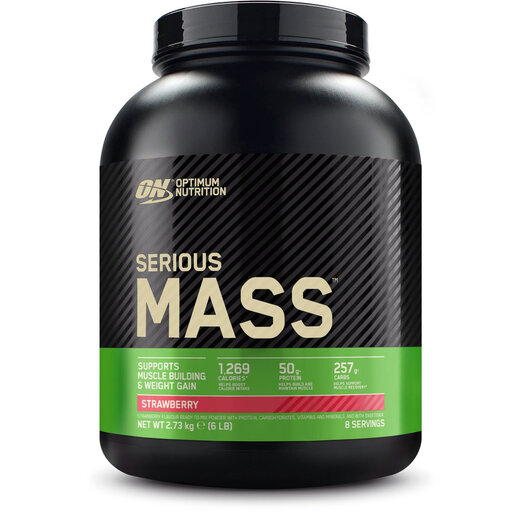
Why it suits this profile: This weight-gainer product is aimed at adults who want to add plenty of extra calories and carbohydrates to their diet alongside protein.
The very large serving size and the 9 servings are clearly stated, along with approximately 50 grams of protein and 250 grams of carbohydrates per serving. This makes the difference from ordinary protein powder clear.
2.73 kg of product; 50 grams of protein per stated serving; approximately 1.269–1.292 kcal per serving; strawberry flavour.
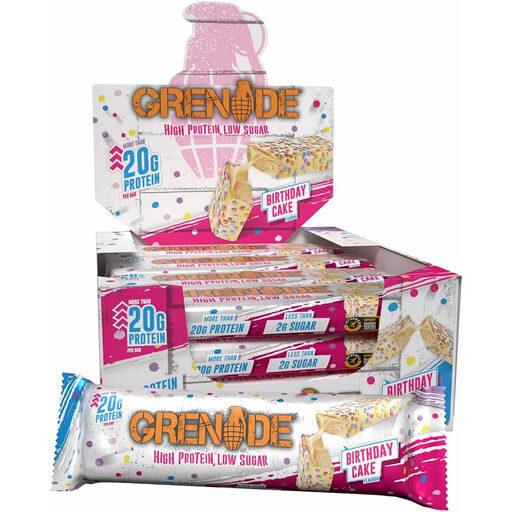
Why it suits this profile: A bar is ideal when you’re out and about, at work or straight after exercising and don’t want to carry a shaker.
The product information states both 20 grams of protein and 1.6 grams of sugar per 60-gram bar. This makes it easy to see the ratio between the protein content and the total serving size.
Box of 12 bars; 20 grams of protein per bar; 1.6 grams of sugar according to the product description; suitable for eating on the go.
We’ve put together a complete, up-to-date list of products that fully meet these strict selection criteria and the applicable European safety regulations.
You can use protein powder after exercising, between meals or at another time when you want to add extra protein. The timing is less important than your overall diet throughout the day. Follow the serving instructions on the label and do not use a supplement as a replacement for a varied diet.
The best-before date and storage instructions are shown on the packaging. Once opened, store the tub tightly sealed, in a dry place and away from direct sunlight. Do not use a product if its packaging is damaged. Protein shakes and protein drinks are different: drink a prepared shake immediately as instructed, while an opened ready-to-drink beverage should be stored in the fridge.
The price per serving depends on the pack size, number of servings and product format. For powder, calculate the purchase price divided by the number of servings. For bars and drinks, divide the bundle price by the number of items. Then compare the protein content per serving too, as a lower price does not automatically mean you’re getting more protein for your money.
Always check the current packaging, ingredients, allergen information and instructions for use before buying. Formulations may change. Protein supplements are intended to complement a varied diet and a healthy lifestyle.
