
Vandaag of morgen in huis

Kwaliteit gegarandeerd

Welkomstaanbiedingen ontgrendelen: GRATIS bezorging | Tot 80% korting | Gratis 30 dagen JoyPlus-proefperiode
Download de app
You want to increase your daily protein intake, but there is a huge range of protein supplements available. In shops and online, terms such as whey protein, low sugar, vegan protein and muscle recovery are often displayed prominently on the packaging. However, one eye-catching claim does not tell you everything about whether a product is right for you.
The key question is not which product makes the biggest promises, but which one suits your eating habits, training schedule and preferences. Below, you’ll find what to look for, which common pitfalls to watch out for and which popular choices suit different user profiles.
A protein bar may contain 20 to 25 grams of protein, but it may also be relatively high in calories, fat or carbohydrates. As a result, a bar is not always a simple replacement for a snack. As well as the protein content, check:
Some low sugar protein bars partly replace sugar with maltitol, sorbitol or other sweeteners. A high intake of polyols can have a laxative effect. Check the serving size and warnings on the label.
A product containing zero grams of sugar may still contain sweeteners. This applies, for example, to certain protein drinks, protein water and protein powder. Sweeteners are not necessarily a problem, but taste and tolerance vary from person to person.
A muesli bar with no added sugar may also contain naturally occurring sugars. Always compare the full nutrition table rather than just the front of the packaging.
Whey protein comes from milk and is therefore not suitable for vegans. Whey concentrate generally contains more milk components than whey isolate. A whey isolate is often chosen by people who want relatively high protein and little sugar or fat per serving, but it is still a dairy product.
Vegan protein is usually based on pea, rice or other plant proteins. If you have allergies, always check the ingredients list. “Vegan” also says nothing about the amount of fibre, calories or sweeteners.
Compare products based on a realistic serving size. A 60-gram protein bar containing 20 grams of protein cannot be compared directly with a 30-gram scoop of protein powder containing 24 or 25 grams of protein.
Examples from the range:
These figures are based on the product information provided. Always check the current label before buying, as ingredients and packaging may change.
A high protein percentage can be useful if you want to add as few calories as possible. However, pay attention to the full ingredient list. Some bars combine milk protein with collagen, soya protein or a crispy filling. This may improve the texture, but it is relevant if you are looking exclusively for whey or vegetarian sources of protein.
With protein powder, terms such as concentrate, isolate and hydrolysate are mainly useful for understanding the composition. For most shoppers, the total amount of protein per serving, sugar content and allergens are more practical comparison points than marketing terms such as “fast absorption”.
Many protein products contain milk and soya. Some protein bars also contain peanuts, nuts, gluten or collagen. A bar containing bovine collagen is not suitable for a vegetarian or vegan diet.
Also consider where you want to use the product:
Under the permitted EU claim, protein supports the growth and maintenance of muscle mass when the conditions for the claim are met. A supplement is not a replacement for a varied diet. Muscle growth and recovery also depend on training, overall nutrition, rest and individual needs.
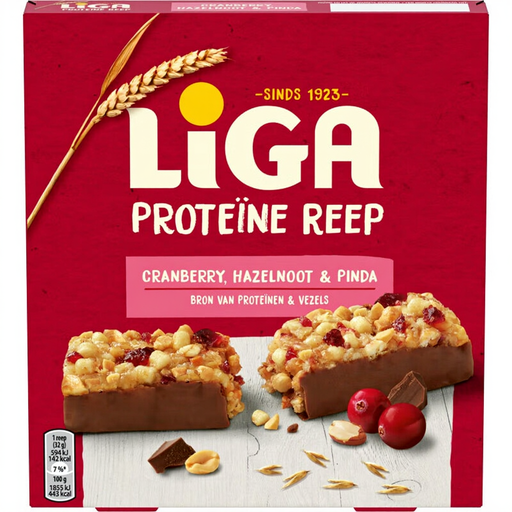
Why it suits this profile: An accessible snack for anyone who wants to find out whether a protein bar fits into their daily routine. The product information states that it contains 14 grams of protein and 3.5 grams of fibre per 100 grams.
The nutritional values make it clear that this is not a low sugar bar: the product states that it contains 28 grams of sugar per 100 grams. This helps you place the snack more consciously within your overall diet.
Source of protein and fibre; compact 160-gram pack; suitable as a snack between meals.

Why it suits this profile: For people who train regularly and want a consistent powder routine, with a high protein contribution per scoop and a larger supply for frequent use.
The product information states that each 31-gram serving contains 25 grams of protein, less than 0.5 grams of sugar and less than 0.5 grams of fat. This makes the relevant values clear from the outset.
930 grams of powder; 31 servings; whey isolate as the main protein source; vanilla flavour.
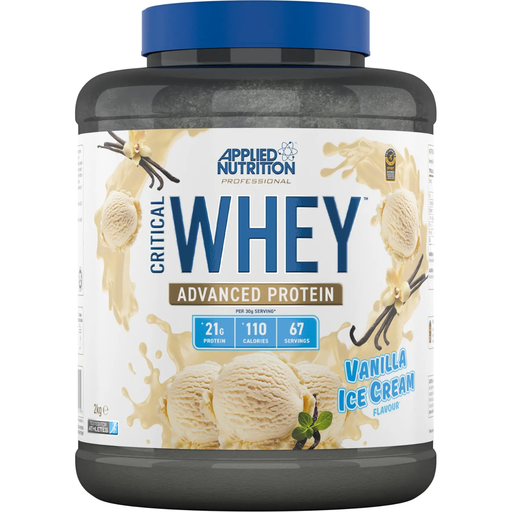
Why it suits this profile: For adults who train frequently and want a large pack for a regular protein shake after exercise or between meals.
The packaging states that each 30-gram serving contains 21 grams of protein, 2 grams of carbohydrates and 1.5 grams of fat. This allows you to plan your daily intake more accurately.
2 kilograms of powder; approximately 67 servings; combination of whey concentrate, isolate and hydrolysed whey; 2.4 grams of fibre per serving according to the product information.
We have put together a complete, up-to-date list of products that fully meet these strict selection criteria and the applicable European safety regulations.
You can use a protein shake, protein bar or protein drink after exercise, between meals or while you are out and about. The timing matters less than your total protein intake throughout the day. Always follow the recommended serving instructions on the label.
According to many product labels, whey isolate contains relatively little sugar, but the exact amount varies by flavour and brand. Check the nutrition table. Whey isolate still comes from milk, so it is not vegan.
Store protein powder tightly sealed, in a dry place away from direct sunlight. Store bars as instructed on the packaging, usually somewhere cool and dry. Always check the best-before date and do not use a product if the packaging is damaged. Opened protein drinks often come with additional instructions, such as keeping them refrigerated and consuming them within 24 hours.
