
Vandaag of morgen in huis

Kwaliteit gegarandeerd

Welkomstaanbiedingen ontgrendelen: GRATIS bezorging | Tot 80% korting | Gratis 30 dagen JoyPlus-proefperiode
Download de app
Whether you're an avid athlete, a busy professional, or simply looking for a sensible snack, the world of protein snacks can be overwhelming. The packaging makes lofty promises, but the reality is often different. As a Product Recommendation Officer at Joybuy, I'll help you see through the marketing hype and make a choice that fits your goals and your budget.
Before you fill your shopping cart, it's wise to know the most common pitfalls. Many people pay too much for products that don't live up to their promises.
To avoid a bad purchase, it's best to focus on a few concrete specifications. These objective criteria will help you choose the right fitness nutrition.
This is perhaps the most important factor. A good protein snack should contain significantly more grams of protein than sugar. Check the nutrition table per 100 grams or per serving. Is the amount of sugar nearly equal to or even higher than the amount of protein? Then you're better off leaving the product on the shelf if you're looking for low-sugar snacks.
A shorter ingredient list is often a good sign. Ingredients like milk protein (whey, casein), soy protein, nuts, or pea protein are clear and solid base sources. Be critical if the list is full of various types of syrup, palm fat, or unrecognisable chemical names. This determines whether you're holding a nutritious product or a highly processed snack.
Ask yourself what you need the snack for.
Based on these objective criteria, we have highlighted a number of popular choices that suit different needs.
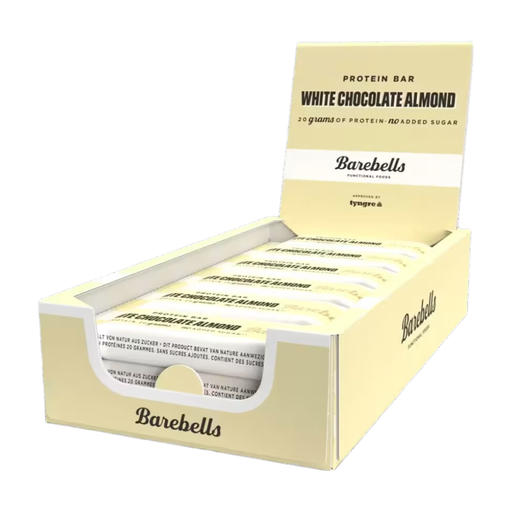
Why This Fits Their Persona: Ideal for those who need a quick, tasty, and filling snack for the office or on the go, without the sugar crash of a regular chocolate bar.
This bar bypasses the "healthy sugar bomb" trap. Despite its sweet taste, each bar contains only about 1 gram of sugar while packing 20 grams of protein.
Delivers 20 grams of protein per bar. Its taste and texture are often compared to a luxury chocolate bar, making it a popular and sensible snack.
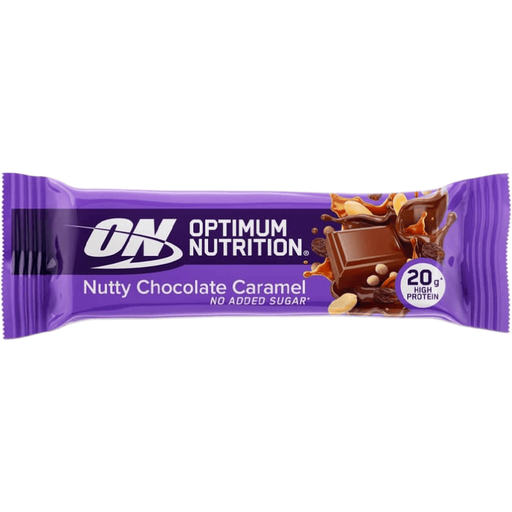
Why This Fits Their Persona: Focused on muscle recovery after a workout. The combination of protein and carbohydrates from peanuts and raisins helps replenish energy stores.
This bar looks beyond just the protein count. It offers a functional mix of macronutrients specifically tailored for post-workout recovery, rather than just chasing a high protein number.
Contains 20 grams of high-quality protein per bar and has no added sugars (contains naturally occurring sugars). The crunchy texture is a welcome change.
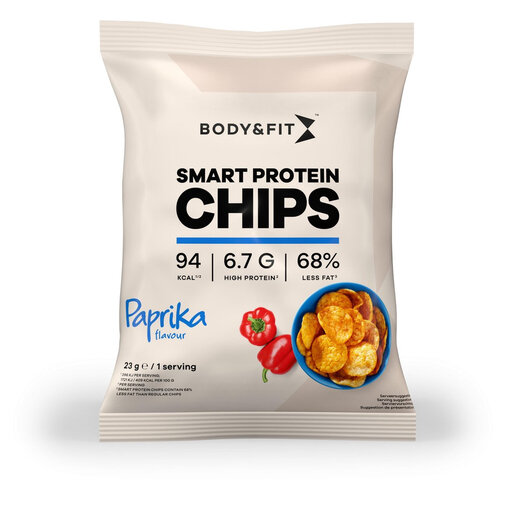
Why This Fits Their Persona: For those who aren't in the mood for sweet protein bars, but still want a high-protein, savory snack. An excellent alternative to traditional, greasy chips.
This product shows that protein snacks don't have to be monotonous. It breaks the focus on sweet bars and offers a savory option that avoids the high-fat pitfall of regular chips.
These protein chips contain 68% less fat than regular chips, according to the manufacturer. Each bag delivers 6.7 grams of protein and less than 95 kcal.
This is just a selection. We've compiled a complete and up-to-date overview of products that meet these objective selection criteria.
1. How many protein bars can I eat per day? This depends on your total diet and activity level. For most people, 1 to 2 protein bars per day is a good guideline. They are intended as a supplement, not a replacement for whole meals. Also, check the packaging; some products advise a maximum due to the sweeteners used, which can have a laxative effect if consumed excessively.
2. Are protein snacks only for after a workout? No, definitely not. While they are popular as a post-workout snack, they are also very suitable as a filling and healthy snack at work or during your studies. They help reduce cravings for unhealthy snacks and ensure stable energy levels.
3. What's the difference between a protein bar and a regular granola bar? The main difference lies in the macronutrients. Protein bars are specifically formulated to deliver a high dose of protein with the lowest possible sugar content. Granola bars, on the other hand, are often rich in carbohydrates and sugars (from grains, syrup, and dried fruit) and typically contain significantly less protein.
