
Vandaag of morgen in huis

Kwaliteit gegarandeerd

Welkomstaanbiedingen ontgrendelen: GRATIS bezorging | Tot 80% korting | Gratis 30 dagen JoyPlus-proefperiode
Download de app
If you exercise regularly or simply want to increase your protein intake, you’ll quickly come across protein snacks. A protein bar in your gym bag, a shake after training or a high-protein snack at the office is practical. Yet many products look more alike than they actually are. A striking claim on the front doesn’t always tell you enough about the composition, portion size or suitability for when you want to use it.
A product can contain a relatively high amount of protein, but also a lot of calories, fat or sugar. So always look at the nutritional values per bar, portion or bottle, not just per 100 grams. For example, a 74 g bar with 25 g of protein cannot be directly compared to a 55 g bar with 20 g of protein.
These terms do not mean the same thing. A product with no added sugars can still contain naturally occurring sugars. Sugar substitutes such as maltitol, sorbitol and other polyols are also commonly used. According to the product information, a high intake of these can have a laxative effect.
Many protein bars contain milk, soya, peanuts, nuts or gluten. Whey protein comes from milk and is therefore not suitable for anyone who needs to avoid milk ingredients. Always check the full ingredients list and the allergen information on the packaging. Formulations can change.
For a practical comparison, you can start with the number of grams of protein per individual portion:
A higher protein content does not automatically make a product suitable. Taste, texture, satiety, price per portion and how you intend to use it all matter too.
If you are specifically looking for low sugar protein bars, you need to read the nutritional information table rather than just the front of the packaging. Barebells, for example, states 20 g of protein and 1.5 g of sugar per 55 g bar. The bar also contains 5 g of polyols. The product information warns that excessive consumption can have a laxative effect.
An ordinary cereal bar may contain less protein, but can also play a different role as a snack. The Liga Protein Bar Peanut states, according to the product information, 15 g of protein per 100 g, alongside 24 g of sugars per 100 g. This makes this bar a different choice compared to a concentrated protein bar.
For post-workout snacks, individually wrapped bars, drinkable protein drinks and sachets are convenient. For daily use, a larger pack of protein powder can be more cost-effective per portion, but you will need water, milk or a plant-based alternative and a shaker.
Store bars and powders in a cool, dry place, away from direct sunlight and moisture. An opened protein drink should, according to the product instructions, be kept refrigerated and used within the stated time. Always check the best-before date and packaging.
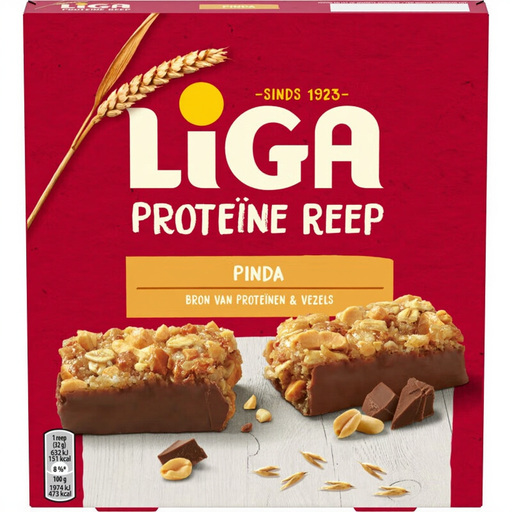
Why this fits the profile: This crunchy bar is an easy entry point for anyone trying high-protein snacks for the first time and looking for a cereal bar with a peanut flavour.
The product information clearly states protein, fibre, ingredients and allergens. This shows you that it is not a low sugar protein bar, but an ordinary cereal bar with added protein.
Source of protein and fibre according to the product description; can be used individually as a snack. Contains milk, peanuts, soya and gluten.
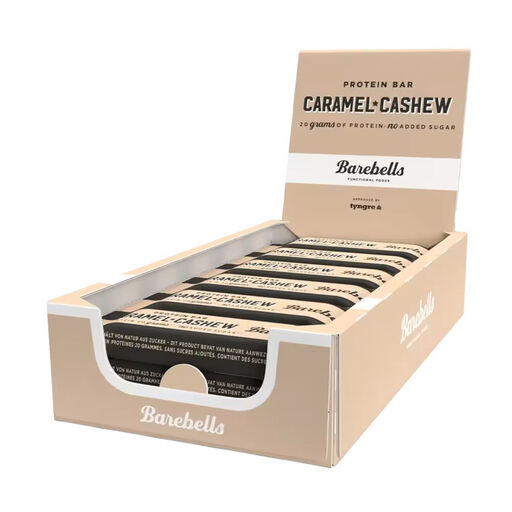
Why this fits the profile: A multi-pack with fixed portions suits athletes who use several bars a week and keep an eye on sugar and protein.
The nutritional values per bar make comparison easy: 20 g protein, 200 kcal, 1.5 g sugar and 5 g polyols according to the product information.
12 bars of 55 g; 3.1 g fibre per bar; cashew and peanut flavour. Contains milk, cashew nuts and peanuts.
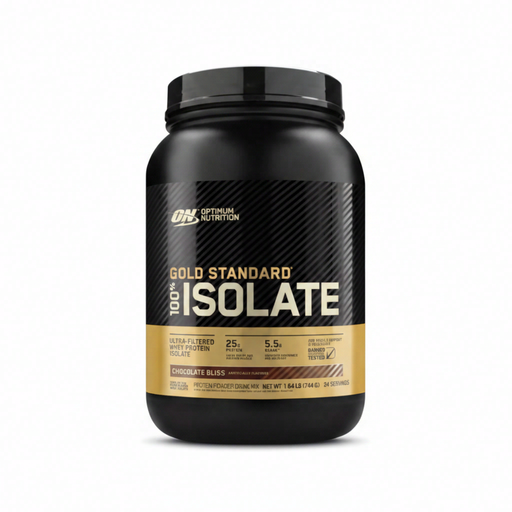
Why this fits the profile: This whey protein isolate powder is practical for anyone who regularly makes shakes and wants a larger pack with fixed portions.
The packaging states 31 portions, approximately 25 g protein per portion and less than 0.5 g sugar per portion. This allows you to calculate the cost per shake.
930 g and 31 portions; according to the product information, less than 1 g carbohydrates and less than 0.5 g sugar per portion. Contains milk and soya.
We have put together a full, up-to-date list of products that fully meet these strict selection criteria and comply with current European safety regulations.
That depends on your overall diet and preference. A protein bar is ready to use straight away. A shake with whey protein or a bottle of protein drink is handy when you are short on time. Compare the protein content, calories and any sweeteners per portion.
Usually not. Protein bars are intended as a practical snack or supplement. They often provide protein, but not automatically the same variety of nutrients as a full meal. Use them as part of a varied and balanced diet.
This varies per pack and portion size. Calculate the price per 20 or 25 g of protein and also factor in the milk or drink you need. A large pack of whey protein can work out cheaper per shake, whereas protein bars mainly cost more for convenience, taste and portability.
