
Vandaag of morgen in huis

Kwaliteit gegarandeerd

Welkomstaanbiedingen ontgrendelen: GRATIS bezorging | Tot 80% korting | Gratis 30 dagen JoyPlus-proefperiode
Download de app
A protein bar in your gym bag, whey protein after your workout or a protein drink for on the go: protein snacks are a handy option for active adults. However, what’s written on the front of the packet doesn’t always tell the full story. A product labelled “high protein”, “zero sugar” or “sport nutrition” can still be high in calories, sweeteners or allergens.
This buying guide helps you compare protein bars, protein powder, protein water and other high-protein snacks on points you can actually check. That way, you can choose something that suits your diet, training schedule and budget.
“No added sugars” doesn’t automatically mean a product contains no sugar. A muesli bar or granola can contain naturally occurring sugars. Always check the of which sugars line on the nutrition information panel.
Even “sugar-free snacks” can be relatively high in carbohydrates or polyols. For example, Hero B’Tween Zero is low in sugar, but according to the product information it contains 42 grams of polyols per 100 grams. A high intake of polyols can have a laxative effect on some people.
A protein bar with a big number on the front isn’t necessarily a good match. Look at the amount of protein per bar or serving, not just per 100 grams. A 50-gram bar with 25 grams of protein is very different from a muesli bar with 7 grams of protein per 100 grams.
Also pay attention to the overall size. A large bar can contain 200 to nearly 300 kcal. That matters when you’re looking for a snack between meals rather than a full meal replacement.
Many protein snacks contain milk, soya, peanuts, nuts, gluten or collagen. Whey protein is derived from milk. A product may also be produced in an environment where other allergens are handled.
If you have allergies or intolerances, always check the current packaging. Product compositions can change. Claims such as “fast-absorbing”, “supports recovery” or “ideal after exercise” come from the brand’s product communication; don’t treat them as personal health advice.
For a practical comparison:
The permitted EU claim that protein contributes to the growth and maintenance of muscle mass only applies when the legal conditions for the claim are met. It does not replace a varied diet.
Alongside protein, always compare:
According to the product information, Barebells Caramel & Cashew contains 20 grams of protein and 1.5 grams of sugar per 55-gram bar. The bar also contains polyols. That makes it interesting if you’re watching your sugar intake, but less suitable if you’re sensitive to sweeteners.
Optimum Nutrition Protein Water contains 16 grams of protein, 0 grams of sugar and 64 kcal per 350 ml bottle, according to the stated nutritional information. The drink does contain 0.86 grams of salt per bottle.
For commuting or training away from home, individually wrapped bars and ready-to-drink drinks are practical. Whey protein is more cost-effective per serving if you use it regularly, but it requires a shaker, water or milk.
For drinks, pay attention to the storage instructions. According to the product information, opened Protein Water must be kept refrigerated and used within 24 hours. Store bars and powder in a cool, dry place away from direct sunlight. Always check the best-before date on the packaging.
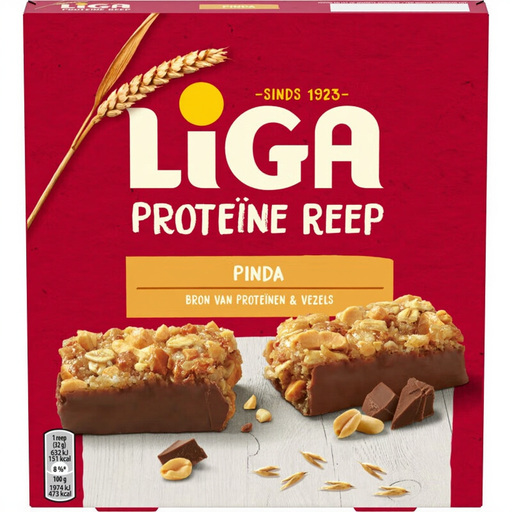
Why this fits: An easy entry-level choice if you occasionally want to take a high-protein snack to work, college or on a walk.
The nutritional information states 15 grams of protein per 100 grams. This allows you to compare the bar more realistically with standard muesli bars.
A source of protein and fibre according to the product description; contains peanut, milk, soya, wheat and other gluten-containing cereals.
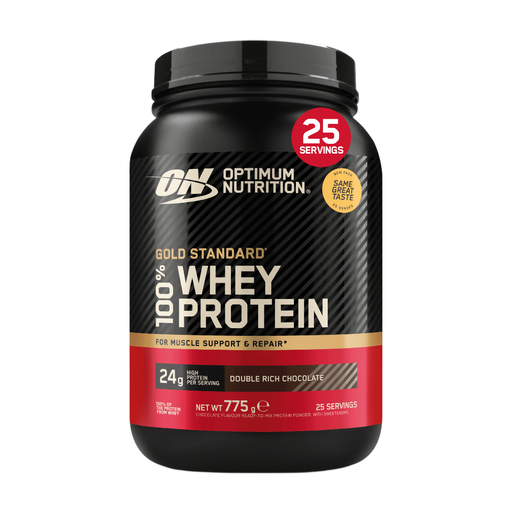
Why this fits: Suitable for regular exercisers who want to prepare a shake at home and need multiple servings.
The serving size is clear: approximately 24 grams of protein and 116 kcal per serving of around 31 grams.
Contains whey isolate, whey concentrate and hydrolysed whey peptides; contains milk and soya.
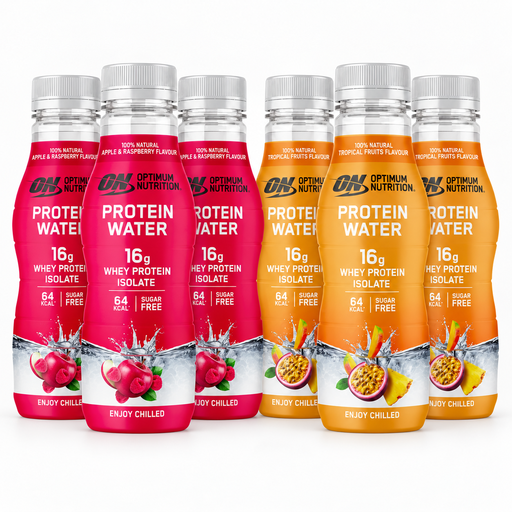
Why this fits: Handy for on the go, at the office or straight after exercise when you want a light, fruity protein drink.
The bundle states 16 grams of protein, 0 grams of sugar and 64 kcal per bottle. No need to measure out powder or clean a shaker.
Three bottles of Apple & Raspberry and three of Tropical Fruits; contains milk and must be kept refrigerated after opening.
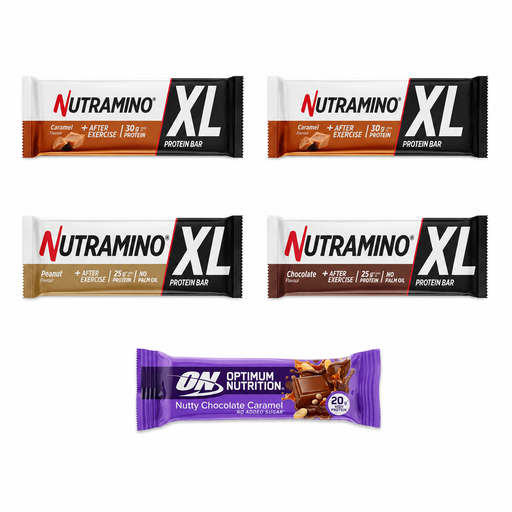
Why this fits: A protein bundle for anyone who wants to alternate between different flavours after workouts or as a high-protein snack.
You buy five individual bars in different flavours, so you don’t have to commit to a large stock of one flavour straight away.
The bundle contains four Nutramino bars of 74 grams and one Optimum Nutrition bar of 70 grams; check the allergens and nutritional values for each variant.
We’ve put together a current selection of products for different dietary preferences and occasions.
A protein bar is ready to eat and suitable for on the go. Protein powder is usually more practical if you regularly want to make a fixed serving at home and choose the amount of liquid yourself. Compare the price per serving, not just the price of the packet.
Not automatically. A low-sugar snack can be high in protein, but also contain polyols, fats or relatively many calories. Look at the full nutrition information panel and choose based on your overall diet. A snack is a supplement, not a replacement for a varied diet.
Store bars and whey protein according to the label in a cool, dry place, well sealed and away from direct sunlight. Ready-to-drink protein water should be kept in the fridge after opening and, according to the product information, consumed within 24 hours. Check the packaging for damage on receipt and read the current ingredients list before use.
