
Vandaag of morgen in huis

Kwaliteit gegarandeerd

Welkomstaanbiedingen ontgrendelen: GRATIS bezorging | Tot 80% korting | Gratis 30 dagen JoyPlus-proefperiode
Download de app
Whether you're fresh from the gym or looking for a smart snack at the office, the shelves are overflowing with protein snacks. The promises are big: enhanced muscle recovery, less hunger, and a healthy choice. But in reality, the experience is often different. Many products are just disguised sugar bombs or have a texture reminiscent of cardboard.
As a Joybuy Product Recommendation Officer, I'm here to help you see through the marketing jargon. We'll look at what truly matters, so you can make a choice that fits your goals and taste without wasting your money.
Before you make a purchase, it's wise to be aware of a few common deceptions.
To avoid the pitfalls above, there are a few specifications you should always check.
For effective post-workout muscle recovery, a snack with 15 to 20 grams of protein is a good guideline. Check the ingredient list for the source. Whey protein and casein protein are complete proteins often used in protein bars and shakes. Soy protein is a popular plant-based option. A product that relies heavily on gelatin or collagen may offer less support for muscle growth.
Ignore the front of the package and go straight to the nutritional information panel. Look for the "of which sugars" line. A good low-sugar snack should ideally contain less than 5 grams of sugar per serving. Do you see ingredients like maltitol, sorbitol, or xylitol high on the list? Be aware of their potential laxative effect with excessive consumption.
A shorter, more understandable ingredient list is often a good sign. Products with an endless list of artificial additives are usually far from being a healthy snack. Look for snacks that contain recognizable ingredients, such as nuts, seeds, or whole grains.
Not everyone has the same needs. That's why we've highlighted a few popular choices that fit different lifestyles.

Why This Fits Their Persona: Ideal for after a tough workout. This bar combines a high dose of protein with a flavour that many consider a real treat, making it easier to stick to your nutrition plan.
This bar tackles the "taste disappointment" with a multi-layered texture and real OREO pieces. With less than 2 grams of sugar per bar, it sidesteps the hidden sugar trap.
21 grams of protein per bar for muscle support. Very low sugar content (<2g) and a layered, crunchy texture.
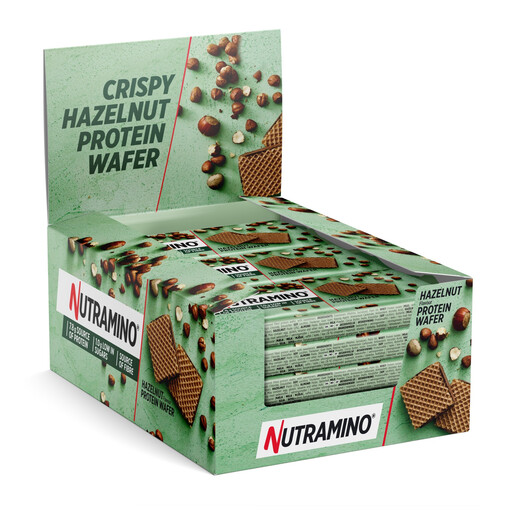
Why This Fits Their Persona: For those who find a dense protein bar to be too much. This light, crispy wafer is a perfect snack with coffee or to beat the afternoon slump, without leaving you feeling overly full.
With only 1 gram of sugar per serving and a modest calorie count (189 kcal), this is a transparent choice. The texture is that of a wafer, not a dense bar, which prevents the disappointment of a chewy snack.
Light and crispy texture, unlike most bars. Contains 20% protein and is very low in sugar.
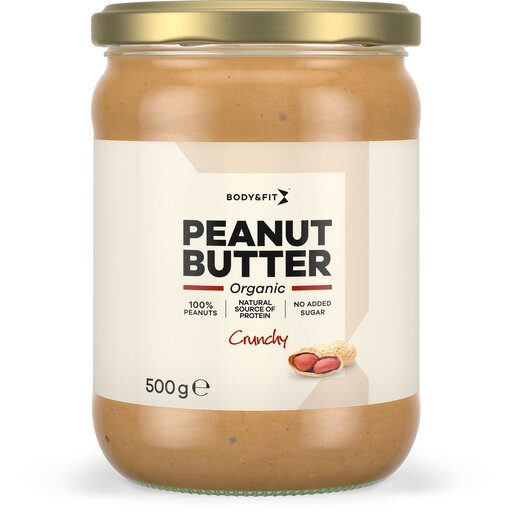
Why This Fits Their Persona: For those who prefer unprocessed and versatile products. This peanut butter is a natural source of protein and healthy fats, perfect on a rice cake, in a smoothie, or straight from the spoon.
This product bypasses all the traps through its simplicity. It contains only one ingredient: organic peanuts. No hidden sugars, no sweeteners, no unnecessary additives.
100% organic peanuts, with no additives. A natural source of protein and fibre. Versatile in use.
Sometimes a quick, drinkable snack is more practical. For those who prefer a protein shake, we have a selection of products that meet the same strict criteria.
The most popular time is within an hour after a workout to support muscle recovery. A protein shake or bar can help replenish protein levels. However, they are also suitable as a healthy snack to curb hunger between meals and prevent you from reaching for unhealthy options.
Generally, no. Protein bars are designed as a supplement and a convenient snack. They often lack the variety of fibre, vitamins, and minerals that a complete, balanced meal provides. View them as a supplement to your diet, not a replacement for a main meal.
No, but it is a common complaint. The culprits are often the sugar alcohols (polyols) like maltitol and sorbitol, which are used in large quantities in low-sugar snacks. If you are sensitive to these, check the ingredient list and choose products sweetened with stevia, for example, or those that are naturally low in sugar, like the peanut butter mentioned above.
