
Vandaag of morgen in huis

Kwaliteit gegarandeerd

Welkomstaanbiedingen ontgrendelen: GRATIS bezorging | Tot 80% korting | Gratis 30 dagen JoyPlus-proefperiode
Download de app
Choosing a protein snack seems simple at first glance: just pick a bar, drink or pouch with a lot of protein. However, two products with similar packaging can vary greatly in terms of protein per serving, sugar, calories, ingredients and convenience. If you only look for terms like “high protein” or “zero sugar”, you might end up paying for a product that doesn’t suit your specific needs.
For active adults, fitness enthusiasts and people with a busy lifestyle, these are the most relevant pitfalls:
For a practical comparison, first look at the amount of protein per individual serving. A protein bar with 18 to 25 grams of protein can be useful after a workout or on the go. A cereal bar with about 7 grams of protein is more of a regular snack than a targeted protein supplement.
For whey protein, the information is often listed per scoop or sachet. Optimum Nutrition Gold Standard states it has approximately 24 grams of protein per serving of around 30 to 31 grams. The sachets are handy if you don't want to carry a large tub to the office, the gym or when travelling.
A low sugar content doesn't automatically mean low calories. Fat, carbohydrates and sweeteners also count. A high-protein bar can still be relatively high in energy due to a chocolate coating, nuts or fillings.
Also, pay attention to what the claims mean:
A protein drink like Optimum Nutrition Protein Water Tropical Fruits contains 16 grams of protein, 64 kcal and 0 grams of sugar per 350 ml bottle, according to the product information. That makes it a light option for those who don't want a creamy shake. Do check the salt content and allergen information.
Whey protein is derived from milk. Many protein bars also contain soya, peanuts, gluten, nuts or collagen. According to its product description, Grenade Carb Killa contains milk and soya and may contain traces of gluten, peanuts and nuts. This makes the bar unsuitable for vegans and for anyone avoiding animal-based ingredients.
Always check the current packaging, especially if you have:
The composition, serving size and nutritional values can change. The packaging of the product you receive is therefore the definitive source of information.
For post-workout snacks, individually wrapped bars and sachets are practical. They don't need to be refrigerated and are ready to use immediately. A protein drink is especially convenient if you're on the go and don't have a shaker or milk to hand.
For daily use between meals, you can also consider fibre and size. The 160-gram Liga Protein Bar Cranberry is described as a source of protein and fibre. The nutritional information lists 14 grams of protein and 28 grams of sugar per 100 grams. This is a different choice from a sugar-free protein bar with a higher protein percentage.
If your main goal is to increase your number of servings, you might consider a protein snack bundle. A bundle with different flavours saves you from buying a large quantity of a single variety straight away. Just be sure to check the total contents, shelf life and storage conditions.
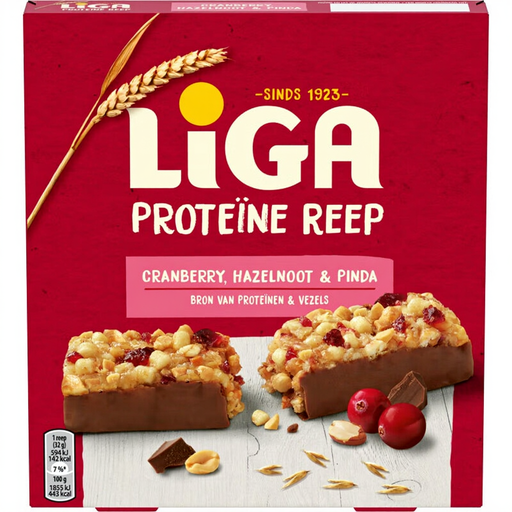
Why it fits this profile: A familiar cereal bar for those who want to ease into high-protein snacks and also value fibre.
The product information makes it clear that this is also a cereal and fibre bar. Therefore, check the sugar content per 100 grams before using it as a sports-focused bar.
Source of protein and fibre; crunchy texture and suitable for individual snacking.

Why it fits this profile: Aimed at shoppers who want to compare high protein and low sugar content in a compact bar.
The per-serving data is specific: 25 grams of protein, 179 kcal and 0.7 grams of sugar per bar, according to the product description. Always check the current packaging.
50% protein per 100 grams; 50 grams per bar; chocolate flavour.
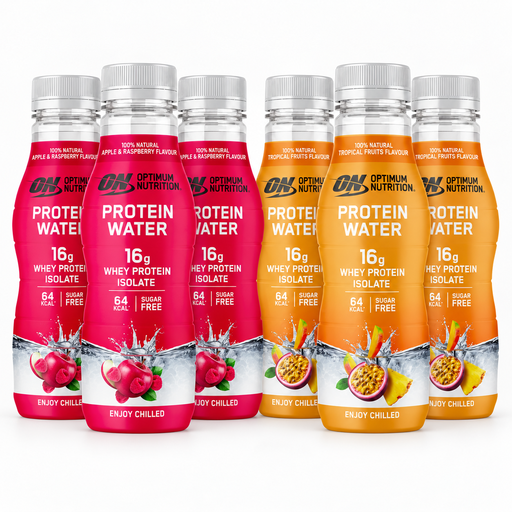
Why it fits this profile: Convenient for active users who want a cold, fruity protein drink after a workout, with no shaker required.
The bundle specifies the number of bottles, the volume per bottle and the two flavours. This lets you see exactly how many servings you're buying upfront.
16 grams of whey protein per bottle; 64 kcal and 0 grams of sugar according to the product information; ready to drink.
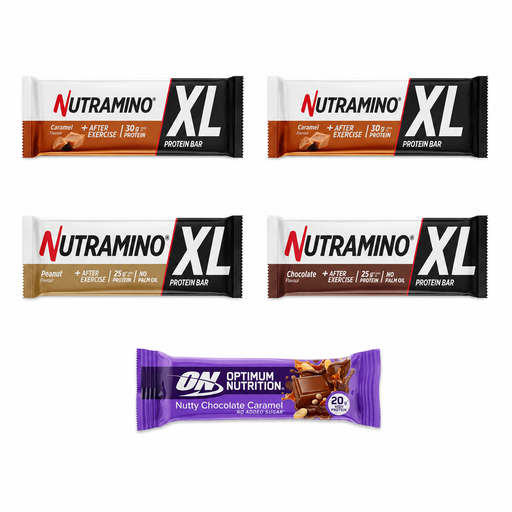
Why it fits this profile: A practical way to compare different protein bars and flavours before committing to a favourite.
The contents are specified upfront: five bars with multiple flavours and brands. Compare the nutritional values for each type, as they are not all the same.
Five bars; multiple chocolate and caramel flavours; suitable for on the go or between meals.
We have compiled a complete, up-to-date list of products that fully meet these strict selection criteria and comply with current European safety regulations.
Look for a product that clearly states how much protein it provides per serving and that fits within your total energy intake. A protein bar is ready to eat. A protein drink or sachet of whey protein is convenient if you prefer to drink your protein or are on the go. The timing and composition of your overall daily diet are more important than the specific product you choose.
No. A bar can be low in sugar but still provide calories from fats, chocolate, nuts or other ingredients. Therefore, you should compare the energy, fat, carbohydrate and protein content per serving. Also, check whether the product contains sweeteners or polyols and follow the usage warning on the label.
Store bars and protein powder according to the instructions: usually in a cool, dry place out of direct sunlight. Seal an opened package tightly. Pay attention to the best-before date on the packaging. According to the product information, an opened protein drink should be kept refrigerated and consumed within 24 hours.
