
Vandaag of morgen in huis

Kwaliteit gegarandeerd

Welkomstaanbiedingen ontgrendelen: GRATIS bezorging | Tot 80% korting | Gratis 30 dagen JoyPlus-proefperiode
Download de app
Whether you're just starting your fitness journey or have been training for years, a quality protein shake can be a convenient supplement to your diet. Protein contributes to muscle mass growth and supports muscle recovery after a workout. However, the market is flooded with options, and it's easy to get lost in marketing promises. Before you decide on buying protein, it's wise to know what to look for. Many athletes end up paying for clever marketing instead of what truly matters.
Choosing a protein shake seems simple, but a few common pitfalls can cost you money and hinder your goals.
Some packaging boasts a high protein content, but this figure is often based on 100 grams of powder, not the recommended serving size. This makes a product appear more protein-rich than it actually is. Another practice is "amino spiking," where cheap amino acids are added to artificially inflate the nitrogen measurement—and thus the measured protein content. You end up paying for protein but getting fillers.
Especially ready-to-drink protein shakes and powders with exotic flavours can be loaded with sugar and unnecessary calories. A shake intended for muscle recovery can inadvertently spike your calorie intake, working against your fitness goals. A quick glance at the nutritional facts table is essential to avoid drinking what is essentially a glorified dessert.
To bypass these pitfalls, it's helpful to focus on a few objective specifications. These will determine if a product is right for your goals.
Not all proteins are created equal. The source determines how quickly your body absorbs it.
The choice between protein powder and a ready-to-drink shake depends on your lifestyle.
To help you get started, we've highlighted a few products that suit different needs, based on their specifications.
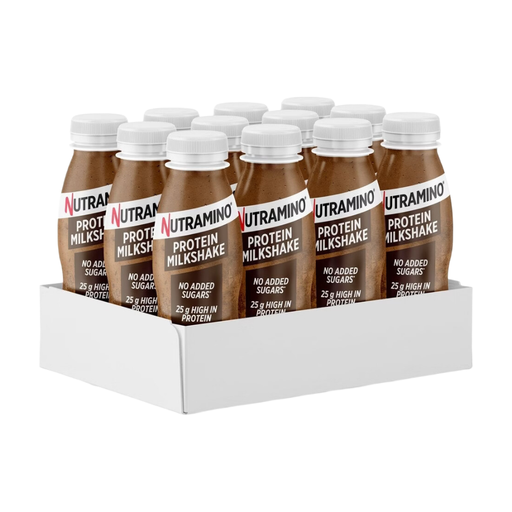
Why This Fits Their Persona: Ideal for those who need a dose of protein immediately after a workout or on the go, without any hassle. Just toss a bottle in your gym bag and you're set.
This product is transparent: 25 grams of protein per 330 ml bottle. No confusion about serving sizes. The ingredient list is focused on protein, not unnecessary sugars.
Maximum convenience as a ready-to-drink protein shake. The creamy texture is often described as pleasant, making it a tasty and quick option.
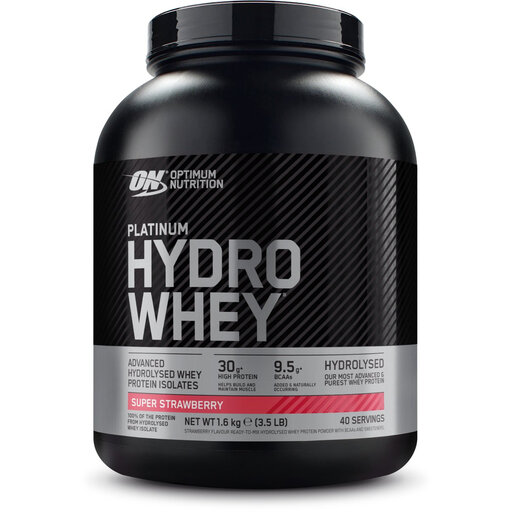
Why This Fits Their Persona: For the serious athlete looking for muscle growth supplements who wants to maximise their recovery. The focus is on the speed and purity of the protein.
This product is based on hydrolyzed whey isolate, a verifiable, high-quality specification. It's low in sugar and fat, so you pay for exactly what you need: fast-absorbing protein.
Delivers 30 grams of protein per serving. The hydrolyzed form means the proteins are broken down into smaller particles for faster absorption, which can accelerate post-workout recovery.
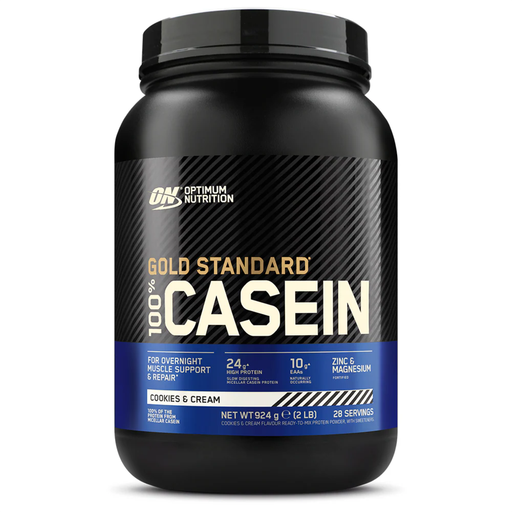
Why This Fits Their Persona: Suitable for athletes who want to optimise their protein intake, even during rest periods like overnight. The goal is to minimise muscle breakdown.
This product has a clear and specific purpose: slow protein release. It's not an 'all-in-one' product but a specialised casein protein. The nutritional values are clear, with low sugar and fat content.
Contains 100% micellar casein, which forms a gel in the stomach for a gradual release of amino acids. Ideal for consumption before sleep or between meals.
We have compiled a complete, up-to-date list of products that meet these selection criteria and comply with local regulations.
A protein shake is a supplement, not a replacement for a varied diet. For most athletes, one shake per day—for instance, after a workout—is sufficient to supplement their protein intake. Your total protein requirement depends on your weight, activity level, and goals. It's always best to get the majority of your protein from whole foods, such as chicken, fish, eggs, and legumes.
A protein shake can aid in weight loss. Protein promotes a longer feeling of satiety, which can help reduce overall calorie intake. A shake can serve as a low-calorie replacement for an unhealthy snack. However, pay close attention to the shake's sugar and fat content to avoid consuming unnecessary calories.
Bloating can be caused by the lactose in whey concentrate. If you experience this, consider switching to a whey isolate or hydrolysate, which contain significantly less lactose. According to the manufacturer Ghost Whey, for example, their products contain digestive enzymes like lactase, which can aid digestion and reduce bloating. Always start with a half serving to see how your body reacts.
