
Vandaag of morgen in huis

Kwaliteit gegarandeerd

Welkomstaanbiedingen ontgrendelen: GRATIS bezorging | Tot 80% korting | Gratis 30 dagen JoyPlus-proefperiode
Download de app
A tub of protein powder may seem easy to compare at first glance. But products can vary considerably in protein content, source, serving size, flavour, allergens and cost per serving. A large pack is not automatically better value, and a bold claim on the front tells you little about how much protein you get per serving.
For adults who go to the gym, run, do strength training or want to supplement their daily protein intake, there are three pitfalls to watch out for:
The most important comparison is the protein content. A 30-gram serving with 24 grams of protein has a different ratio from a 33-gram serving with 21 grams of protein. So check both figures:
According to the product information, Optimum Nutrition Gold Standard Whey provides around 24 grams of protein per serving of approximately 30 to 32 grams. Applied Nutrition Critical Whey lists 21 grams per 30-gram serving. These figures are product specifications, not a guarantee of any particular training result.
Whey protein is made from milk proteins. A blend may contain whey isolate, whey concentrate and hydrolysed whey. According to the product description, an isolate product consists mainly of whey isolate and often has less carbohydrate and fat per serving.
Plant-based protein is an alternative for vegans and vegetarians. A combination of pea and rice protein is often used to combine different amino acids. Note the difference between “vegetarian” and “vegan”: a product containing milk ingredients is not vegan.
Other powders serve a different purpose:
A large pack may seem better value, but work out the number of servings first. A product with 20 servings may work out more expensive per shake than a smaller tub with more servings.
Also check:
Product information may change. Always check the label, ingredients list and warnings on the packaging before use.
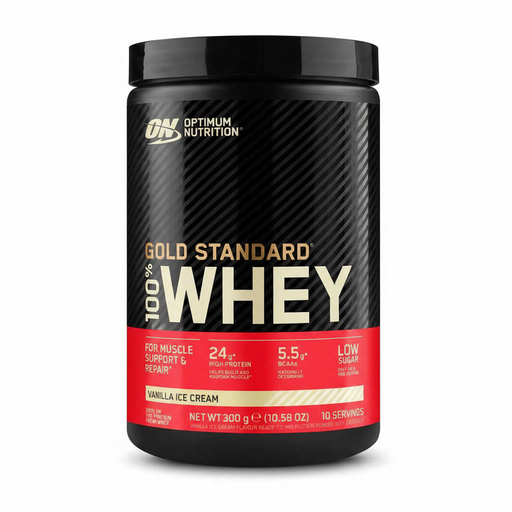
Why it suits this profile: The smaller pack is a practical way to try a flavour and formula without buying a large quantity straight away. The product information lists around 24 g of whey protein per serving.
The serving size and nutritional values are clearly listed. This lets you compare the protein content instead of looking only at the size of the tub.
Whey blend with isolate, concentrate and hydrolysed whey; around 24 g of protein per serving; designed to be mixed with water or milk.

Why it suits this profile: This option is aimed at those who focus on the protein source and nutritional values. According to the product information, a serving contains 25 g of protein, less than 1 g of carbohydrate and less than 0.5 g of fat.
According to the label, the product is made from whey protein isolate. So you don’t have to work out the composition of a blend with several protein sources yourself.
25 g of protein per serving; 31 servings in 930 g; vanilla flavour; contains milk and soya.
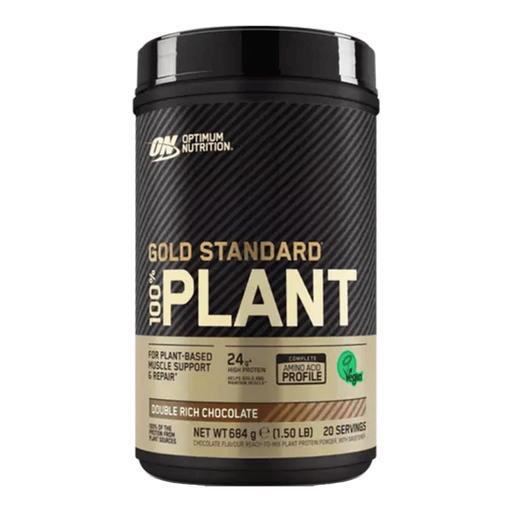
Why it suits this profile: The formula is based on pea and rice protein and, according to the product information, is suitable for vegans and vegetarians. It lists 24 g of plant-based protein per serving of around 36 g.
The product description names the plant-based protein sources and states that it is vegan. If you have allergies, check the warning that it may contain traces of milk, soya, gluten, egg and nuts.
Pea and rice protein; 24 g of protein per serving; 20 servings; chocolate flavour.
We’ve put together a complete, up-to-date list of products that meet these strict selection criteria and the applicable European safety regulations.
You can have a protein shake after exercise, between meals or at another time of day when you want to add extra protein. The timing matters less than your total daily intake and your usual varied diet. Always follow the dosage instructions on the label.
Check the best-before date and store the powder in a cool, dry place with the packaging tightly closed. Use a dry scoop and keep moisture out of the pack. If the smell, colour or texture changes noticeably, don’t use the product and check the instructions on the packaging.
No. Whey protein contains milk and often soya as an emulsifier. If you have a milk allergy or intolerance, dietary restrictions, are pregnant, take medication or have a medical condition, it’s best to consult a doctor or dietitian first. Vegan protein powder may be an alternative, but check its ingredients and allergens too.
