
Vandaag of morgen in huis

Kwaliteit gegarandeerd

Welkomstaanbiedingen ontgrendelen: GRATIS bezorging | Tot 80% korting | Gratis 30 dagen JoyPlus-proefperiode
Download de app
Choosing a tub of protein powder may seem straightforward at first glance. However, products can differ significantly in their protein source, serving size, sugar content, allergens and ease of use. Attractive packaging or claims such as “fast absorption” do not always tell you what you actually get per serving.
For Dutch athletes, these are the three main pitfalls to watch out for:
Whey protein comes from milk and is often used as a post-workout protein shake or as a supplement to your daily protein intake. A blend may contain whey concentrate, whey isolate and hydrolysed whey. Also check whether the product contains soya, milk or other allergens.
Whey isolate is a specific form of whey protein. According to the product information, products containing only whey protein isolate often have relatively low levels of carbohydrates and fats. This can be useful when you mainly want to add protein without many extra calories.
A vegan protein powder may use pea, rice or other plant-based sources. Do not just look for the word “vegan”; also check the amount of protein per serving and any potential cross-contamination. For example, Optimum Nutrition Clear Protein states that it is made in a facility that also processes milk, gluten, eggs, soya, tree nuts and peanuts.
Collagen powder is a different category altogether. Bovine collagen, marine collagen and collagen with vitamin C are not automatically equivalent to a complete protein powder for muscle-related purposes. According to the product description, Vital Proteins Collagen Peptides Natural contains 20 grams of bovine collagen peptides and 18 grams of protein per serving. Marine collagen uses fish as its source, so you should pay particular attention to the fish allergen.
Always compare the same reference point: for example, both per serving and per 100 grams. A serving of whey may provide around 21 to 25 grams of protein, while a collagen product may use a different serving size. Also look out for:
A product labelled “zero sugar” may still contain sweeteners. Therefore, check the ingredients list. “BCAA protein powder” is not a separate quality standard either: look at the actual amount of protein and the stated amino acid values.
A protein powder for muscle growth should primarily fit into your overall diet and training plan. In practical terms, timing is less important than consistently consuming enough protein each day. However, many users choose protein powder after training because a shake is quick to prepare.
Check the preparation instructions. A product may be mixed with 150 to 400 ml of liquid, while a plant-based clear shake may require 600 ml of water and need to stand for a while to allow the foam to settle. Also consider the packaging:
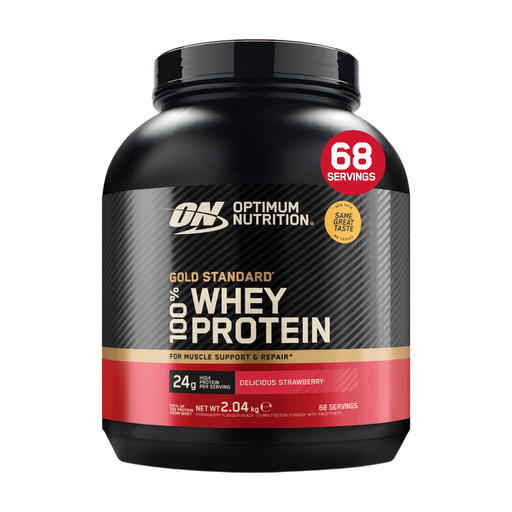
Why it suits this profile: The large pack is designed for regular use. According to the product information, one serving provides around 24 grams of protein and approximately 111 kcal.
The nutritional values and serving size are clearly stated, so you do not have to base your decision solely on the total contents of the bag.
Whey blend with isolate, concentrate and hydrolysed whey; approximately 24 grams of protein per serving.

Why it suits this profile: Those specifically looking for a whey isolate receive, according to the product specifications, 25 grams of protein per 31-gram serving.
The protein source is specifically identified as whey protein isolate. Carbohydrates, sugar and fat are also listed separately per serving.
31 servings per pack; the product information states 25 grams of protein, less than 1 gram of carbohydrates and less than 0.5 grams of fat per serving.
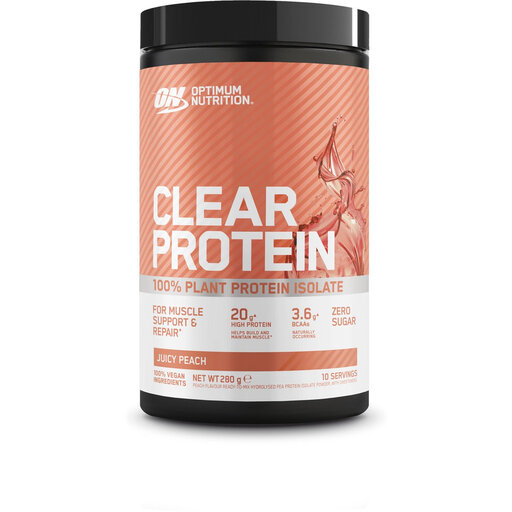
Why it suits this profile: According to the product description, the plant-based isolate is vegan and contains 20 grams of protein per 28-gram serving.
The product information explicitly states its plant-based origin, vegan suitability and zero sugar. However, always check the current packaging.
20 grams of protein and 3.6 grams of naturally occurring BCAAs per serving; 10 servings are listed per pack.
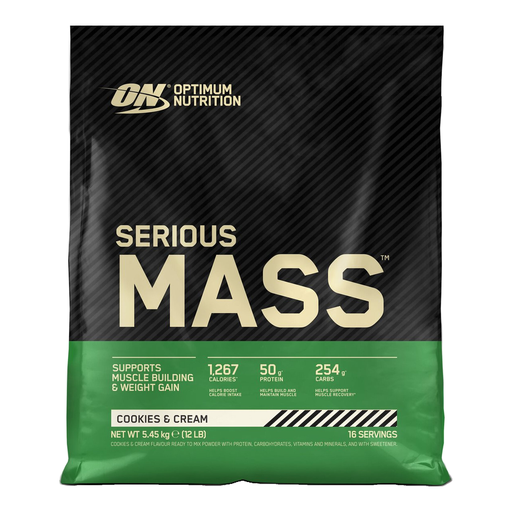
Why it suits this profile: This mass gainer is intended for adults who deliberately want to add extra calories and carbohydrates to their diet.
The very large serving size makes it clear that this is not an ordinary protein shake. Each recommended serving is listed as providing approximately 50 grams of protein and 250 grams of carbohydrates.
A large 5.45 kg supply and a formula containing protein, carbohydrates, creatine, glutamine, vitamins and minerals, according to the product information.
Choose collagen powder when you are specifically looking for collagen peptides, such as a neutral variety for coffee, yoghurt or a smoothie. According to the product details, Vital Proteins Marine Collagen contains 12 grams of collagen per serving and comes from white fish. This makes it unsuitable for people with a fish allergy.
If you mainly want extra protein around strength training, you will usually choose whey protein, whey isolate, vegan protein powder or beef protein. Beef protein may be of interest to people avoiding dairy, but check that the amino acid profile and serving size match your goal. Always treat claims about skin, hair, joints or hormonal balance as brand descriptions; they are not guaranteed personal results.
We have put together a complete, up-to-date list of products that fully meet these strict selection criteria and the applicable European safety regulations.
You can use a protein shake after exercising as a convenient addition to your daily diet. The product labels of several whey products recommend using them after training or between meals. Always follow the recommended serving size and do not treat the supplement as a replacement for a varied diet.
Check the best-before date and batch number on the packaging. As a general rule, store the powder in a cool, dry, dark place and keep it tightly sealed. Moisture can affect its texture and how easily it mixes. Do not use the product if its smell, colour or texture is noticeably different.
Usually not. In addition to protein, a mass gainer often contains large amounts of carbohydrates and calories. Therefore, check the serving size: according to the product information, a full serving of Serious Mass is approximately 334 grams. If you only want extra protein, whey protein, whey isolate or vegan protein powder is generally easier to portion.
