
Vandaag of morgen in huis

Kwaliteit gegarandeerd

Welkomstaanbiedingen ontgrendelen: GRATIS bezorging | Tot 80% korting | Gratis 30 dagen JoyPlus-proefperiode
Download de app
Protein powder can be a useful supplement when you are not getting enough protein from your regular meals. However, choosing the right product involves more than selecting a flavour and a large tub. A cheaper tub may contain relatively few servings, while a product with a strikingly high protein percentage will not automatically suit your diet or training routine.
This guide helps you compare protein powder, protein powder products and protein shakes using verifiable information.
A high percentage does not tell you everything. Also check the amount of protein per serving, the serving size and the number of shakes per pack. A product may contain a lot of protein per 100 grams but recommend a small serving. Always compare like for like.
Also pay attention to carbohydrates, fat, sugar and salt. With a weight gainer, a high carbohydrate and calorie content may be the whole point, whereas you may want to limit these when choosing a whey isolate.
Whey protein is a general term for protein from milk. A whey blend may contain whey concentrate, whey isolate and hydrolysed whey. Whey isolate is a more specific form and, according to the product information, often contains less fat and carbohydrates.
That does not automatically mean every isolate is the right choice for everyone. Check allergens, sweeteners, flavour, price per serving and how much protein you actually need.
“Plant-based”, “vegan” or “dairy-free” claims should always be checked against the ingredients list. A product may contain plant-based protein sources but, according to the label, be produced in an environment where milk, soya, gluten, nuts or peanuts are processed.
If in doubt, check the current packaging. Product formulas, allergen information and recommended serving sizes can change.
The most common options are:
According to Optimum Nutrition’s product information, Gold Standard Plant Protein contains a combination of pea and rice protein. Lucovitaal Protein Soy Powder Pure consists of soya protein isolate according to the label. Applied Nutrition Beef-XP uses beef protein isolate as its protein source.
Do not compare only the weight of the bag or tub. Work out the price per serving:
pack price ÷ number of recommended servings
Examples from the range:
Serving sizes therefore vary from product to product. Use the nutrition table on the label as your reference point, rather than relying solely on the wording on the front.
Check whether the powder suits your needs. Whey, casein and milk protein contain milk. Many whey products also contain soya as an emulsifier. Plant-based products may contain soya, gluten or traces of milk.
Also look out for additional ingredients. According to the product information, an Applied Nutrition Critical Whey caramel latte variant contains 100 mg of caffeine per serving. This is relevant if you train in the evening or want to limit your caffeine intake. A weight gainer may also contain creatine, vitamins and minerals. Do not use such a product as a standard protein shake without taking its total nutritional value into account.
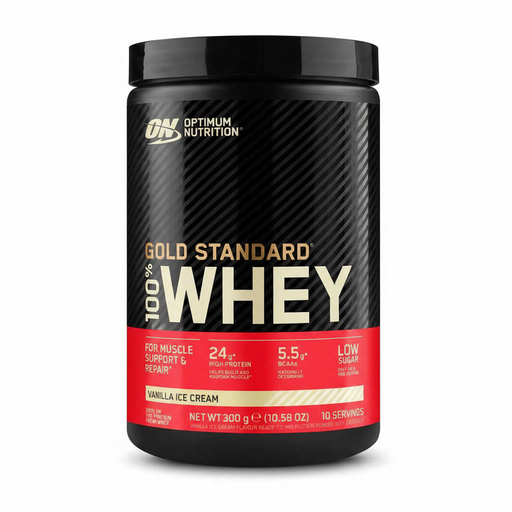
Why it suits this profile: With around 24 grams of protein per serving, this compact pack is ideal for trying a flavour and whey blend before committing to a larger supply.
The nutritional information states 24 grams of protein per serving, making it easier to compare than relying solely on the name “Gold Standard”.
Whey blend containing isolate, concentrate and hydrolysed whey; around 119 kcal per serving according to the product information.
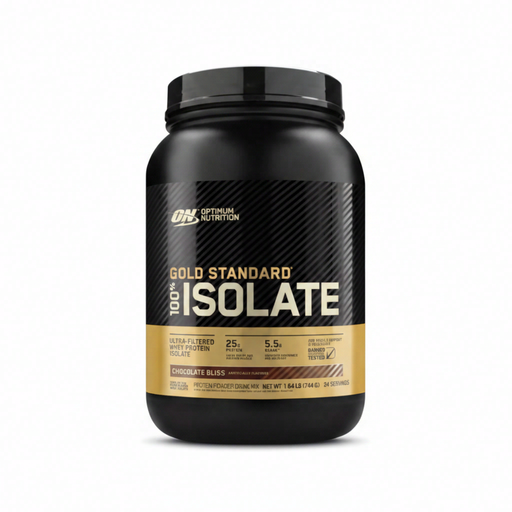
Why it suits this profile: Suitable for athletes looking for a whey isolate with a clear nutritional profile and a larger supply.
The specifications state 25 grams of protein, less than 1 gram of carbohydrates and less than 0.5 grams of fat per 31-gram serving.
930 grams of product, 31 servings and whey protein isolate listed as the protein source.
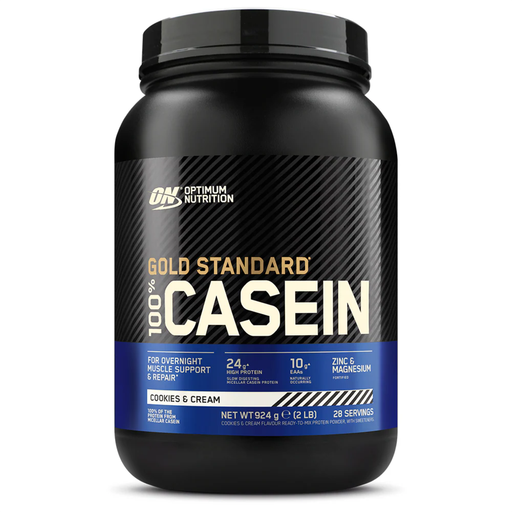
Why it suits this profile: Casein protein is suitable for people who want to plan a shake for a longer period without a meal, such as before bed.
The product information explicitly mentions micellar casein and a suitable time to use it when there are longer intervals between protein intake.
24 grams of protein, 5 grams of BCAAs and 28 servings per pack according to the product details.
For vegans and vegetarians, vegan protein powder and plant-based blends are logical choices. According to the product information, Optimum Nutrition Clear Protein Plant Isolate provides 20 grams of protein per serving, contains no sugar according to the stated formula and is labelled as vegan. The flavour is peach, and one serving is mixed with 600 ml of cold water.
A more neutral option is Lucovitaal Protein Soy Powder Pure. This soya protein powder provides 23 grams of protein per 25-gram serving and, according to the ingredients list, contains only soya protein isolate. This makes it suitable for shakes, smoothies or baking recipes, but it is not suitable for people with a soya allergy.
If you want to avoid milk and soya, beef protein may be worth considering. Applied Nutrition Beef-XP states that it provides 27.2 grams of protein per 30-gram serving, with little fat and sugar. Here too, always check the current label and preparation instructions.
We have put together a complete, up-to-date list of products that fully meet these strict selection criteria and the applicable European safety regulations.
A protein shake can be used after exercise, at breakfast or between meals. The exact timing is less important than your total protein intake throughout the day. Always follow the serving recommendation on the label.
Store the powder in a cool, dry, dark place and keep it tightly sealed. Check the best-before date, batch number and any storage advice on the packaging. Do not use the product if its smell, taste or texture has clearly changed.
A weight gainer combines protein with plenty of carbohydrates and calories. For example, Optimum Nutrition Serious Mass states that it contains 50 grams of protein and around 250 grams of carbohydrates per large serving. This may suit people who deliberately want to consume more calories, but it is less suitable if you are only looking for extra protein. Factor the calories into your daily diet.
