
Vandaag of morgen in huis

Kwaliteit gegarandeerd

Welkomstaanbiedingen ontgrendelen: GRATIS bezorging | Tot 80% korting | Gratis 30 dagen JoyPlus-proefperiode
Download de app
A tub of protein powder may seem easy to compare: choose a flavour, check the number of grams of protein and add the product to your basket. Yet many sports enthusiasts pay for features that make little difference in everyday use. Hidden sugars, allergens or an unclear serving size can also come as a surprise.
As a Joybuy Product Recommendation Officer, I therefore focus mainly on verifiable information: protein content per serving, protein source, nutritional values, ingredients, allergens and the number of servings. This makes it easier to compare whey protein, whey isolate, clear whey and beef protein in a practical way.
A brand may present a product as a highly concentrated source of protein, while the nutritional information per serving is less clear. Always compare:
For example, a 25-gram serving containing 22.5 grams of protein provides 90% protein based on the total powder weight. With a 30-gram serving, 20 grams of protein may still be suitable, but you are getting relatively more flavourings, sweeteners or other ingredients.
Protein powder with little sugar is often sweetened with sucralose, acesulfame-K or other sweeteners. This is not automatically a problem, but it is information to consider if you want to keep the ingredients list to a minimum.
Also pay attention to the difference between 0 grams of sugar and no added sugar. Check the full nutritional table rather than just the front of the packaging.
Whey protein and whey isolate come from milk. Some formulas also contain soya as an emulsifier. Clear whey often has a lighter, squash-like consistency, but it also contains whey protein and is therefore not automatically dairy-free.
Beef protein may be an interesting option for adults who want to avoid whey or soya. If you have allergies or intolerances, always check the current label. Product formulas and warnings may vary by flavour or batch.
Whey concentrate generally contains some fat and carbohydrates as well as protein. Whey isolate is filtered further and often provides more protein per 100 grams, with less fat and sugar. Exact values vary from product to product.
Clear whey is usually based on whey protein isolate and is mixed with more water. The drink is lighter than a creamy protein shake. Bear in mind that it may foam after shaking and need a short settling time before drinking.
Beef protein uses beef protein isolate as its source. According to the product description for Applied Nutrition Beef-XP, this formula is dairy-free and gluten-free. Still, always check the packaging if you have an allergy or intolerance.
For a protein shake after exercise, 20 to 25 grams of protein per serving can be practical. Also look at:
For example, Ghost Clear Whey Strawberry Watermelon lists 25 grams of protein and approximately 100 kcal per 32-gram serving, with 0 grams of sugar and no added sugars according to the product information. Optimum Nutrition Gold Standard Isolate also lists 25 grams of protein per serving, with less than 0.5 grams of sugar and fat per serving.
A larger pack is not automatically better value. Divide the purchase price by the actual number of servings, then compare the price per 20 or 25 grams of protein. Also check the preparation instructions. Some products require 150 to 200 ml of water, while clear whey is often mixed with approximately 475 ml.
Flavour also affects the cost of use: a product you do not enjoy drinking is more likely to remain unused in the cupboard.
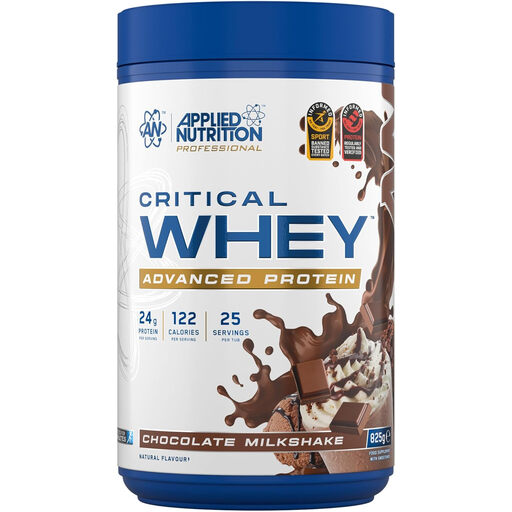
Why it suits this profile: A practical whey blend for anyone starting out with a familiar chocolate flavour and a medium-sized pack.
The product information lists approximately 23.6 grams of protein per 33-gram serving. This allows you to compare the ratio directly with other protein powders.
Whey concentrate, isolate and hydrolysate in one blend; approximately 122 kcal and 23.6 grams of protein per serving according to the listed values.

Why it suits this profile: Suitable for sports enthusiasts who value high protein density and a large pack size.
The product details specify a fixed serving of approximately 31 grams, 25 grams of protein and 31 servings. This makes it easy to calculate the cost per shake.
Whey isolate as the main ingredient; less than 1 gram of carbohydrates and less than 0.5 grams of sugar and fat per serving according to the product information.
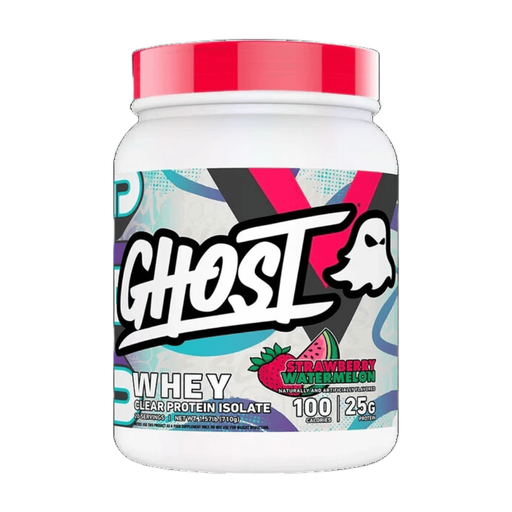
Why it suits this profile: An option for sports enthusiasts who do not want a creamy shake but prefer a light protein drink around their training.
The product description lists 25 grams of protein, 100 kcal and 0 grams of sugar per serving. The preparation instructions also specify the required 475 ml of water and a settling time to reduce foam.
Whey isolate base, light consistency, approximately 20 servings and, according to the product information, free from gluten and soya; it does contain milk.
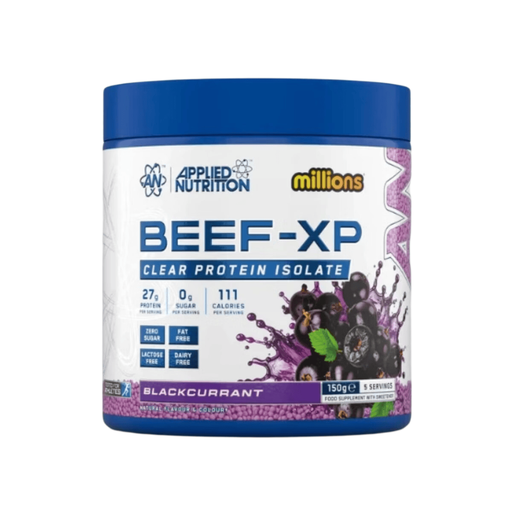
Why it suits this profile: Designed for adults who do not want to use whey or soya and are looking for an alternative made from beef protein.
The source is clearly listed as beef protein isolate. This makes the difference from whey protein immediately apparent, rather than relying solely on the flavour or packaging.
27.2 grams of protein per 30-gram serving and 89.6 grams per 100 grams according to the product details; the ingredients list contains no milk or soya.
We have put together a complete, up-to-date list of products that fully meet these strict selection criteria and the applicable European safety regulations.
You can have a protein shake after exercise to supplement your daily protein intake. The exact timing is less important than your overall diet throughout the day. Follow the serving instructions on the label and do not use protein powder as a replacement for a varied diet.
Check the best-before date and store the powder in a cool, dry place with the container properly sealed. Moisture can cause clumping and make the powder more difficult to mix. Do not use a pack if the seal is damaged. Always check the current ingredients and allergen information before consumption.
Whey isolate and clear whey are often low in sugar, but values vary by flavour. Ghost Clear Whey lists 0 grams of sugar per serving, while Optimum Nutrition Gold Standard Isolate lists less than 0.5 grams. Always compare the label, as sweeteners may still be present.
