
Vandaag of morgen in huis

Kwaliteit gegarandeerd

Welkomstaanbiedingen ontgrendelen: GRATIS bezorging | Tot 80% korting | Gratis 30 dagen JoyPlus-proefperiode
Download de app
Protein powder can be useful when it is not easy to get the amount of protein you want from regular meals. However, comparing products involves more than simply looking at eye-catching packaging or a high protein percentage. A protein shake can vary significantly per serving in terms of protein, calories, sweeteners and allergens.
The main pitfalls are usually:
Start by checking the nutrition table. A typical serving is approximately between 25 and 35 grams. Therefore, compare:
A standard whey protein product may provide around 24 grams of protein per serving. The 300-gram Optimum Nutrition Gold Standard 100% Whey product lists a serving of approximately 30 to 32 grams, with around 24 grams of protein. This makes it suitable as a daily supplement, but always check the current product packaging.
Whey protein comes from milk and therefore contains milk proteins. Many whey products also contain soya, for example as an emulsifier. For those looking to consume little lactose, whey isolate may be worth considering because it generally contains low levels of fat and sugar. This does not automatically mean that every isolate product is suitable for someone with a milk allergy.
Those following a vegan or vegetarian diet can choose vegan protein powder or plant-based protein powder made from ingredients such as peas, rice or soya. Check:
The product information for Optimum Nutrition 100% Gold Standard Plant Protein Double Rich Chocolate states that it contains a blend of pea and rice protein, with 24 grams of plant-based protein per serving. The packaging also states that it may contain traces of milk, gluten, egg, soya, nuts and peanuts.
A cheap bag is not always good value if it contains only a small number of servings. Divide the price by the number of servings instead. Also pay attention to the recommended amount of water or milk. A protein shake made with milk contains more calories than the same shake made with water.
When you use it is less important than your overall diet. You can have protein powder after exercise, but also at breakfast, between meals or in a smoothie. Protein powder for muscle building does not replace training or a varied diet. Under the EU-authorised claim, protein contributes to the growth and maintenance of muscle mass as part of a balanced diet.

Why it suits this profile: The 300-gram pack is a manageable option for anyone who wants to try a flavour and whey formula without immediately buying a large bag.
The product information states around 24 grams of protein per serving and approximately 119 kcal. This allows you to compare the nutritional value with your own goal instead of relying solely on marketing terms.
Whey blend with isolate, concentrate and hydrolysed whey protein; instant powder for mixing with water or milk.

Why it suits this profile: This whey isolate is suitable for sportspersons who want to combine a relatively high amount of protein per shake with low levels of sugar and fat.
The nutritional information specifies 25 grams of protein, less than 1 gram of carbohydrates and less than 0.5 grams of fat per 31-gram serving. However, check the listed milk and soya allergens.
930 grams of product; around 31 servings; according to the product information, 100 kcal and 25 grams of protein per serving.
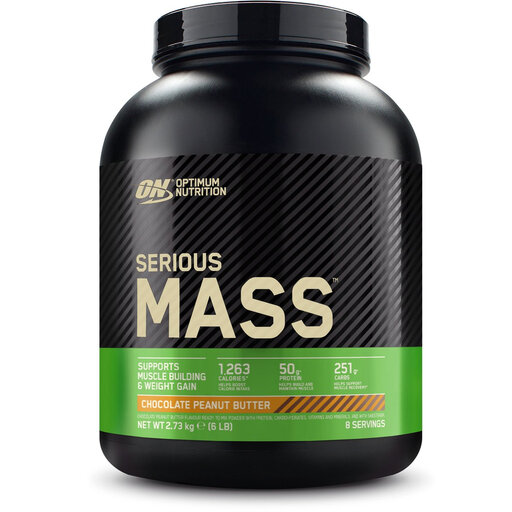
Why it suits this profile: A weight gainer is designed for adults who deliberately want to add extra calories and carbohydrates to their diet plan.
The high quantity is clearly specified: according to the product information, approximately 50 grams of protein, 250 grams of carbohydrates and around 1,269–1,292 kcal per serving. This makes it less suitable as a standard protein shake.
2.73 kg pack; around 10 servings; according to the product information, contains whey concentrate, calcium caseinate and egg albumin.
We have put together a complete, up-to-date list of products that fully meet these strict selection criteria and the applicable European safety regulations.
You can use protein powder after exercise as a convenient way to supplement your daily protein intake. It is not necessary to drink a shake immediately after your final exercise. Focus mainly on your overall diet and the serving size stated on the label.
Whey protein comes from milk and is therefore not automatically lactose-free. Whey isolate often contains less lactose than some whey concentrates, but the exact composition varies from product to product. If you have lactose intolerance or a milk allergy, check the packaging and consult a healthcare professional if necessary.
The shelf life is stated on the packaging. Store the powder according to the instructions, usually tightly sealed, in a cool, dry place away from direct sunlight. Do not use a product if its smell, colour or texture has clearly changed. Also check the ingredients and warnings with every purchase, as formulations and packaging may change.
