
Vandaag of morgen in huis

Kwaliteit gegarandeerd

Welkomstaanbiedingen ontgrendelen: GRATIS bezorging | Tot 80% korting | Gratis 30 dagen JoyPlus-proefperiode
Download de app
Buying a tub of protein powder seems simple, until you compare the nutritional values, serving sizes and ingredients. For example, a low price per pack tells you little if one serving is exceptionally large. Terms such as whey protein, “fast absorption” or “mass building” can also distract from what you actually need.
For sportspeople in the Netherlands, these are the three main pitfalls to watch out for:
Compare products on the same basis. A standard serving of whey is often around 25 to 32 grams. The Gold Standard 100% Whey variants in the range, for example, list approximately 24 to 25 grams of protein per serving. Applied Nutrition ISO-XP lists 22.5 grams of protein per 25-gram serving and 90 grams per 100 grams.
A higher protein percentage does not automatically mean that the product is better suited to you. Also check:
The authorised EU health claim is that protein contributes to the growth and maintenance of muscle mass. This does not mean that a shake builds muscle mass on its own. Training, diet, recovery and your total protein intake remain the deciding factors.
Whey protein is a dairy protein. A whey blend may consist of whey concentrate, whey isolate and hydrolysed whey proteins. Whey isolate often makes up a large proportion of a formula with relatively low levels of carbohydrates and fat, but check the full nutritional table rather than just the front of the packaging.
If you want to avoid milk, you can choose plant-based protein. Many vegan formulas combine pea and rice protein. Other products use soya isolate. The taste, texture and mixability may differ from whey. For a broader overview, you can also browse the range of vegetarian protein powder.
A bag containing several kilograms may seem good value, but check the number of servings first. Serious Mass contains 5.45 kg and, according to the product information, is divided into 16 servings. As a result, the recommended serving is much larger than that of ordinary whey.
Ask yourself:
A small pack or sachet reduces the risk of buying a large supply of a flavour you do not enjoy. A large pack can make sense if you already know how much you use and the nutritional values suit your goal.
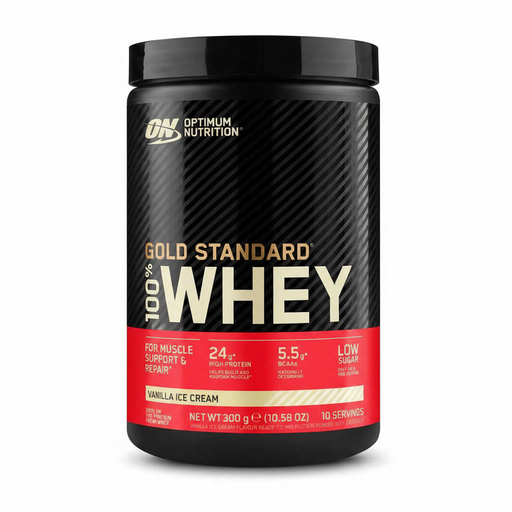
Why it suits this profile: The 300-gram pack is suitable for trying whey protein as part of your daily routine without immediately buying a large supply.
The small pack size prevents you from focusing solely on the price per kilo. The product information lists approximately 24 g of protein per serving of around 30 g.
Whey blend with whey isolate, concentrate and hydrolysed whey proteins; can be mixed with water or milk.
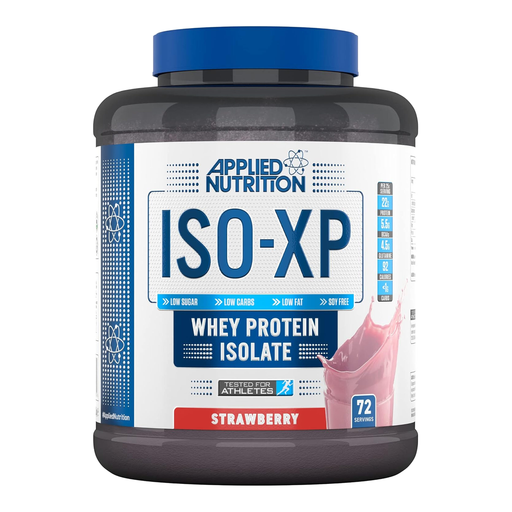
Why it suits this profile: This formula is aimed at adults looking for a concentrated whey isolate with limited amounts of carbohydrates, sugar and fat.
The supplied nutritional values distinguish between 95% whey isolate as an ingredient and 90 g of protein per 100 g of the finished product. This prevents confusion between the ingredient percentage and the protein percentage.
22.5 g of protein per 25 g serving; according to the product information, less than 1 g of fat, carbohydrates and sugar per serving.
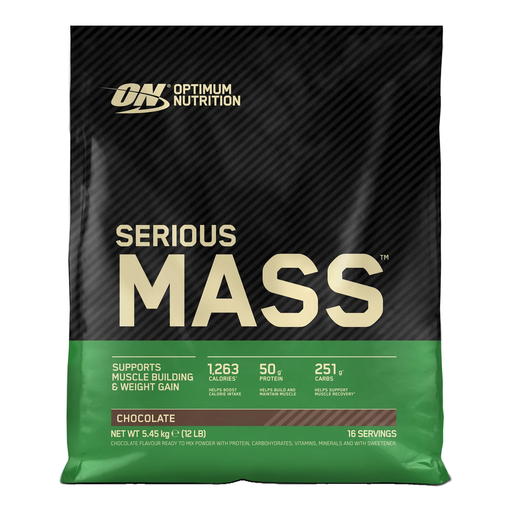
Why it suits this profile: A mass gainer is intended for adults who want to add plenty of extra calories and carbohydrates to their diet alongside protein.
The product information clearly states that there are 16 servings in 5.45 kg. This shows that one serving is much larger than with ordinary protein powder.
According to the product description, one serving contains 50 g of protein and approximately 250 g of carbohydrates. The formula also contains added vitamins, minerals and creatine.
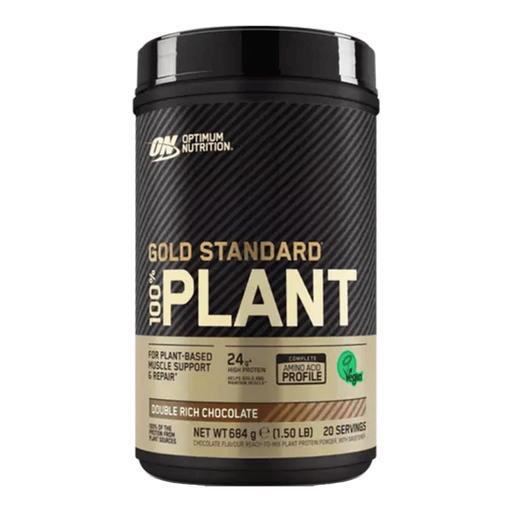
Why it suits this profile: This vegan protein powder combines pea and rice protein and, according to the product information, is intended for vegans, vegetarians and active adults.
The ingredients list names pea protein and rice protein rather than milk protein. However, always check the packaging for warnings about possible traces.
24 g of plant-based protein per serving of approximately 36 g; the product information lists a blend of pea and rice protein.
We have compiled a complete, up-to-date list of products that fully meet these strict selection criteria and the applicable European safety regulations.
Mix a standard protein shake according to the dosage on the label, often with water or milk. A plant-based shake can also be prepared with plant-based milk. Clear Protein is prepared differently: the product information states 28 grams of powder with 600 ml of cold water and recommends allowing the natural layer of foam to settle first.
Use a protein shake to supplement your diet, not as a replacement for a varied eating pattern. If you have allergies, watch out for milk, soya, egg, gluten, nuts and peanuts. If you take medication, are pregnant, breastfeeding or have a medical condition, it is advisable to consult a doctor or other qualified healthcare professional beforehand.
This depends on your overall diet plan. Many product labels recommend using it after exercise, in the morning or between meals. There is no universally required time; the total amount of protein you consume in a day is more important than any one specific moment.
Whey isolate is a dairy protein and is therefore not suitable for anyone with a milk allergy. The amount of lactose can vary from one product to another. Read the label carefully and, if in doubt, choose a plant-based alternative such as soya, pea or rice protein.
Store the product in a cool, dry place, sealed and away from sunlight and moisture. Check the best-before date, batch number and instructions on the packaging. Do not use powder that smells different, has clumped because of moisture or shows signs of spoilage.
