
Vandaag of morgen in huis

Kwaliteit gegarandeerd

Welkomstaanbiedingen ontgrendelen: GRATIS bezorging | Tot 80% korting | Gratis 30 dagen JoyPlus-proefperiode
Download de app
Buying a tub of protein powder seems simple, until you start comparing the labels. Protein content can vary per serving, a vegan product may contain traces of milk, and a large pack is not automatically better value. Flavour, mixability and the number of servings also determine whether you will actually keep using a product.
As a Joybuy Product Recommendation Officer, I therefore start with verifiable information: the type of protein, the amount per serving, allergens, serving size and practical use. Marketing terms only matter when they are supported by the product information.
Packaging might state that a product is “high in protein”, even though the serving size is relatively large. Always compare the grams of protein per serving and per 100 grams. Across the range, amounts vary from 20 grams in certain clear protein options to 24 or 25 grams in various whey and plant-based products.
A vegan protein powder contains no animal-derived ingredients according to the product information, but it may be made in a facility that also processes milk, soya, gluten, eggs, nuts or peanuts. If you have an allergy, always check the current packaging and allergen information.
A bag of more than two kilos may look appealing on a per-serving basis, but it is less practical if you do not enjoy the flavour. For a first purchase, a smaller pack or sachet may be the wiser choice. Also consider preparation: whey protein is often mixed with 180 to 240 ml of water or milk, while some clear protein products require 600 ml of cold water.
Whey protein comes from milk and is suitable for people who are happy to consume dairy. The Optimum Nutrition Gold Standard range uses a blend of whey isolate, whey concentrate and hydrolysed whey proteins. According to the product information, one serving provides around 24 grams of protein.
A plant-based protein powder may contain pea, rice or soya protein. Gold Standard Plant Protein combines pea and rice protein and states that it provides 24 grams of protein per serving. According to the ingredients list, Lucovitaal Pure Soy Protein uses only soya protein isolate and provides 23 grams per 25-gram serving.
For vegans and vegetarians, it is not enough to look for the words “plant-based”. Check whether the product is explicitly labelled as vegan, which sweeteners are used and whether possible cross-contamination with milk is mentioned.
A useful comparison might look like this:
A higher figure on the label does not automatically mean a significant difference in everyday use. Also look at sugar, fat, carbohydrates, salt and the total number of servings.
A protein shake should fit into your routine. Chocolate and vanilla are easy to combine with milk, oat milk or a smoothie. Strawberry and banana offer a sweeter option. According to the product description, clear protein has a lighter, less milky texture and is prepared with cold water.
Also consider:
Protein for muscle growth, muscle maintenance or recovery is not a substitute for a varied diet. Use it as a supplement when it is difficult to meet your daily protein requirements through ordinary meals. Always follow the dosage instructions on the label.

Why it suits this profile: The 300-gram pack is ideal for trying out a flavour and preparation method without immediately buying a large supply.
The serving size and nutritional values are clearly stated. You do not have to choose a large pack straight away.
According to the product information, one serving contains 24 grams of protein. The whey blend is designed to be mixed with water or milk.
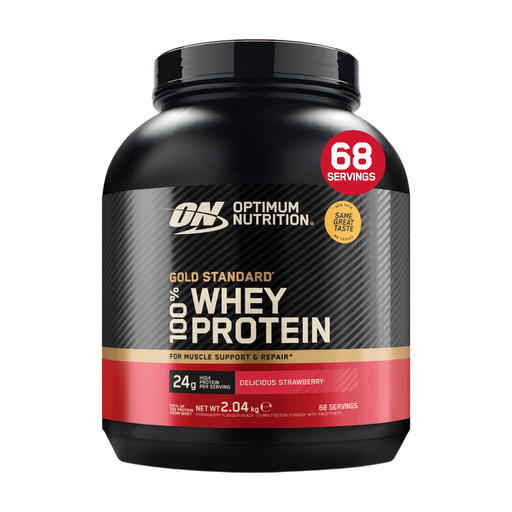
Why it suits this profile: The large pack is suitable for people who regularly use protein shakes and value a consistent flavour and formula.
The product information states that each serving contains 24 grams of protein, and lists the whey sources and allergens such as milk and soya.
Around 24 grams of protein per serving, a blend of whey isolate, concentrate and hydrolysed whey protein, plus approximately 20 servings according to the product listing.
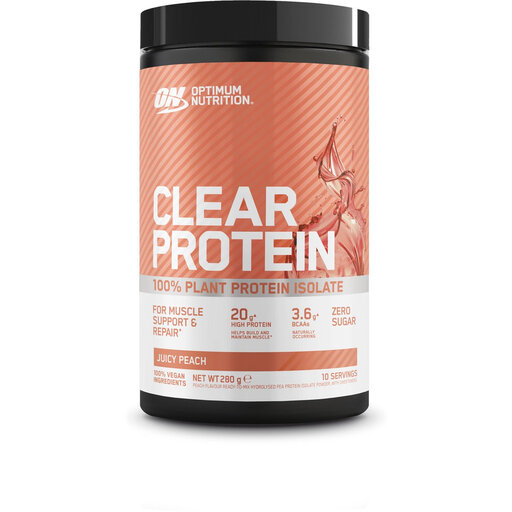
Why it suits this profile: This option is designed for anyone looking for a vegan protein powder with a lighter, non-milky drinking experience.
The preparation instructions clearly specify 28 grams of powder with 600 ml of cold water. This means you know in advance that it is not a classic thick shake.
According to the product information, one serving contains 20 grams of protein, 3.6 grams of naturally occurring BCAAs, no sugar and Vegan Society approval.
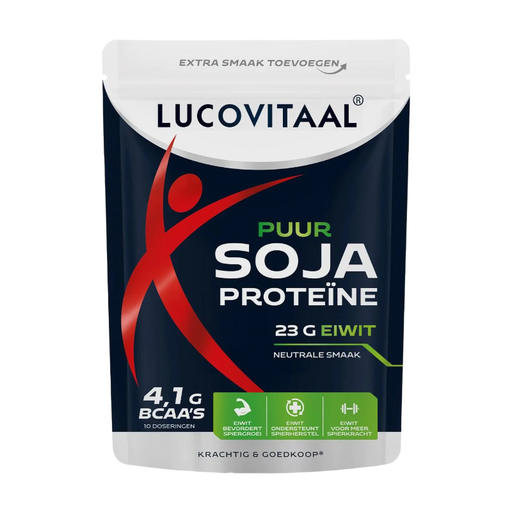
Why it suits this profile: The neutral flavour and lack of added colourings, flavourings and sugar make this powder versatile for shakes, smoothies and baking recipes.
According to the product information, the ingredients list consists of soya protein isolate. Always check the packaging if you need to avoid soya.
23 grams of protein per 25-gram serving, 0 grams of sugar per stated serving and a neutral flavour according to the product description.
We have put together a complete, up-to-date list of products that fully meet these strict selection criteria and the applicable European safety regulations.
Follow the serving and liquid instructions on the label. For many whey products, this means approximately one scoop with 180 to 240 ml of cold water or milk. Clear protein may require a larger amount of water. Add the liquid first, followed by the powder, and shake until dissolved. With clear protein, allow the foam to settle briefly if necessary.
Yes, plant-based options can be an alternative for people who want to choose vegan or lactose-free products. However, the source varies: pea, rice and soya protein each have a different flavour and texture. Also check for cross-contamination, sweeteners and the amount of protein per serving.
Check the best-before date and batch number on the packaging. Protein powder should generally be stored in a cool, dry, dark place and kept tightly sealed. Always follow the manufacturer's current instructions. A lumpy texture, unusual smell or moisture in the packaging are reasons to stop using the product.
