
Vandaag of morgen in huis

Kwaliteit gegarandeerd

Welkomstaanbiedingen ontgrendelen: GRATIS bezorging | Tot 80% korting | Gratis 30 dagen JoyPlus-proefperiode
Download de app
Buying a tub of protein powder seems straightforward, until you look at the differences between whey protein, whey isolate, plant-based protein powder and casein protein. A larger size is not automatically better value. An eye-catching claim on the packaging also does not always tell you how much protein you actually get per serving.
This buying guide helps adult athletes, fitness enthusiasts and strength trainers compare labels in practical terms. That way, you can choose a protein shake that suits your diet, training schedule and budget.
A powder with a high protein percentage may still be unsuitable if you want to avoid allergens, do not use sweeteners or are looking for a low-calorie option. Always check the nutritional values per serving and per 100 grams. Also look at carbohydrates, sugars, fats and salt.
For example, a whey blend may contain whey concentrate, whey isolate and hydrolysed whey. That is different from a product made exclusively with whey isolate.
A 2 kg pack may seem like good value, but the recommended serving could be larger. Compare the price per serving and the number of shakes per pack. A product providing 25 grams of protein per serving may also have a different serving size from a product providing 20 or 24 grams.
This is even more significant with a weight gainer: a single serving can contain hundreds of grams of powder and provide considerably more calories than a standard protein shake.
Words such as ‘fast’, ‘complete’ or ‘premium’ provide little information without the underlying specifications. According to a brand’s own research, for example, a product may have a particular amino acid profile or dissolve easily. Treat such claims as product information from the brand, not as a universal guarantee.
Always check the ingredients list, allergen information, instructions for use, batch code and best-before date on the packaging when buying supplements.
Whey protein comes from milk and often consists of a combination of whey concentrate, whey isolate and hydrolysed whey. It is a practical choice after exercise or as a protein-rich snack.
Whey isolate generally contains more protein and fewer carbohydrates and fats than a blend. According to the product information provided, Optimum Nutrition Gold Standard Isolate delivers 25 grams of protein per 31-gram serving, with less than 1 gram of carbohydrates and less than 0.5 grams of fat. However, the product contains milk and soya lecithin.
Please note: whey isolate is not the same as lactose-free. If you are sensitive to milk components, check the label carefully.
Plant-based protein powder can be made from peas, rice, soya or a combination of these. A blend of pea and rice protein is an interesting option for vegans and vegetarians who want to combine different plant-based sources.
According to the product description, Optimum Nutrition 100% Gold Standard Plant Protein contains pea and rice protein and provides 24 grams of plant-based protein per serving of approximately 36 grams. The product is intended for adults, including vegans and vegetarians. The packaging states that it may contain traces of, among other things, milk, gluten, egg, soya, nuts and peanuts.
According to the ingredients list, Lucovitaal Protein Soy Powder Pure consists of 100% soya protein isolate. A 25-gram serving provides 23 grams of protein and contains no added sugar or flavourings. Its neutral flavour makes it suitable for smoothies, shakes and recipes. However, soya is an allergen.
Casein protein is digested slowly compared with many whey products. That is why some users choose it during longer periods without a meal, for example before bed or between meals.
According to the product information, Optimum Nutrition Gold Standard Casein provides 24 grams of micellar casein per serving. The instructions mention preparing it with water and using it before bed or between meals. The product contains milk and is not vegan.
Beef protein is an alternative for anyone looking to avoid whey or soya. According to the product information, Applied Nutrition Beef-XP contains beef protein isolate and provides 27.2 grams of protein per 30-gram serving. The stated nutritional values are low in fat and sugar. However, always check the latest ingredients list, as formulations and allergen information may change.
Use this checklist before ordering protein powder:

Why it suits this profile: A compact pack containing approximately 24 grams of protein per serving is a practical way to try a flavour and see how it fits into your routine.
The product information lists the serving size, nutritional values and ingredients, so you do not have to rely solely on the front of the packaging.
Whey blend with 24 grams of protein per serving; can be mixed with water or milk. Contains milk and soya.

Why it suits this profile: Suitable for anyone who values a high protein content per serving and low levels of sugar, fat and carbohydrates.
The information specifies 25 grams of protein, less than 1 gram of carbohydrates and less than 0.5 grams of fat per 31-gram serving.
Whey isolate; 31 servings per pack; available in vanilla flavour. Contains milk and soya.
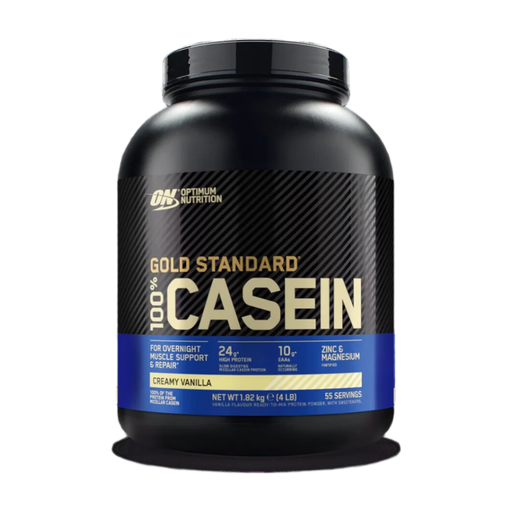
Why it suits this profile: A large pack and slow-digesting casein suit athletes who want to plan their protein intake between meals or before bed.
The product description clearly states the protein type, the 24-gram protein serving and the recommended time to use it.
Micellar casein; 1,800 grams of contents; intended for use before bed or between meals. Contains milk.
We have put together a complete, up-to-date list of products that fully meet these strict selection criteria and the applicable European safety regulations.
You can have a protein shake after exercise, at breakfast, between meals or at any other time when you want to add extra protein. Your overall diet remains more important than sticking to one specific intake time. Always follow the recommended serving instructions on the label.
Check the best-before date and batch code on the packaging. Store the powder according to the instructions, usually tightly sealed in a cool, dry place away from direct sunlight and moisture. Do not use a product if its smell, taste, colour or texture has clearly changed.
That depends on the complete ingredients list and certification. A product containing pea, rice or soya protein may be suitable, but also check for warnings about possible traces of milk or other allergens. A whey or casein product is not vegan because it comes from milk.
Food supplements should not be used as a substitute for a varied diet. If you have a medical condition, take medication, are pregnant or breastfeeding, consult a healthcare professional before use. Always check the current label before buying, as the ingredients and usage advice may change.
