
Vandaag of morgen in huis

Kwaliteit gegarandeerd

Welkomstaanbiedingen ontgrendelen: GRATIS bezorging | Tot 80% korting | Gratis 30 dagen JoyPlus-proefperiode
Download de app
Want to increase your daily protein intake, but struggling to tell the difference between all the tubs, flavours and claims? With protein powder, you sometimes pay mainly for the packaging, brand name or marketing language. The amount of protein per serving, the ingredients and when you use it often tell you more.
For adults who play sports, work out or simply want to add extra protein to their diet, there are three common pitfalls:
A protein shake is a supplement to your normal diet, not a replacement for a varied eating pattern. According to the product warnings, anyone taking medication, who has a medical condition or is pregnant may wish to consult a doctor or qualified healthcare professional first.
Don’t just look at the large figures on the front. Check the nutrition table:
A serving of 30 to 40 grams is common for protein powder. For example, Optimum Nutrition Platinum Hydro Whey states 30 grams of protein per 40-gram serving. Gold Standard Whey products state approximately 24 grams of protein per 32-gram serving. These figures are based directly on the product information provided.
Whey protein comes from milk and is often used as a protein powder after exercise or at other times of day. Whey isolate generally contains a high proportion of protein by weight. Whey concentrate may also contain more fat or carbohydrate.
Casein protein also comes from milk. The product descriptions for Gold Standard Casein position micellar casein for use between meals or before bed. The stated serving contains 24 grams of protein. This makes it relevant for anyone looking for a protein shake to cover a longer period between meals.
Vegan protein powder is often made from pea, rice, soya or other plant-based proteins. Check whether the product is suitable for vegans and also read the warning about possible traces of milk, gluten, egg, nuts or peanuts. “Plant-based” does not automatically mean free from all allergens.
A powder you use every day needs to fit into your routine. Pay attention to:
A sachet can be convenient when you’re out and about, while a 1.6 or 2.04 kg pack is generally more practical for frequent use. Always follow the dosage on the label and do not exceed the recommended daily amount.
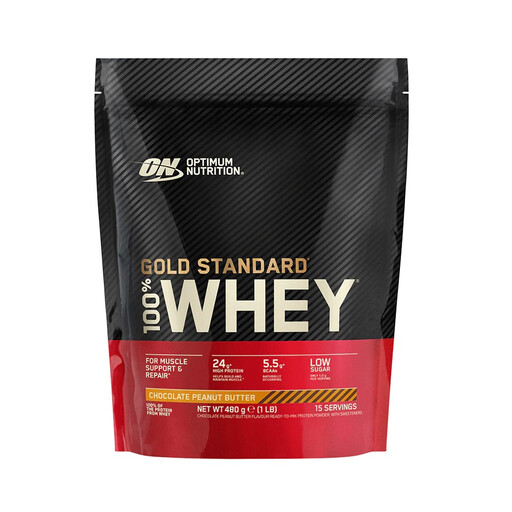
Why it suits this profile: The pack contains 480 grams and approximately 15 servings. This is a manageable option for anyone who wants to try whey protein without immediately buying a large supply.
The product information states 24 grams of protein per 32-gram serving, allowing you to check the ratio of powder to protein.
Whey blend with isolate, concentrate and hydrolysed whey peptides; stated sugar content is 1 gram per serving.
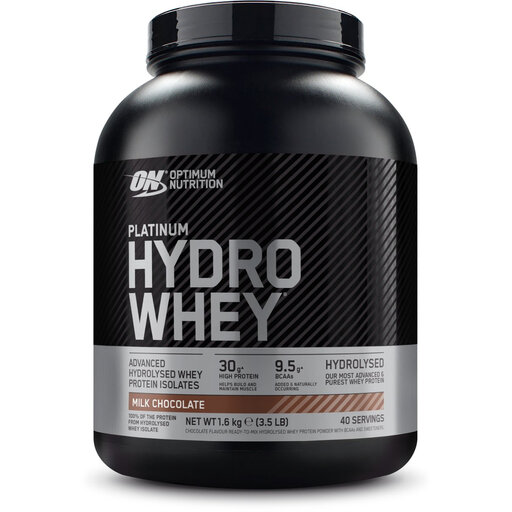
Why it suits this profile: Anyone who trains regularly and wants to make a daily protein shake part of their routine gets approximately 40 servings from one pack, according to the product information.
The nutritional values are provided per 100 grams and per serving: 30 grams of protein per 40-gram serving. Milk and soya are also listed as allergens.
Hydrolysed whey isolate; 0.5 grams of sugar and 141 kcal per stated serving.
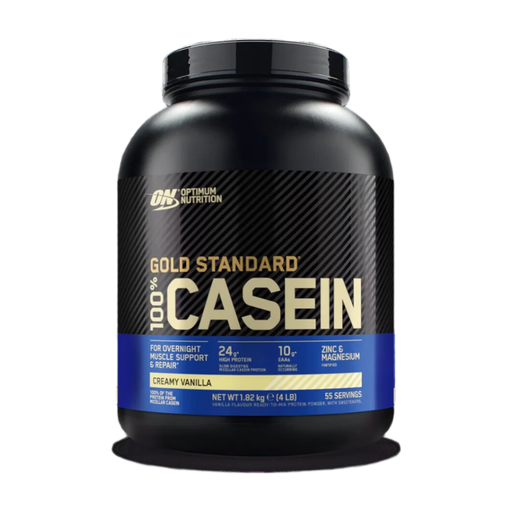
Why it suits this profile: Casein protein is suitable for users who want to schedule their protein intake between meals or before bed.
The pack states 1,800 grams, and the preparation instructions specify one level scoop with 300 to 360 ml of cold liquid.
The product description states micellar casein and 24 grams of protein per serving; contains milk and is not vegan.
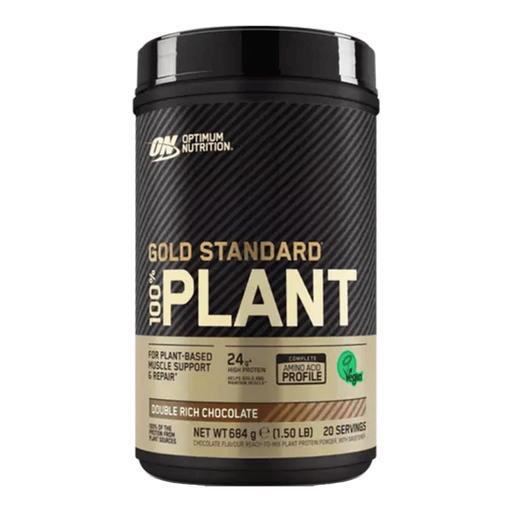
Why it suits this profile: This vegan protein powder combines pea and rice protein and is intended for adults following a plant-based diet.
The ingredients list names pea and rice protein rather than milk. However, check the warning about possible traces of milk, gluten, egg, soya, nuts and peanuts.
24 grams of plant-based protein per stated serving of approximately 36 grams; can be mixed with water or plant-based milk.
We’ve put together a complete, up-to-date list of products that fully meet these strict selection criteria and the applicable European safety regulations.
You can use a protein shake after exercise as a convenient addition to your daily protein intake. There is no single mandatory time to take it. Focus primarily on your overall diet, training schedule and when you will next eat a regular meal. Follow the serving size and preparation instructions on the pack.
The best-before date is shown on the packaging. Store the powder according to the label, usually in a cool, dry place away from direct sunlight. Close the tub securely after use. Do not use the product if the packaging is damaged or if its smell, colour or texture has clearly changed.
No. “Low sugar” says nothing about milk allergens, sweeteners, calories or whether the product is suitable for vegans. Always check the full ingredients list, nutrition table and allergen information. If you’re looking for a vegan product, also make sure it is explicitly labelled as vegan.
