
Vandaag of morgen in huis

Kwaliteit gegarandeerd

Welkomstaanbiedingen ontgrendelen: GRATIS bezorging | Tot 80% korting | Gratis 30 dagen JoyPlus-proefperiode
Download de app
Buying protein powder seems straightforward, until you place the packaging side by side. One shake contains 24 grams of protein per serving, while another mainly provides carbohydrates and calories. Terms such as hydrolysis, isolate, slow-digesting and complete amino acid profiles can also make it difficult to assess product information properly.
For adults who exercise, want to maintain muscle mass or increase their daily protein intake, the choice mainly comes down to three questions:
A bag weighing several kilos may seem good value, but always check the number of servings and serving size. According to the product information, Optimum Nutrition Serious Mass Chocolate 2.73 kg contains around eight servings. The recommended serving is approximately two heaped scoops and provides around 1,250–1,260 kcal.
That is a very different use case from a whey protein requiring around 30 grams of powder per shake. So do not compare only the price per pack. Also compare the price per 25 grams of protein or per use.
A mass gainer or weight gainer is designed to increase calorie intake. According to the stated composition, a serving of Serious Mass contains approximately 50 grams of protein and 250–253 grams of carbohydrates. This may suit someone who struggles to consume enough energy, but it is not automatically suitable if you are simply looking for extra protein.
If you mainly want a protein-rich shake after exercising, look at the protein percentage, the amount of carbohydrates and the total number of calories per serving.
Whey protein, whey protein powder and casein protein are derived from milk. Even when a product contains enzymes such as lactase, this does not automatically mean that it is lactose-free or suitable for everyone with lactose intolerance. For example, Ghost Whey states that it contains milk ingredients and lactase, but is not automatically suitable for every user with lactose intolerance.
When choosing plant-based protein powder, also check the allergen information. According to the product description, Optimum Nutrition Gold Standard 100% Plant Protein is based on pea and rice protein and is intended for vegans and vegetarians. However, the label states that it may contain traces of milk, gluten, egg, soya, nuts and peanuts, among other allergens.
Whey protein is often chosen around a workout or as a convenient supplement during the day. Pay attention to the difference between:
A whey blend may combine several types. According to the product information, Optimum Nutrition Gold Standard 100% Whey contains whey isolate, whey concentrate and hydrolysed whey protein fractions. The stated serving of approximately 31 grams provides 24 grams of protein.
Casein protein has a thicker texture and is often used before bed or between meals. According to the product information, Optimum Nutrition Gold Standard 100% Casein contains 24 grams of micellar casein per 33-gram serving.
Vegan protein powder often consists of a combination of sources, such as pea and rice protein. This type of combination may appeal to anyone avoiding animal ingredients. Always check the exact nutritional values, flavourings and possible traces of allergens.
Do not just look at the number displayed on the front. A product may state that it contains 25 grams of protein per serving, while the serving is larger than that of another brand. So make a note of:
A standard whey shake contains approximately 20 to 30 grams of protein per serving in the selected products. Applied Nutrition Critical Whey states that it contains around 20 grams of protein per 30-gram serving, while Ghost Whey states 25 grams per 35-gram serving. Exact values may vary by flavour, so check the packaging.
For protein powder after exercising, a product with a moderate calorie content is practical. Mix the powder with water if you want to keep the shake’s nutritional values low, or with milk or plant-based milk for extra flavour and energy.
Thanks to its thicker texture, casein also works well in porridge, yoghurt or high-protein desserts. A mass gainer is more suitable between meals or after a workout when you need to increase your daily calorie intake. If the serving is large, consider starting with half the amount and follow the instructions on the label.
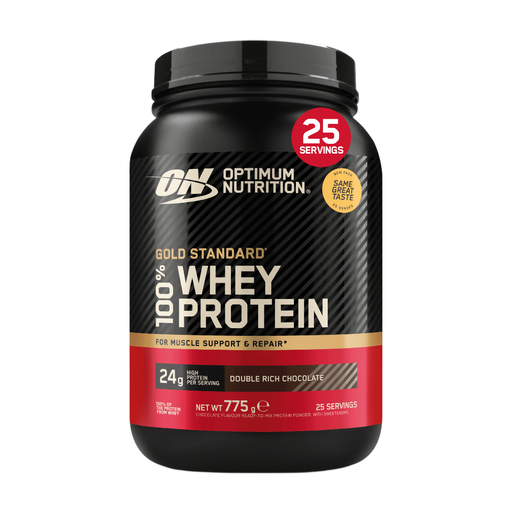
Why it suits this profile: According to the product information, a serving of approximately 31 grams provides 24 grams of protein. The 775-gram pack is a manageable option for anyone trying whey protein for the first time.
The nutritional information lists protein, calories, carbohydrates, fat and sugar per serving. This allows you to compare the product without relying solely on the front of the packaging.
24 g protein per serving; blend of whey isolate, concentrate and hydrolysed whey fractions; suitable for mixing with water or milk.
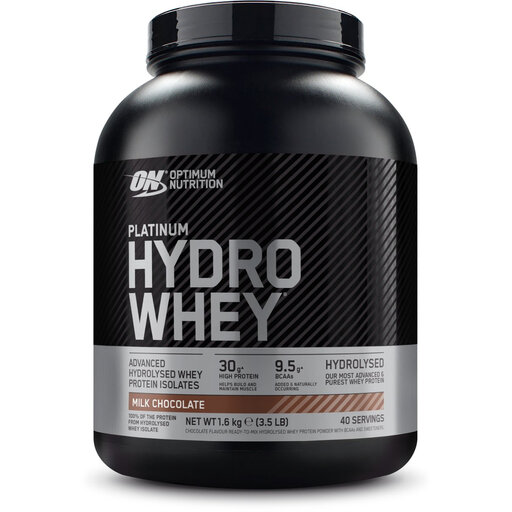
Why it suits this profile: The product information lists hydrolysed whey protein isolate as its base. With approximately 40 servings of 40 grams, this pack is suitable for regular use around workouts.
The serving is clearly defined: 30 grams of protein and 141 kcal per 40 grams of powder. This shows that the product is primarily focused on protein intake rather than a high calorie intake.
30 g protein per serving; approximately 40 servings; low stated carbohydrate and fat content per serving.
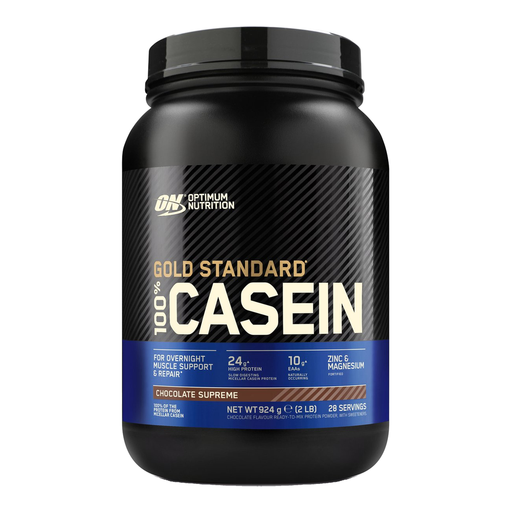
Why it suits this profile: According to the product information, the micellar casein contains 24 grams of protein per 33-gram serving and has a thicker texture. This makes it suitable for use before bed, between meals or in recipes.
The product description clearly explains when to use it and identifies the protein source. You are choosing casein for its texture and intended use, rather than solely relying on general claims about muscle recovery.
24 g micellar casein per serving; approximately 28 servings; suitable for a thicker shake and high-protein recipes.
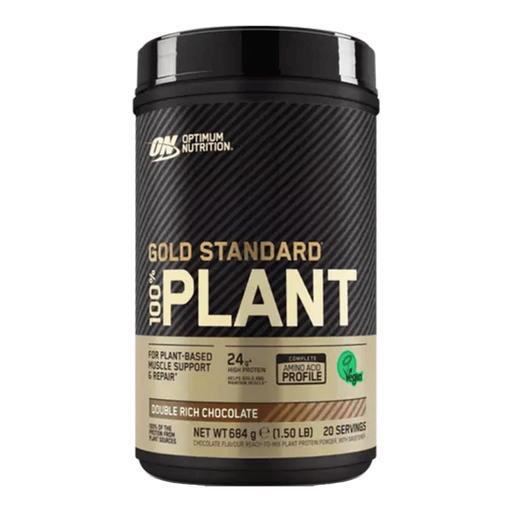
Why it suits this profile: According to the product description, this plant-based protein powder combines pea and rice protein and provides 24 grams of protein per serving of approximately 36 grams.
The product information lists the plant-based sources used and possible traces. Always check this again on the packaging supplied if you have allergies or specific dietary requirements.
Pea and rice protein; 24 g protein per serving; chocolate flavour that can be mixed with water or plant-based milk.
We have put together a complete, up-to-date list of products that fully meet these strict selection criteria and the applicable European safety regulations.
You can use a protein shake after exercising as a convenient addition to your daily protein intake. The exact timing matters less than your overall diet throughout the day. Choose whey for an easy-to-mix shake, or casein when you want a thicker shake between meals or before bed.
Store opened protein powder according to the label: usually tightly sealed, in a cool, dry place away from direct sunlight. Always follow the best-before date and check the smell, colour and texture. An opened ready-to-drink protein shake will generally need to be stored in the fridge and consumed within the stated period.
No. Protein powder is a food supplement, not a replacement for a varied diet. It can be useful when ordinary food is not practical or when you want to add extra protein. Strength training, sufficient energy, recovery and an appropriate overall diet also play a role in muscle growth and maintenance.
Always check the current ingredients list, allergens, recommended dosage and nutritional values on the packaging before buying. Formulations and packaging may change. Do not use a supplement as a replacement for a varied diet and healthy lifestyle.
