
Vandaag of morgen in huis

Kwaliteit gegarandeerd

Welkomstaanbiedingen ontgrendelen: GRATIS bezorging | Tot 80% korting | Gratis 30 dagen JoyPlus-proefperiode
Download de app
Buying a tub of protein powder seems straightforward. Yet many people who exercise end up paying for ingredients they do not need, a flavour that becomes disappointing after a few shakes, or a serving size that does not fit their nutritional goals. The main difference between standard whey protein, whey isolate, clear whey and a mass gainer lies in their composition and when they are used.
A high number of grams of protein per scoop does not tell you everything. Also check the serving size, the number of servings per pack and the amount of carbohydrates, fat and calories. For example, a product with 25 grams of protein per serving may contain 100 kcal, while a weight gainer can provide more than 1,200 kcal per shake.
A mass gainer or weight gainer is designed to add extra calories. This can be useful for people who find it difficult to gain weight, but a full serving often contains far more carbohydrates than a standard protein shake. If you are only looking for extra protein to support muscle growth, you could therefore consume far more calories than necessary.
Terms such as “fast absorption”, “complete formula” or “ideal recovery” are no substitute for verifiable information. Check the ingredients list, nutrition table and allergen information. A brand’s own research may suggest that a product has certain properties, but base your choice primarily on the information shown on the product label and product page.
Whey protein is a general term for protein derived from milk. A standard whey formula often contains whey concentrate, whey isolate and sometimes hydrolysed whey protein. A whey isolate consists mainly of whey protein isolate and generally contains less carbohydrate and fat per serving than a blended formula.
Clear whey is also based on whey isolate, but is prepared as a light, clear drink. This is a practical choice if you do not want a creamy protein shake. Beef protein uses beef protein isolate as its source and may be of interest to adults who want to avoid whey or certain dairy products. Always check the current allergen information, as product formulas can change.
Compare products based on the same serving size. Servings in the range vary from approximately 25 to 33 grams. Pay attention to:
Many protein powders contain milk and sometimes soya, for example through lecithin. Some varieties also contain egg, gluten, nuts or caffeine. A product containing lactase is not automatically suitable for everyone with lactose intolerance. Therefore, read the label for your chosen flavour before buying.
The preparation instructions also affect the nutritional values. Mixing with milk increases the calorie content and can change the amount of protein compared with mixing with water.
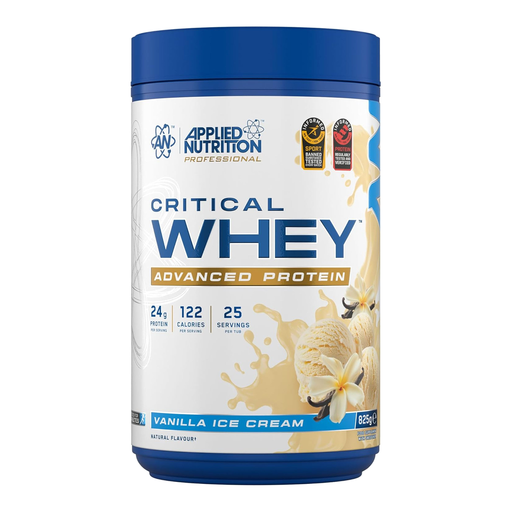
Why it suits this profile: An accessible whey blend for anyone looking to supplement their daily protein intake with a serving containing approximately 20 grams of protein.
The nutritional values are provided per serving, so you do not have to rely solely on the marketing name. The label lists milk and soya as allergens.
Whey concentrate, isolate and hydrolysed whey protein; suitable for mixing with water as a high-protein snack.

Why it suits this profile: For anyone looking for a whey isolate with low levels of carbohydrates and fat per shake.
The product information states 25 grams of protein, 100 kcal, less than 1 gram of carbohydrates and less than 0.5 grams of fat per 31-gram serving.
930 grams; approximately 31 shakes; contains milk and soya.
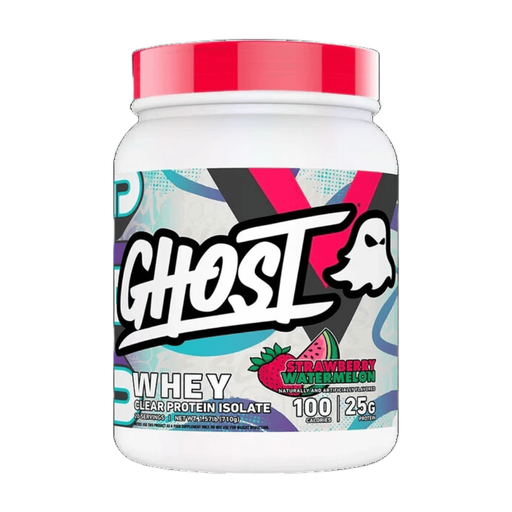
Why it suits this profile: A clear protein drink for people who exercise and prefer a light, non-creamy protein shake.
The serving size is clearly specified: 25 grams of protein and approximately 100 kcal per roughly 32 grams of powder. It contains no added sugar, but does contain sweetener.
710 grams; approximately 20 servings; free from soya and gluten according to the product specification; contains milk.
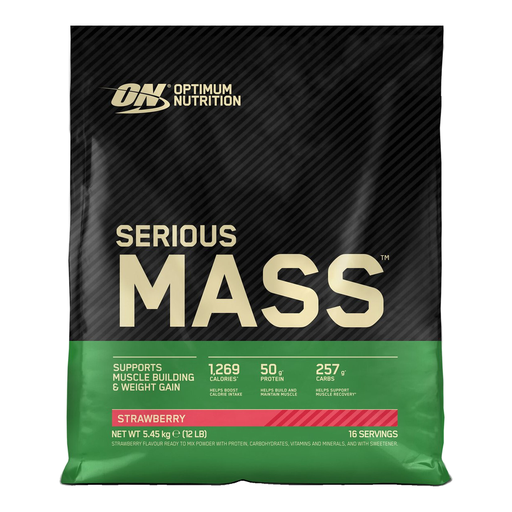
Why it suits this profile: For adults who want to include plenty of extra carbohydrates and calories in their diet alongside protein.
The high energy value is clearly stated: 50 grams of protein, 250 grams of carbohydrates and approximately 1,269–1,292 kcal per 334-gram serving.
5.45 kg; 16 servings; contains, among other ingredients, whey concentrate, calcium caseinate, egg albumin and maltodextrin. Allergens should be checked before use.
We have put together a complete, up-to-date list of products that fully meet these strict selection criteria and the applicable European safety regulations.
You can have a protein shake after exercising when you want a practical way to add extra protein. The precise timing is less important than your overall daily diet. Follow the serving recommendation on the label and use protein powder as a supplement, not as a replacement for a varied diet.
This depends on the weight and serving size. A 930-gram pack with 31-gram servings contains approximately 31 shakes. Despite its greater weight, a 5.45 kg mass gainer may contain only 16 servings because one serving is approximately 334 grams. Therefore, always compare the number of servings, not just the net weight.
Calculate the price per serving by dividing the selling price by the stated number of servings. Also look at the protein content per serving. A cheaper pack may offer less value if each serving contains little protein or if you need to use larger quantities.
