
Vandaag of morgen in huis

Kwaliteit gegarandeerd

Welkomstaanbiedingen ontgrendelen: GRATIS bezorging | Tot 80% korting | Gratis 30 dagen JoyPlus-proefperiode
Download de app
A tub of protein powder may seem easy to compare at first glance. Yet many athletes pay for claims that say little about everyday usability. A high protein percentage may, for example, go hand in hand with a small serving, a flavour that soon becomes disappointing or ingredients that do not suit your diet.
As a Joybuy Product Recommendation Officer, I filter the most important product information according to three points: protein source, nutritional values and practical use. This allows you to compare whey protein, whey isolate, beef protein and ready-to-drink shakes based on verifiable information rather than marketing language.
A product with 90 grams of protein per 100 grams sounds appealing, but also check the serving size. Applied Nutrition ISO-XP, for example, states 22.5 grams of protein per 25-gram serving. This says more about how the product is used than a large percentage printed on the packaging.
Also compare the amount of carbohydrates, sugar, fat and calories per serving. This helps you avoid choosing a product that appears good value but is less suitable for your diet plan in practice.
Whey protein and whey protein powder come from milk. Whey isolate also contains milk components, although its composition may differ from that of whey concentrate. If you avoid dairy or lactose, you should therefore always read the allergen information.
A blend containing whey and soya, such as Lucovitaal Protein Hybrid Pure Powder, is therefore not fully vegan or dairy-free. Beef protein may be an alternative for people who do not want to use whey or soya, but you should also check the full ingredients list in this case.
Whey protein naturally contains amino acids, including leucine, isoleucine and valine. These are often referred to collectively as BCAAs. A separate BCAA claim does not automatically mean that a product is more suitable than another protein powder with a similar amount of protein.
Collagen powder also has a different application profile from a complete protein product. According to the product information for Applied Nutrition Collagen Keto Beauty Support Formula, it contains hydrolysed beef collagen peptides and MCTs. It therefore cannot be compared directly with whey protein powder for muscle growth.
Do not look only at the contents of the tub. Also note:
A serving of Applied Nutrition Critical Whey provides approximately 20 to 24 grams of protein, depending on the variant. Optimum Nutrition Gold Standard 100% Whey states approximately 24 to 25 grams per serving for various pack sizes. Exact values may vary by flavour and size, so always check the label of the variant you purchase.
Milk and soya are commonly found in whey protein and high-protein food supplements. Some flavours also contain sweeteners, thickeners or traces of other allergens.
For flavoured variants, also check the caffeine content. The Caramel Latte version of Applied Nutrition Critical Whey states 100 mg of caffeine per 33-gram serving. This makes it less suitable if you train in the evening or want to limit your caffeine intake.
The recommended amount of liquid varies depending on how the product is prepared. Many powders use approximately 180 to 400 ml of water or milk. A protein shake made with water is quick to prepare; using milk generally makes the drink creamier, but changes its nutritional values.
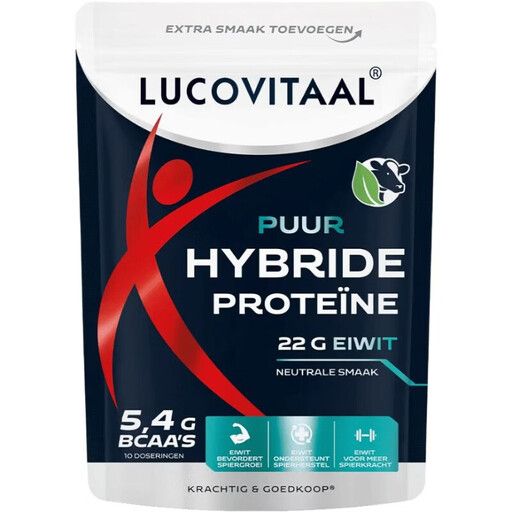
Why it suits this profile: The combination of whey concentrate and soya isolate offers an accessible way to try different protein sources. The product information states 22 grams of protein per serving.
The product description clearly states both protein sources and contains no added colourings or flavourings.
Can be used in a shake, smoothie or baking recipe; naturally contains BCAAs.
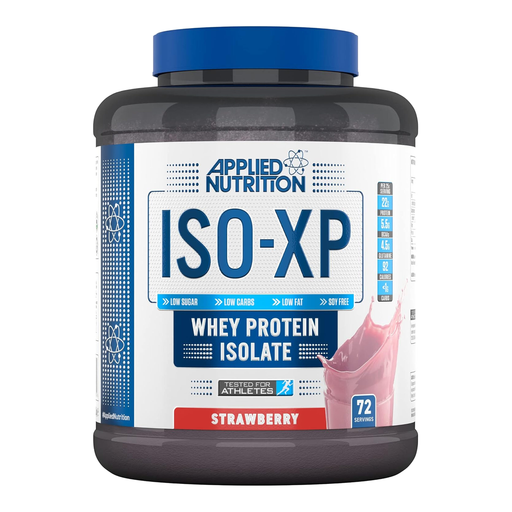
Why it suits this profile: This whey isolate is aimed at athletes who want plenty of protein and little carbohydrate, sugar and fat per serving.
The nutritional information distinguishes between 95% isolate as an ingredient and 90 grams of protein per 100 grams of finished product.
22.5 grams of protein per 25-gram serving; uses sunflower lecithin and contains milk as an allergen.
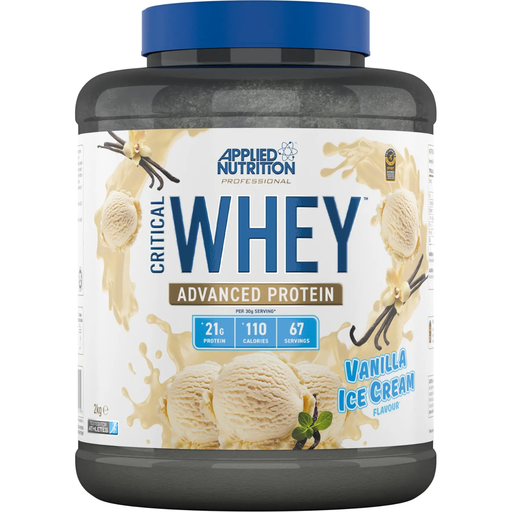
Why it suits this profile: The 2kg size and approximately 67 servings suit athletes who regularly use protein shakes.
The packaging states the serving size, number of servings and nutritional values per 30 grams, making it easier to calculate costs for frequent use.
21 grams of protein per serving, 110 kcal per serving and a blend of concentrate, isolate and hydrolysed whey.
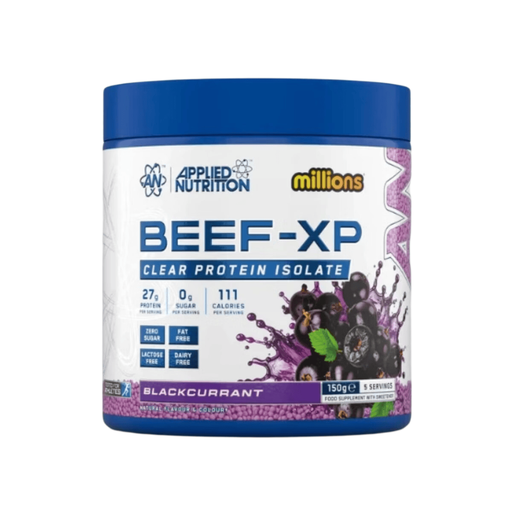
Why it suits this profile: This beef protein is intended for adults who want to avoid whey or soya and try a smaller pack.
The product information names beef protein isolate as the protein source and does not list milk or soya among the ingredients.
27.2 grams of protein per 30-gram serving; suitable for shakes, smoothies and use after exercise.
We have compiled a complete, up-to-date list of products that fully meet these strict selection criteria and the applicable European safety regulations.
Use the amount of liquid stated on the label, add the water or milk first and then add the powder. A shaker with a strainer helps mix everything smoothly. Applied Nutrition recommends 300 to 400 ml of cold water for various variants; Optimum Nutrition uses approximately 180 to 240 ml for several variants. The right ratio therefore differs from product to product.
Check the best-before date and store the packaging in a cool, dry place, sealed properly. Moisture, heat and direct sunlight can adversely affect the texture and flavour. Do not use powder that smells unusual, has become hard due to moisture or comes from damaged packaging.
Protein powder is a supplement to your daily diet, not a replacement for a varied eating pattern. According to the authorised EU health claim, protein contributes to the growth and maintenance of muscle mass. Whether you need additional protein powder depends on your total protein intake, training load and dietary choices. If you have allergies, take medication or have a medical condition, always read the label and seek advice from a healthcare professional if necessary.
