
Vandaag of morgen in huis

Kwaliteit gegarandeerd

Welkomstaanbiedingen ontgrendelen: GRATIS bezorging | Tot 80% korting | Gratis 30 dagen JoyPlus-proefperiode
Download de app
Protein powder can be useful when you want to supplement your daily protein intake. However, you may sometimes be paying mainly for eye-catching packaging, a long list of ingredients or a marketing term that says little about the nutritional value. The right choice depends not only on flavour, but also on your diet, when you plan to use it and how many calories you want to consume.
A high protein percentage per 100 grams does not tell you everything. Also check the serving size, the number of servings per pack and the amount of sugar, fat and carbohydrates per shake. A product may provide a lot of protein per serving, but a large scoop can also mean more calories than you expect.
Whey protein comes from milk. It is not suitable for a vegan diet and may be unsuitable if you have a milk allergy. Whey isolate is generally more heavily filtered than whey concentrate, but always check the label for allergens and the exact composition.
A vegan protein powder, for example, may contain pea, rice or other plant-based proteins. “Plant-based” does not automatically mean that the product is free from potential cross-contamination. Some packaging states that the product is made in an environment where milk, soya, gluten, nuts or peanuts are processed.
Anyone mainly looking for extra protein will usually need something different from someone deliberately aiming to consume more calories. A mass gainer can contain hundreds of grams of carbohydrates and more than a thousand kilocalories per serving. That is a significant difference from a standard protein shake containing around 90 to 130 kilocalories.
Start by looking at the source:
Next, compare the amount of protein per recommended serving. Among the available products, this ranges from 20 to 27.2 grams of protein per serving for regular protein powders. A mass gainer, on the other hand, states 50 grams of protein per serving, but also around 250 grams of carbohydrates.
For a low-sugar protein powder, the nutritional values per serving are more important than the terms used on the front of the packaging. For example, Optimum Nutrition Gold Standard Whey contains around 24 grams of protein and approximately 1 gram of sugar per serving, depending on the variant. The Applied Nutrition ISO-XP variant lists approximately 22.5 grams of protein, 0.09 grams of sugar and 0.24 grams of fat per 25-gram serving.
Bear in mind that flavours within the same product range may differ. Chocolate, biscuit and coffee flavours sometimes contain additional ingredients such as cocoa, biscuit, coffee or sweeteners.
Always check:
A protein shake is not a substitute for a varied diet. If you are pregnant or breastfeeding, take medication, have a medical condition or have a known allergy, it is advisable to consult a doctor or another qualified healthcare professional. Also follow the information on the current packaging, as the recipe, warnings and dosage may change.
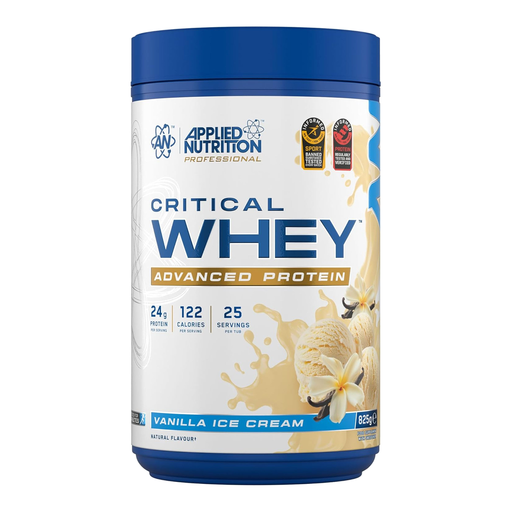
Why it suits this profile: This 825-gram pack is a practical starting point for anyone wanting to try whey protein without immediately choosing a large bulk-size pack.
The product information gives the protein value per serving and clearly warns about milk and soya. This allows you to compare the nutritional value and allergens in advance.
Around 22–24 grams of protein per serving, with whey concentrate, whey isolate and hydrolysed whey protein. Available in a vanilla flavour.

Why it suits this profile: Suitable for athletes looking for a whey isolate with a high protein content and limited amounts of sugar and fat.
The product information provides values per serving: 25 grams of protein, less than 0.5 grams of sugar and less than 0.5 grams of fat. Milk and soya are listed as allergens.
930 grams, around 31 servings and 25 grams of protein per shake. Mix with water or milk.
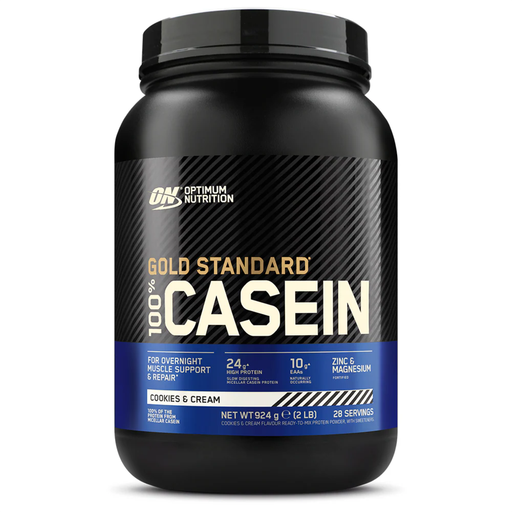
Why it suits this profile: Casein protein is suitable for anyone wanting to plan a protein shake for a time when there is a longer gap between meals, such as before bed.
The product information identifies the type of protein and the recommended mixing ratio of 33 grams of powder with 300 ml of milk. It is not a vegan product and may contain milk, soya, gluten, egg and nuts.
924 grams, around 28 servings and 24 grams of protein per serving according to the product description.
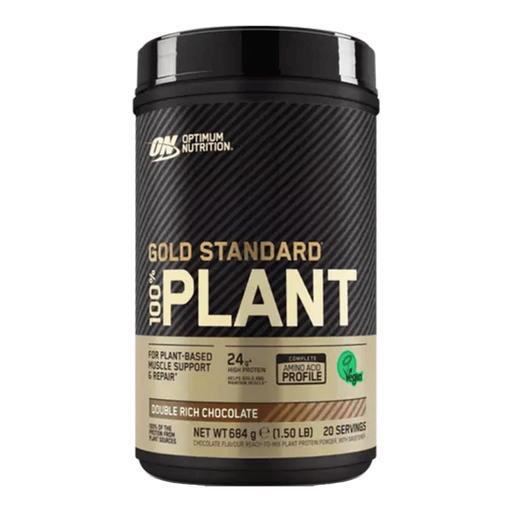
Why it suits this profile: This vegan blend of pea and rice protein is designed for vegans and vegetarians looking for a plant-based protein powder.
The product information lists the protein sources, 24 grams of protein per serving and possible traces of milk, gluten, egg, soya, nuts and peanuts. Check the label if you need to avoid cross-contamination.
Pea and rice protein in a 684-gram pack containing around 20 servings. The chocolate flavour can be mixed with water or plant-based milk.
We have put together a complete, up-to-date list of products that fully meet these strict selection criteria and the applicable European safety regulations.
You can use a protein shake after exercising as a convenient way to supplement your daily protein intake. Product information for various options also mentions using it in the morning, between meals or around your workout. The exact timing is less important than your overall diet, training schedule and the recommended dosage on the label.
Store the powder according to the packaging instructions: usually tightly sealed, in a cool, dry place and away from direct sunlight. Follow the stated best-before date and check the product for changes in smell, colour or texture. An opened pack absorbs moisture more quickly if you put the scoop back while it is wet.
Calculate the cost per shake by dividing the purchase price by the number of servings. Then also compare the amount of protein per serving. A larger pack may work out cheaper per serving, but it is only good value if you enjoy the flavour and use the product before its expiry date.
