
Vandaag of morgen in huis

Kwaliteit gegarandeerd

Welkomstaanbiedingen ontgrendelen: GRATIS bezorging | Tot 80% korting | Gratis 30 dagen JoyPlus-proefperiode
Download de app
If you’re looking for protein powder for muscle growth, you’ll soon come across dozens of similar tubs, bundles and eye-catching claims. A higher price doesn’t automatically mean a product is better suited to your diet. Terms such as “fast absorption”, “premium formula” and “complete sports nutrition” don’t tell you much if the nutritional information, serving size and allergens aren’t clear.
The three most common pitfalls:
Compare products based on grams of protein per serving and per 100 g. A standard whey protein often contains around 20 to 25 g of protein per serving, while a mass gainer can also provide considerably more carbohydrates and calories.
For example, Optimum Nutrition Gold Standard Whey products list around 24 g of protein per serving. Gold Standard Isolate lists 25 g per serving and less than 1 g of carbohydrates. This can be a practical option if you want to add extra protein without many additional calories.
According to an EU-authorised nutrition claim, protein contributes to the growth and maintenance of muscle mass. This doesn’t mean that protein powder alone causes muscle growth. Training, sufficient overall nutrition, rest and a suitable daily routine remain important.
Also look out for sweeteners, flavourings and milk or soya allergens. If you have an intolerance or medical condition, it’s a good idea to discuss the label with a doctor or dietitian.
A protein shake after training is only convenient if the serving size is clear and the product is easy to mix. Check how much water or milk you need, how many servings are in the pack and whether a shaker is included.
A protein bundle can offer good value if you’ll actually use several of the products. You might choose a combination of whey and a creatine supplement, casein with a shaker, or whey with electrolytes. Don’t buy a pre-workout supplement or electrolyte sports drink just because it’s included in a bundle.
Take extra care with the amount of caffeine in products that contain it. Product information for some pre-workout shots lists 175 or 200 mg of caffeine per shot. Don’t combine these products casually with coffee, energy drinks or another source of caffeine.

Why it suits this profile: The small pack contains around 10 servings, so you can try the whey protein and flavour before buying a larger supply.
The pack size and serving information are easy to understand: around 24 g of protein per serving of approximately 30 g. This makes it easier to see exactly what you’re buying.
The 300 g pack contains around 24 g of protein per serving and mixes with 180–240 ml of water or milk.

Why it suits this profile: A good option for athletes comparing protein sources that are low in carbohydrates and fat.
The product information clearly states the protein content: 25 g of protein per 31 g serving and less than 1 g of carbohydrates.
930 g pack, 31 servings and whey isolate listed as the protein source.
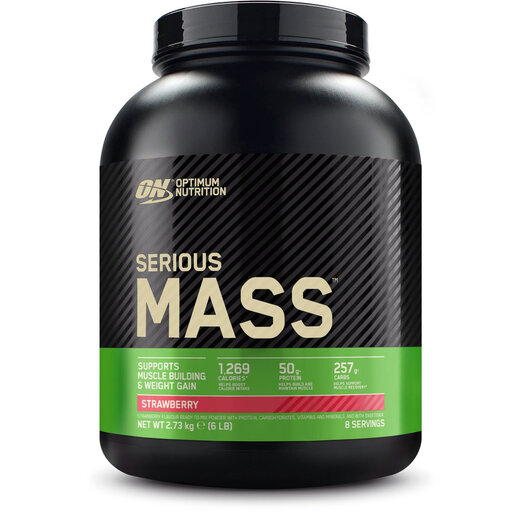
Why it suits this profile: Designed for athletes who want to add plenty of extra calories and carbohydrates to their diet, as well as protein.
The large serving size is clearly stated: around 334 g per serving. This makes it clear that this isn’t an ordinary whey shake.
According to the product information, each serving contains 50 g of protein, 250 g of carbohydrates and around 1,269–1,292 kcal.
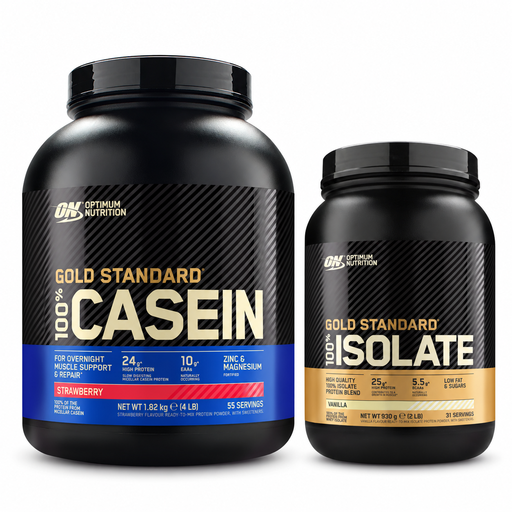
Why it suits this profile: A handy option if you want to combine a protein shake after training with casein between meals or before bed.
The bundle clearly separates two uses: isolate after training or between meals, and micellar casein for later in the day.
The isolate lists 25 g of protein per serving; the casein lists 24 g per serving, and both products contain milk.
We’ve put together a complete, up-to-date list of products that meet these strict selection criteria and comply with current European safety regulations.
Use it to supplement your usual diet and follow the serving size on the label. Whey is often used after training or during the day. According to product information, casein is more suitable between meals or before bed. Your total daily protein intake matters more than sticking to a strict time.
It depends on your dietary goal. In the product examples mentioned, whey isolate contains relatively little carbohydrate and fat. A standard whey blend may be enough if you’re simply looking for a convenient source of protein. Compare the nutritional values per serving and per 100 g rather than relying on the product name alone.
A mass gainer is best suited to you if you deliberately want to add extra calories and carbohydrates. Check the serving size first: Serious Mass has a serving of around 334 g. If you’re only looking for extra protein, a standard whey or whey isolate may be a better way to choose the right amount.
