
Vandaag of morgen in huis

Kwaliteit gegarandeerd

Welkomstaanbiedingen ontgrendelen: GRATIS bezorging | Tot 80% korting | Gratis 30 dagen JoyPlus-proefperiode
Download de app
Choosing a tub of protein powder may seem straightforward. Yet products differ considerably in their protein source, serving size, flavour, allergens and price per shake. A prominent label featuring terms such as “isolate”, “BCAAs” or “clean” does not automatically mean the product suits your diet.
Pay particular attention to these three common pitfalls:
A good choice therefore starts with the label, not the front of the packaging.
Whey protein comes from milk and is often used in a protein shake after exercise. Whey concentrate contains some carbohydrates and fat as well as protein. Whey protein isolate is filtered further and, according to the product information, often contains less sugar and fat.
If you want to avoid dairy, you can choose vegan protein powder or another form of plant-based protein. A combination of pea and rice protein can provide a broader amino acid profile than a single plant-based source. Always check the ingredients list, though: “vegan” does not automatically mean free from all allergens.
Soya protein is a practical plant-based option with a high protein content. Lucovitaal Protein Soy Powder Pure, for example, states that it provides 23 grams of protein per 25-gram serving. According to the product information, it contains soya and is free from added sugar, lactose, colourings and flavourings.
Beef protein may suit adults who want to avoid dairy or soya. Applied Nutrition Beef-XP states that it provides 27.2 grams of protein per 30-gram serving, with low levels of fat and carbohydrates. With this type of product, check that the source, ingredients and allergens are clearly stated on the label.
Do not compare only the number of grams of protein per scoop. Also look at:
Examples from the range show that products can provide around 20 to 25 grams of protein per serving. Optimum Nutrition Gold Standard 100% Whey states that it provides approximately 24 grams per serving. Optimum Nutrition Isolate states that it provides 25 grams per serving, with less than 0.5 grams of sugar and fat per serving according to the product information.
A protein powder for muscle building has little practical value if you do not enjoy the flavour or rarely use it. Choose a flavour that fits your daily routine, such as vanilla, chocolate, strawberry or a fruity option.
Also consider the amount of liquid required. Standard whey protein is often mixed with around 180 to 240 ml of water or milk. According to the product information, Optimum Nutrition Clear Protein Plant Protein Isolate requires approximately 600 ml of cold water and should be left to stand briefly after shaking to allow the foam to settle.
The term protein powder after exercise mainly refers to convenience. You do not necessarily need to have a shake immediately after training; your overall protein intake throughout the day remains more important. BCAAs occur naturally in many protein sources. A product labelled “protein powder with BCAAs” is therefore not automatically more suitable than one with a similar protein content.

Why it suits this profile: The 300-gram pack is a practical choice for anyone who wants to try whey protein without buying a large quantity straight away. According to the product information, one serving provides approximately 24 grams of protein.
The serving size and nutritional values are clearly stated. Before buying, check the current packaging, as the recipe and label may change.
Whey blend containing isolate, concentrate and hydrolysed whey; approximately 24 grams of protein per serving; suitable for mixing with water or milk.

Why it suits this profile: This product is aimed at users who want to compare whey protein isolate specifically in terms of protein, sugar and fat content. It states that each serving of approximately 31 grams provides 25 grams of protein.
The label states the serving size and separate values for protein, carbohydrates, sugar, fat and salt. This makes it easier to compare with other isolate products.
25 grams of protein per serving; less than 0.5 grams of sugar and fat per serving according to the product description; 31 servings per pack.
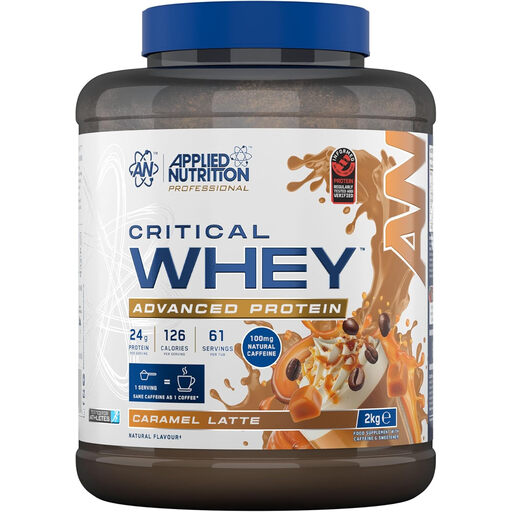
Why it suits this profile: The 2 kg pack is suitable for adults who train regularly and want to spread the cost per serving. The Caramel Latte variant states that it provides 24 grams of protein and 100 mg of caffeine per 33-gram serving.
The caffeine content is clearly stated. This allows you to distinguish this flavour from caffeine-free protein powder and take your total caffeine intake into account.
2 kg contents; whey concentrate, whey isolate and hydrolysed whey; 24 grams of protein per serving according to the product information.
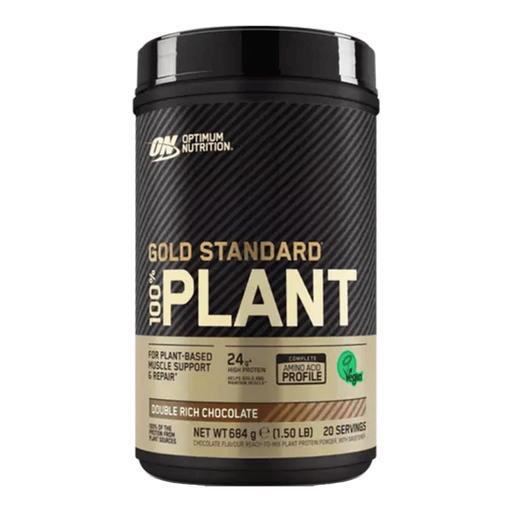
Why it suits this profile: According to the product description, this vegan protein powder combines pea and rice protein and provides 24 grams of plant-based protein per serving of approximately 36 grams.
The protein sources are clearly listed in the ingredients. However, note the stated possible traces of milk, gluten, eggs, soya, nuts and peanuts.
Pea and rice protein; 24 grams of protein per serving; 684-gram pack with 20 stated servings.
We have compiled a complete, up-to-date list of products that fully meet these strict selection criteria and the applicable European safety regulations.
Check the best-before date on the packaging. Store the powder in a cool, dry place away from direct sunlight. Close the packaging securely after use. Moisture can affect its texture and mixability.
This depends on your total protein intake, body weight, training load and daily diet. Follow the recommended serving on the label and regard a shake as a supplement, not a replacement for a varied diet. If you take medication, have a medical condition, are pregnant or breastfeeding, it is advisable to consult a healthcare professional.
No. Whey products generally contain milk and often soya. Plant-based products may contain soya or other allergens. Always check the current ingredients list and warnings. Under-18s and people with specific medical or nutritional circumstances should follow the product warnings and seek professional advice where necessary.
