
Vandaag of morgen in huis

Kwaliteit gegarandeerd

Welkomstaanbiedingen ontgrendelen: GRATIS bezorging | Tot 80% korting | Gratis 30 dagen JoyPlus-proefperiode
Download de app
Buying a tub of protein powder seems straightforward, but the differences between whey protein, protein powder, weight gainers and other sports nutrition products are significant. An eye-catching label does not always tell you whether the ingredients suit your goals. As a result, adult athletes sometimes pay for unnecessary additions, a flavour that quickly becomes disappointing or packaging containing fewer servings than expected.
As a Joybuy Product Recommendation Officer, I focus mainly on verifiable information: protein per serving, ingredients, allergens, dosage, number of servings and when to use the product. This information helps you put marketing claims into perspective.
A high percentage on the front of the pack is not enough. Always check the nutrition table and see how many grams of protein you actually get per serving. A 30 g scoop containing 24 g of protein is very different from a large serving containing lots of carbohydrates, fat or sugar.
The source also matters with whey protein. Whey isolate, whey concentrate and hydrolysed whey appear differently in the ingredients list. However, the overall nutritional value per serving remains the most important point of comparison.
A multi-kilo pack may seem good value, but flavour preferences vary from person to person. Also check the recommended amount of water or milk. A protein shake made with 180 to 240 ml of liquid has a different consistency from one for which 300 to 400 ml is recommended.
If you are not yet sure which flavour you like, it is better to start with a small pack or sachet. This helps minimise the risk of waste.
Protein powder is an addition to your daily diet, not a replacement for varied meals. The same applies to creatine monohydrate, glutamine powder, pre-workout and electrolyte powder. Each product has a different function and dosage.
If you use products in combination, check the labels carefully. A weight gainer may already contain creatine or glutamine, for example. Adding extra supplements without considering your total intake is not always necessary.
Compare at least the following points:
The Optimum Nutrition Gold Standard Whey product page, for example, lists approximately 24 grams of protein per serving. According to the product specifications, the 300 g version contains a serving of approximately 32 grams. This makes the pack suitable for trying a flavour first.
Whey protein comes from milk and is not suitable for a vegan diet. Also look out for soya lecithin, milk ingredients and possible traces of gluten, egg, peanuts or nuts.
If you do not want to use whey or soya, you could consider an alternative based on beef protein. According to its product description, Applied Nutrition Beef-XP provides 27.2 grams of protein per 30 g serving and is made using beef protein isolate. If you have allergies, always check the current packaging, as formulations may change.
A protein shake can be used after exercise, but also at another time when you want to add extra protein. Your total daily diet is more important than following a strict timing schedule.
Other categories have their own usage guidelines:
Always follow the dosage on the label and take caffeine, allergens and any medication into account.

Why it suits this profile: The small pack is practical for trying a flavour and preparation method before buying a larger quantity.
With 24 g of protein per serving and 300 g of product, you can clearly check the nutritional value and number of servings.
24 g of protein per serving; mix with 180–240 ml; contains milk and soya.

Why it suits this profile: This version is aimed at adults looking for a protein powder with a high protein content and limited amounts of carbohydrates and fat.
The product information states that each serving contains 25 g of protein, less than 1 g of carbohydrates and less than 0.5 g of fat. However, check these values on the packaging.
25 g of protein per serving; 31 servings; whey protein isolate as the main protein source.
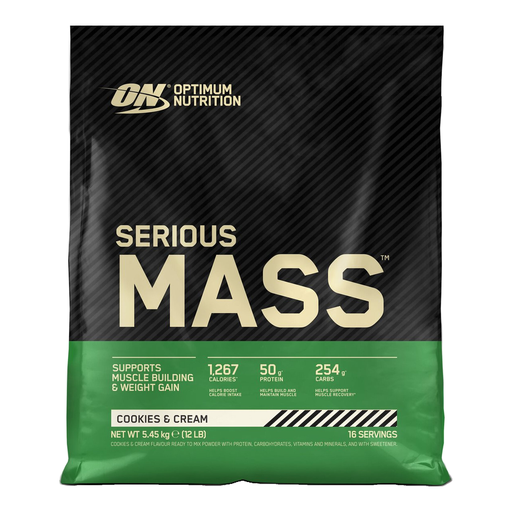
Why it suits this profile: This is not a regular whey product, but a weight gainer for athletes who deliberately want to add extra calories and carbohydrates to their nutrition plan.
The very large 334 g serving makes it clear that this product provides far more calories and carbohydrates than a standard protein shake.
According to the product data, 50 g of protein and 250 g of carbohydrates per serving; 16 servings per pack; contains milk, gluten and egg.
We have put together a complete, up-to-date list of products that fully meet these strict selection criteria and the applicable European safety regulations.
This depends on your total protein intake, body weight, meals and training goal. Use a shake to conveniently make up a shortfall, rather than automatically using it as a regular meal replacement. Follow the recommended dosage on the label and take protein from ordinary food into account.
Whey protein contains milk ingredients, but the amount of lactose varies from product to product. An isolate may have a different composition from whey concentrate, but that does not automatically mean it is lactose-free. Ghost Whey, for example, lists lactase, but also states that this does not mean the product is suitable for everyone with lactose intolerance. Check the ingredients and allergens on the packaging.
Check the best-before date and store the powder according to the manufacturer’s instructions. This usually means keeping it tightly sealed in a cool, dry place away from direct sunlight. Always use the current packaging as your guide. If the smell, colour or texture has clearly changed, do not use the product and contact the seller if in doubt.
