
Vandaag of morgen in huis

Kwaliteit gegarandeerd

Welkomstaanbiedingen ontgrendelen: GRATIS bezorging | Tot 80% korting | Gratis 30 dagen JoyPlus-proefperiode
Download de app
Buying a tub of protein powder seems simple, until you compare the nutritional information, serving sizes and ingredients. Eye-catching packaging tells you little about whether a product is right for your goal. A whey shake with a high amount of protein per serving, for example, suits a different diet plan from a weight gainer with more than 1,200 kcal per serving.
The most common pitfalls are:
Start by comparing the amount of protein per recommended serving. A standard whey product often provides around 20 to 25 grams of protein per shake. Applied Nutrition Critical Whey, for example, lists around 20 grams of protein per 30-gram serving, while Optimum Nutrition Gold Standard 100% Whey lists around 24 grams per serving.
Also check the amount per 100 grams. This makes products with different serving sizes easier to compare. Pay attention to calories, carbohydrates, sugars and fats too. If you’re looking for low-sugar protein powder, you can check these figures directly on the label rather than relying on terms such as “lean” or “clean”.
Whey concentrate usually contains more milk components, fats and carbohydrates alongside the protein. It’s a practical choice for everyday use if you don’t have a strict macro target.
Whey isolate is filtered further. Optimum Nutrition 100% Gold Standard Isolate’s product specifications list 25 grams of protein, less than 1 gram of carbohydrates and less than 0.5 grams of fat per 31-gram serving. This may suit athletes who track their calories or macros more closely.
Some products combine concentrate, isolate and hydrolysed whey protein. Applied Nutrition Critical Whey and Gold Standard Whey use this type of blend. Always check the full ingredients list: a blend doesn’t automatically mean each type of protein is present in the same proportion.
A regular protein shake is mainly intended as a convenient way to top up your daily protein intake. A weight gainer or mass gainer is much higher in calories. Optimum Nutrition Serious Mass Cookies & Cream lists 50 grams of protein, 250 grams of carbohydrates and around 1,269 to 1,292 kcal per 334-gram serving. That’s a large serving, best suited to someone who deliberately wants to add extra energy to their diet.
Also consider how it needs to be prepared. According to the product information, Serious Mass requires around 710 ml of water or milk. A large shake can be convenient, but not everyone will find a serving that size practical between work, study and training.
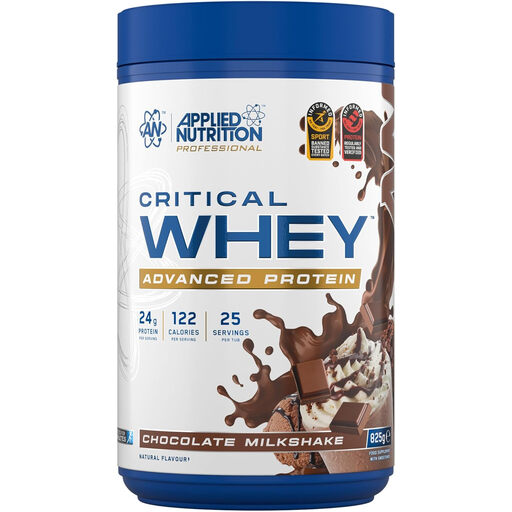
Why it suits this profile: A serving of around 30 grams is manageable for anyone trying protein powder for the first time who doesn’t want to buy a large supply.
The product information lists around 20 grams of protein per serving, so you can compare the amount with your daily requirements.
A blend of whey concentrate, whey isolate and hydrolysed whey; available in an 825-gram pack.
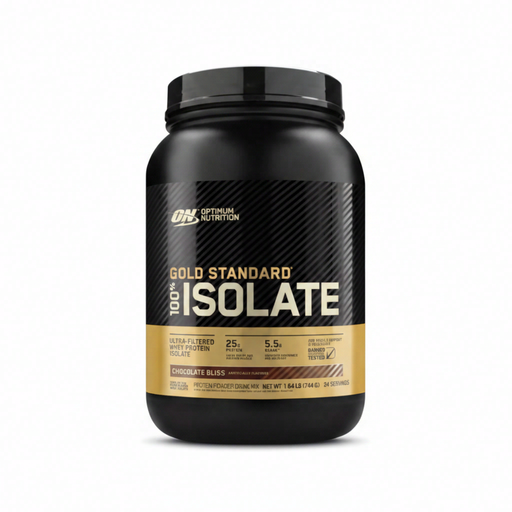
Why it suits this profile: Its formula is designed to provide plenty of protein with little carbohydrate and fat per shake.
The product details clearly list 25 grams of protein, less than 1 gram of carbohydrates and less than 0.5 grams of fat per 31-gram serving.
Whey isolate as a protein source; 930 grams per pack and 31 listed servings.
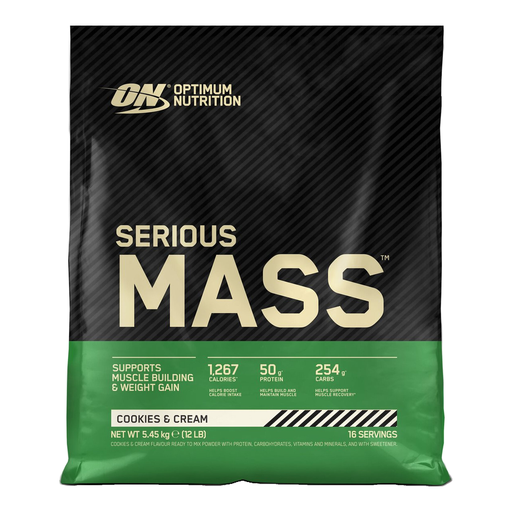
Why it suits this profile: This mass gainer is intended for adults who want to add plenty of extra calories and carbohydrates to their diet, as well as protein.
The very high amounts per serving make it clear this isn’t a regular protein shake. This makes it easier to factor the product into your total calorie intake.
50 grams of protein and around 250 grams of carbohydrates per listed serving; 5.45 kg pack.
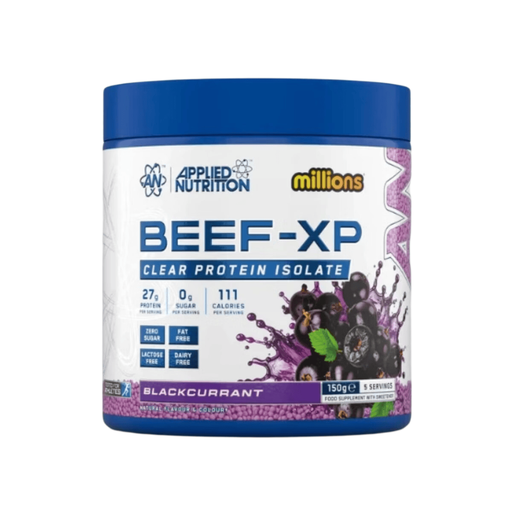
Why it suits this profile: An alternative for adults who don’t want to use whey or soya and are looking for a beef-based protein source.
The ingredients list beef protein isolate as the protein source. If allergies or intolerances are a concern, always check the current label.
According to the product information, a 30-gram serving provides 27.2 grams of protein and less than 0.1 grams of sugar.
We’ve put together a complete, up-to-date list of products that meet these strict selection criteria and the current European safety regulations.
You can have a protein shake after exercise when you need extra protein at that point in the day. The exact timing matters less than your total daily intake and usual diet. Follow the serving instructions on the label, and treat protein powder as a supplement, not a replacement for a varied diet.
Check the use-by date and store the product according to the manufacturer’s instructions. This usually means keeping it tightly sealed in a cool, dry place, away from direct sunlight and moisture. Don’t use the powder if its smell, colour or texture has clearly changed.
Whey isolate contains milk and is therefore not automatically lactose-free. Some varieties contain less lactose than whey concentrate, but the exact composition varies by product. Always check the label. If you have an allergy or persistent symptoms, speak to a doctor or dietitian.
