
Vandaag of morgen in huis

Kwaliteit gegarandeerd

Welkomstaanbiedingen ontgrendelen: GRATIS bezorging | Tot 80% korting | Gratis 30 dagen JoyPlus-proefperiode
Download de app
A protein shake can be a convenient way to add extra protein to your daily diet if you’re into sport, fitness or simply lead an active lifestyle. However, protein powders vary widely in their ingredients, serving sizes, calorie content and intended use. For example, a product with a high amount of protein per serving isn’t automatically the right choice if you’re looking to keep your calorie intake low.
The three most common pitfalls are:
Don’t just look at the number of grams of protein per scoop; check the percentage per 100 grams too. A standard whey blend may contain whey concentrate, whey isolate and hydrolysed whey. According to the product information provided, whey isolate often contains little fat and few carbohydrates per serving.
Examples from the range:
If you’re looking for a plant-based alternative, pay particular attention to the protein source. The standard products mentioned here aren’t vegan. According to the product description, Beef-XP uses beef protein isolate and is intended for people who want to avoid whey or soy.
A protein powder for building muscle isn’t the same as a weight gainer. A regular protein shake often contains around 90 to 130 kcal per serving. A mass gainer is designed to make it easier to increase your overall calorie intake.
Optimum Nutrition Serious Mass products list the following per serving of around 334 grams:
This may suit someone who struggles to get enough calories, but it’s less suitable if you’re mainly looking for a light shake after exercise. Always compare the nutritional values per serving and per 100 grams.
Check the label before buying, especially if you have an allergy or intolerance. Many whey products contain milk and soy. According to the product information, some varieties may also contain traces of egg, gluten, peanuts or nuts.
Also check:
You don’t necessarily need to drink protein powder straight after your final set. What matters most is that the product fits into your overall daily diet. Use it to supplement your diet, not as a replacement for a varied diet.
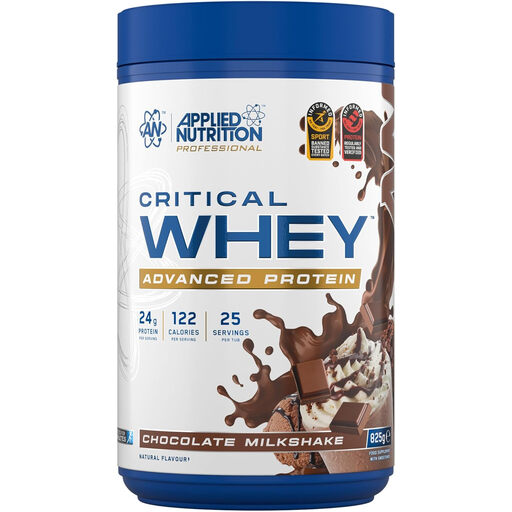
Why it suits this profile: The 825-gram pack is a manageable size if you’re trying protein powder for the first time and don’t want to buy a large supply.
The nutritional information lists around 23.6 grams of protein per 33-gram serving, making it easy to compare with other products.
Whey concentrate, isolate and hydrolysate; available in several flavours; intended for use after exercise or as a high-protein snack.
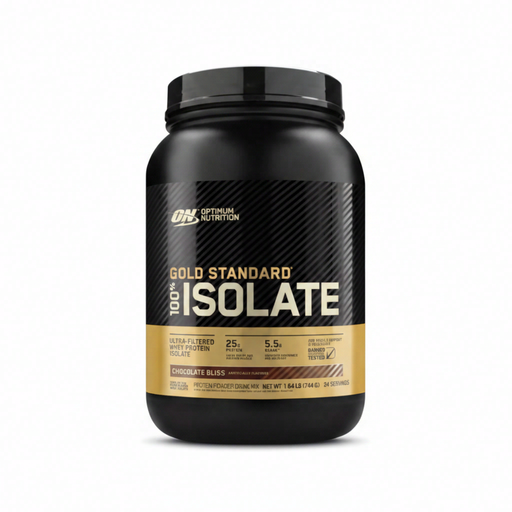
Why it suits this profile: This isolate is aimed at people who want a high-protein shake that’s low in fat and carbohydrates.
The product information lists 25 grams of protein, less than 1 gram of carbohydrates and less than 1 gram of fat per 31-gram serving.
31 servings per pack; whey isolate as the main protein source; around 100 kcal per serving according to the product information.
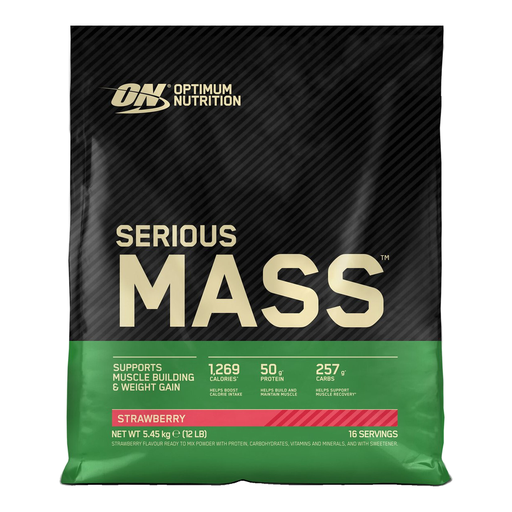
Why it suits this profile: This weight gainer is intended for adults with high calorie needs who are looking for a shake that provides a large amount of energy and carbohydrates.
The very large serving size and high calorie content are clearly stated, making the difference from regular whey protein immediately obvious.
According to the product information, 50 grams of protein and 250 grams of carbohydrates per serving; 16 servings in the pack.
You can have protein powder after exercise, between meals, or mix it into yoghurt, porridge or smoothies. When you take it matters less than your overall protein intake and diet. Always follow the serving instructions on the label and drink plenty of fluids.
If you have a medical condition, take medication, are pregnant or are breastfeeding, discuss using it with a doctor or another qualified healthcare professional. Food supplements are not a substitute for a varied diet.
We’ve put together a complete, up-to-date list of products that meet these strict selection criteria and comply with current European safety regulations.
Whey protein is a type of protein powder made from milk whey. This category includes whey concentrate, whey isolate and hydrolysed whey protein. Protein powder can also come from beef, soy, egg or other sources.
Check the best-before date on the packaging and store the powder in a cool, dry place with the pack properly sealed. Moisture and heat can affect its texture and flavour. Don’t use the product if the packaging is damaged or its smell or appearance has clearly changed.
That depends on the pack size, number of servings and protein source. Divide the purchase price by the number of servings, then compare the protein content per serving too. A large tub isn’t automatically better value if the recommended serving is much bigger.
