
Vandaag of morgen in huis

Kwaliteit gegarandeerd

Welkomstaanbiedingen ontgrendelen: GRATIS bezorging | Tot 80% korting | Gratis 30 dagen JoyPlus-proefperiode
Download de app
Protein powder can be useful when it is not easy to get the amount of protein you want from ordinary food. However, you do not automatically pay for a better formula just because a package uses terms such as “premium”, “fast absorbing” or “muscle formula”. The relevant questions are more practical: which protein source suits you, how much protein do you get per serving and how much do you pay each time you use it?
This applies to adults who do fitness, strength training, bodybuilding or other intensive training, as well as people with an active lifestyle. Vegans, people with a milk allergy and consumers who want to avoid soya also have different selection criteria from someone simply looking for whey protein powder to take after training.
Do not compare the price of the packaging alone. Look at the net weight, serving size and number of servings. A lower-priced product can work out more expensive per gram of protein if the serving contains relatively little protein or a lot of fillers and flavourings.
A small pack, such as a 30-gram sachet, can be useful for trying a flavour or formula first. Larger formats are often more practical for daily use, but always check the expiry date and whether you use the product regularly.
Pay attention to the protein content per serving and per 100 grams. For example, one whey protein may provide around 24 grams of protein per serving, while another formula contains around 20 or 21 grams. Sugar, fat, carbohydrates, sweeteners and allergens can also vary between flavours.
BCAAs occur naturally in protein sources. So an additional mention on the front of the pack does not automatically mean that the product is more suitable for you. Look at the total amount of protein and the ingredients list first.
Whey contains milk, and some products also contain soya as an emulsifier. A vegan protein powder made from plant protein may be a better fit. Beef protein is an alternative for people who want to avoid milk or soya proteins, but make sure you check the full ingredients list and origin information on the label.
Claims about absorption, recovery or performance are not a guarantee of personal results either. According to the manufacturer's product description, protein can contribute to the growth and maintenance of muscle mass as part of a varied diet and active lifestyle. Use this information as a starting point, not a promise.
First, choose between:
As well as the ingredients, check the allergen information. Products may be made in a factory that also processes milk, soya, gluten, eggs, nuts or peanuts.
A serving of around 25 to 33 grams is common, but the amount of powder is not the same as the amount of protein. For example, a product may provide 24 grams of protein in a 30- or 32-gram serving. Also check how much water or milk is recommended. Most of the shakes mentioned are mixed with around 180 to 400 millilitres of liquid.
Use protein powder as a supplement to your daily diet. It is not a replacement for a varied eating pattern. If you follow a specific diet plan, take medication or have a medical condition, you may wish to consult a doctor or dietitian before use.
Powder is convenient at home, on the go or after training. Sachets are easy to manage by serving, while a large tub generally requires less packaging per use. A neutral formula, such as an unsweetened hybrid protein or unflavoured L-arginine powder, can be added to a smoothie or recipe.
The exact timing of a protein shake is mainly a matter of routine and total protein intake. Protein powder after training can be practical when you cannot eat a meal straight away, but you do not have to base your choice solely on the term “post-workout”.
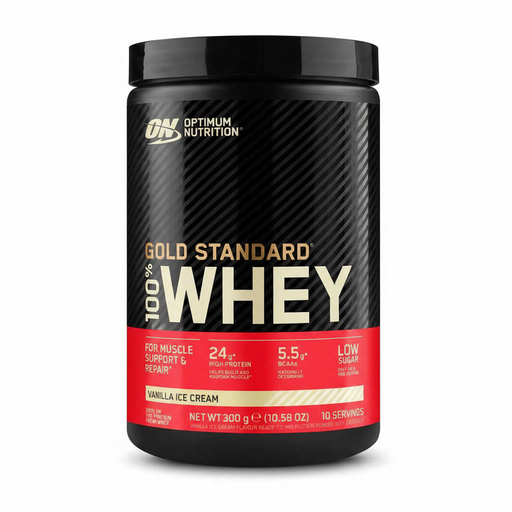
Why it suits this profile: The 300-gram format is manageable if you are using whey protein powder for the first time. The product description states that it provides around 24 g of protein per serving of approximately 32 g.
You can try the flavour and mixability first without immediately buying a supply of several kilos. Do bear milk and soya allergens in mind.
Whey blend with isolate, concentrate and hydrolysed whey; approximately 119 kcal and 24 g of protein per serving.
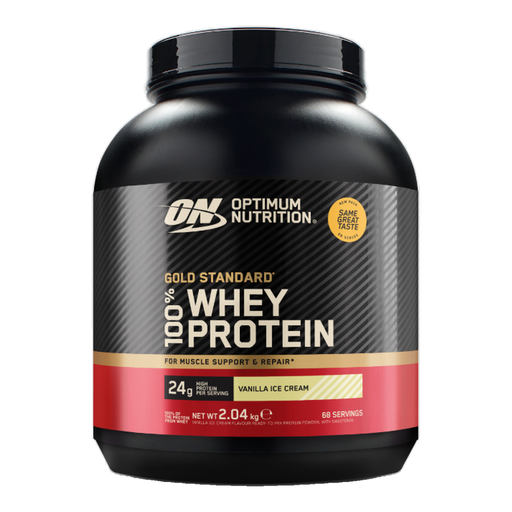
Why it suits this profile: This large format is intended for regular users who prepare a protein shake several times a week and are looking for a consistent whey formula.
The nutritional values are listed per serving and per 100 grams. This allows you to compare sugar, fat and protein without relying solely on the front of the pack.
2.04 kg contents; approximately 24 g of protein per serving; suitable for mixing with water or milk according to the product information.
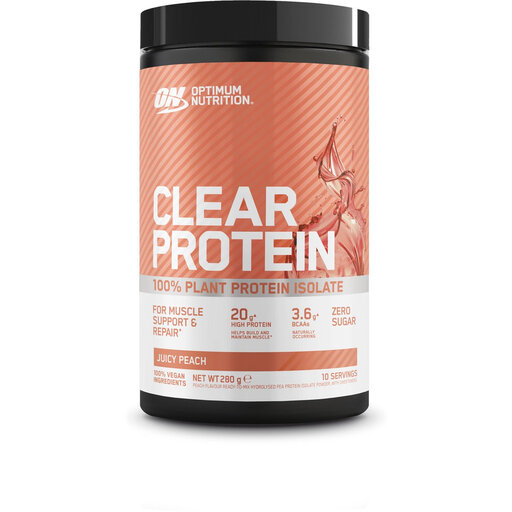
Why it suits this profile: According to the product description, this peach flavour is 100% plant-based, sugar-free and suitable for vegans. It provides 20 g of protein per 28 g serving.
The protein source and vegan status are clearly stated. However, check the warning that the production site also processes milk, gluten, eggs, soya, nuts and peanuts.
20 g of protein per serving; 280 g contents; mix with 600 ml of cold water.
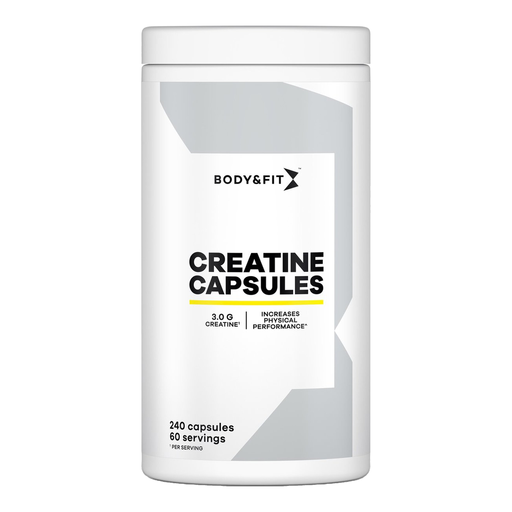
Why it suits this profile: This is not a protein powder, but a separate creatine supplement for athletes who prefer capsules to powder. The product information states that four capsules should be taken per day.
The dosage is precise: 750 mg of creatine monohydrate per capsule and 3,000 mg per daily serving. This means you do not have to estimate a scoopful.
240 capsules; 100% creatine monohydrate according to the product description; no allergens declared.
We have put together a complete, up-to-date list of products that fully meet these strict selection criteria and the applicable European safety regulations.
You can use a protein shake after training as a convenient supplement when a normal meal is not immediately practical. The product descriptions of the whey products mentioned recommend using them after exercise or throughout the day. Your total daily protein intake and normal diet remain more important than one specific time.
Check the best-before date and batch number on the packaging. Store the powder according to the label: usually tightly sealed, in a cool, dry place and away from direct sunlight. Use a dry scoop and close the tub after every serving. Changes in smell, colour or texture are reasons not to use the product any longer.
Calculate the price per serving by dividing the purchase price by the number of servings. Then also compare the number of grams of protein per serving. A large format can offer better value with regular use, while sachets may be more affordable if you want to avoid waste and an unsuitable purchase. Check the current price, contents and serving size before buying protein powder.
