
Vandaag of morgen in huis

Kwaliteit gegarandeerd

Welkomstaanbiedingen ontgrendelen: GRATIS bezorging | Tot 80% korting | Gratis 30 dagen JoyPlus-proefperiode
Download de app
Buying a tub of protein powder seems simple, until you compare the nutritional values, ingredients and serving sizes. An eye-catching label does not always tell you what you need to know. For example, a product may show a high protein content per 100 grams, but have a small serving size. Terms such as whey isolate, fast absorption and low sugar are only useful when you understand what they mean in practice.
The three most common pitfalls:
Only looking at the protein percentage
Also check the amount of protein per serving, the number of servings and the cost per shake.
Choosing a protein source that does not suit your diet
Whey protein and casein protein come from milk. Vegan protein powder made from peas and rice is better suited to a plant-based diet, but it may have a different taste and texture.
Confusing marketing claims with a complete nutritional solution
Protein powder is a supplement to your daily diet. It does not replace a varied eating pattern. Claims about its effects should also always be assessed using the product information and label.
A practical comparison starts with the nutrition table. Many products provide around 20 to 25 grams of protein per serving. That does not automatically mean they are equivalent: serving sizes can vary, for example, from 25 to 36 grams.
Pay attention to these points:
A formula containing 90 grams of protein per 100 grams leaves relatively little room for other ingredients. Applied Nutrition ISO-XP Chocolate, for example, lists 22.5 grams of protein per 25-gram serving, with very low levels of carbohydrates and fat according to the supplied product information.
Whey protein is a milk-based protein source. A whey blend may contain whey concentrate, whey isolate and hydrolysed whey. A whey isolate generally contains a higher proportion of whey protein and less carbohydrate and fat than many standard blends, but always check the table for the specific flavour.
Casein protein is often chosen as a protein source for the evening or between meals. The product information for Optimum Nutrition Gold Standard Casein lists 24 grams of protein per serving and recommends using it before bed or between meals. The product contains milk and is not vegan.
Vegan protein powder may use pea and rice protein, for example. A combination of different plant-based sources can suit vegetarians and vegans. However, always check for possible traces of milk, soya, gluten, egg, nuts and peanuts.
Alternatives such as beef protein are also available. Applied Nutrition Beef-XP lists 27.2 grams of protein per 30-gram serving and a recipe based on beef protein isolate. This may be of interest to people who want to avoid whey or soya, but read the label carefully when allergies or intolerances are a concern.
A protein shake you do not enjoy will ultimately remain unused in the cupboard. Chocolate, vanilla and strawberry are familiar flavours, but the sweeteners, thickeners and protein source used all affect the texture.
Clear protein is usually lighter and fruitier than a milky shake. According to the product description, Optimum Nutrition Clear Protein 100% Plant Protein Isolate Peach provides 20 grams of protein per 28-gram serving, contains no sugar and is mixed with 600 ml of cold water. Foam may form after shaking; leaving it to settle briefly is part of the preparation instructions.
For protein powder after exercise, convenience is particularly important: a suitable serving size, clear preparation instructions and a flavour you will want to use regularly. The precise timing matters less than your total daily protein intake and regular meals.
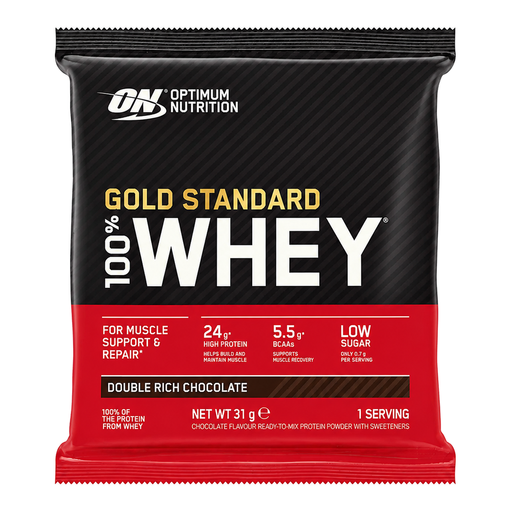
Why it suits this profile: The 30-gram sachet lets you try a serving without immediately buying a large pack. According to the product information, one serving contains approximately 24 grams of whey protein.
You do not have to pay for a large supply of a flavour that may not suit you. The nutritional values and preparation method are clearly stated per serving.
24 grams of protein per serving; instantised powder for water or milk; contains whey isolate, whey concentrate and hydrolysed whey.
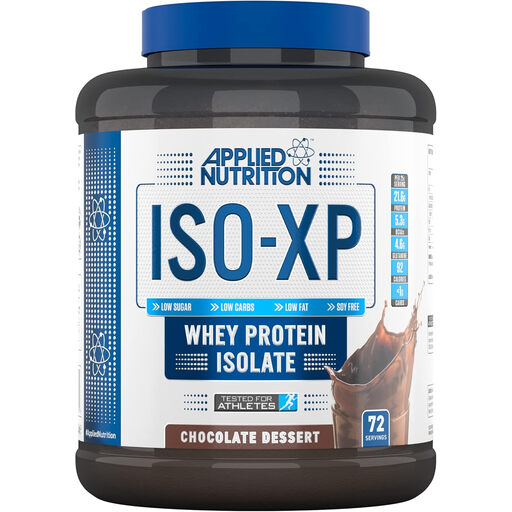
Why it suits this profile: The large pack is designed for regular use. The product information lists 22.5 grams of protein per 25-gram serving and approximately 72 servings per pack.
The ratio between serving size and protein content is immediately clear. However, check the current packaging, as recipes and nutritional values may change.
Whey isolate as the main ingredient; approximately 0.1 grams of carbohydrate and 0.4 grams of fat per serving according to the supplied table.
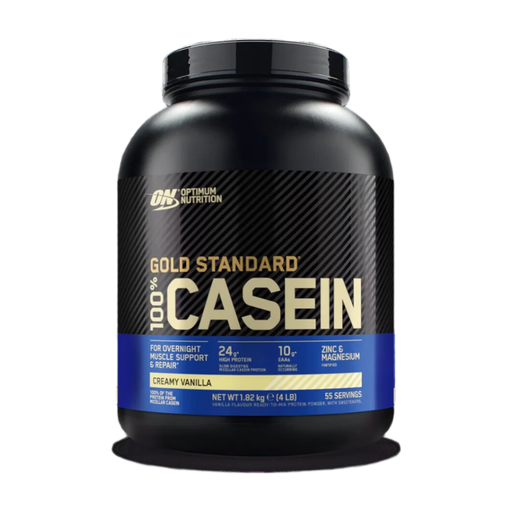
Why it suits this profile: Casein protein is suitable for users looking for a protein shake before bed or between meals. The product description lists 24 grams of protein per serving.
Its intended use is clearly described, so you do not have to buy a fast-mixing whey product for a time when you are looking for a different texture.
24 grams of slow-digesting protein per serving; 1,800-gram pack; vanilla flavour; contains milk.
We have put together a complete, up-to-date list of products that fully meet these strict selection criteria and the applicable European safety regulations.
Not necessarily. You can also increase your protein intake through ordinary foods. Protein powder is particularly convenient when you want to add a serving quickly after exercise, while travelling or between meals. According to permitted EU information, protein contributes to the growth and maintenance of muscle mass. Your overall diet and training routine remain decisive for your results.
Compare the ‘of which sugars’ line per serving. Whey isolate products and clear protein formulas may list a low amount of sugar, but this varies by flavour. According to the product information, Optimum Nutrition Clear Protein Peach is listed as sugar-free. Always check the current label and also pay attention to sweeteners and carbohydrates.
Follow the best-before date and store the powder in a cool, dry place, tightly sealed and away from direct sunlight and moisture. Always use a dry scoop. If it develops an unusual smell, moisture-related clumps or a changed taste, it is best not to use the product. In the case of allergies or intolerances, the current label on the packaging should be used as your guide.
