
Vandaag of morgen in huis

Kwaliteit gegarandeerd

Welkomstaanbiedingen ontgrendelen: GRATIS bezorging | Tot 80% korting | Gratis 30 dagen JoyPlus-proefperiode
Download de app
Protein powder can be a convenient addition if you exercise regularly, have little time to cook or want to increase your daily protein intake. However, many buyers pay for features that do not match their goals. Eye-catching packaging, a long list of amino acids or a high number of servings do not, on their own, say much about whether a product is suitable.
As a Joybuy Product Recommendation Officer, I therefore focus primarily on verifiable information: the amount of protein per serving, the protein source, sugar and fat content, allergens and the recommended serving size.
Do not compare the price of the packaging alone. Look at the number of servings and the amount of protein per serving. A product containing 2 kg of powder may contain less protein per scoop than a smaller pack with a higher protein percentage.
If useful, calculate the price per 20 or 25 grams of protein. This allows you to compare whey protein, whey isolate and other protein powders on a more consistent basis.
Whey protein may consist of whey concentrate, whey isolate or a combination of the two. Concentrate generally also contains more carbohydrates and fat than isolate, but the exact values vary by product. Always check the nutrition table.
A product containing whey isolate is not automatically necessary for every athlete. For many users, a blended whey formula is sufficient to add extra protein to their diet.
A protein powder with little sugar may still contain carbohydrates or sweeteners. Check the table per serving rather than relying only on the front of the packaging. Also look out for milk, soya, gluten, egg, tree nuts and peanuts if you have an allergy or intolerance.
Vegan protein powder also deserves an extra check: “plant-based” does not automatically tell you which protein source has been used. According to the product information, the product below contains 100% plant-based protein isolate.
For a fair comparison, look at both values. A product may provide 25 grams of protein per scoop but still have a lower protein percentage because of its large serving size. For example, Optimum Nutrition Gold Standard Whey lists approximately 24 to 25 grams of protein per serving of around 30 grams, depending on the variant.
Applied Nutrition ISO-XP lists 22.5 grams of protein per 25-gram serving and 90 grams per 100 grams according to the supplied nutritional information. Serving size is therefore relevant when comparing costs and nutritional values.
Whey protein comes from milk and is therefore not suitable for people who need to avoid dairy ingredients. Many whey products also contain soya as an emulsifier. Check warnings about production facilities where gluten, egg, tree nuts or peanuts are handled.
For a plant-based option, Optimum Nutrition Clear Protein 100% Plant Protein Isolate lists 20 grams of protein per 28-gram serving. The product information also states that it is vegan-certified and contains zero grams of sugar, but warns that it is made in an environment where milk, gluten, egg, soya and tree nuts, among other allergens, are processed.
If you are mainly looking for extra protein, you will usually want a product with relatively low sugar and calorie content. If you struggle to consume enough calories, you could consider a mass gainer. This is not an ordinary protein shake: Serious Mass Cookies & Cream lists 50 grams of protein, approximately 250 grams of carbohydrates and around 1,269 to 1,292 kcal per serving.
A product like this is better suited to a deliberate calorie surplus than to someone who simply wants to supplement their protein intake. Check the very large 334-gram serving size and allergens such as milk, gluten and egg.
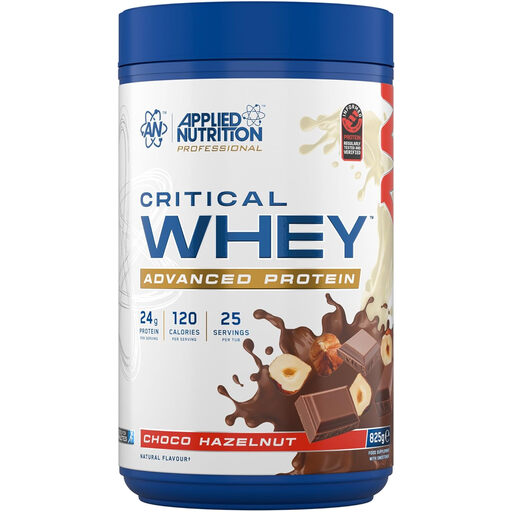
Why it suits this profile: The combination of whey concentrate, whey isolate and hydrolysed whey protein offers a practical starting point for anyone who wants to combine different protein sources.
The product information lists approximately 20 grams of protein per 30-gram serving and shows the nutritional values per serving and per 100 grams.
825 grams of product, three types of whey in the blend and, according to the label, calcium, phosphorus, potassium and copper.

Why it suits this profile: This whey isolate is aimed at users who prioritise a high protein percentage and low sugar and fat content per serving.
The product information specifies 25 grams of protein, less than 1 gram of carbohydrates and less than 0.5 grams of sugar and fat per 31-gram serving.
930 grams of product, approximately 31 servings and whey protein isolate as the only listed protein source.
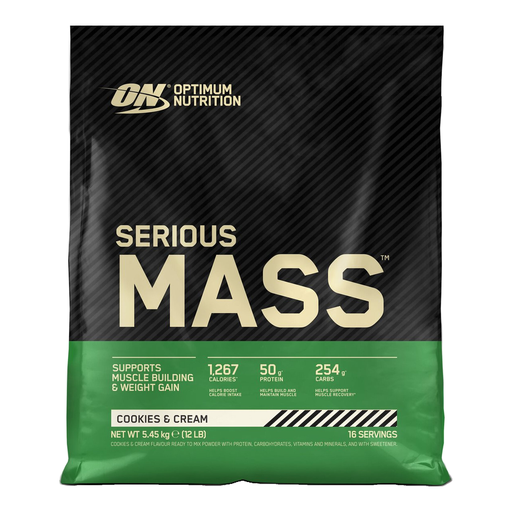
Why it suits this profile: This mass gainer is intended for adults who want to consume plenty of extra calories and carbohydrates alongside protein.
The product information makes it clear that a full serving is 334 grams. This allows you to adjust your calorie intake deliberately rather than using it as an ordinary protein shake.
According to the product information, 50 grams of protein, approximately 250 grams of carbohydrates and around 1,269 to 1,292 kcal per serving.
We have put together a complete, up-to-date list of products that fully meet these strict selection criteria and the applicable European safety regulations.
A protein shake can be convenient after exercise, but timing is not the only factor. Your total daily protein intake and usual eating habits are more important. You can also use protein powder at breakfast, between meals or in a smoothie.
Always follow the serving instructions on the label. Mix the powder with the stated amount of water, milk or plant-based drink. Using milk changes the nutritional values of the prepared shake. A supplement is not a substitute for a varied diet.
Pay extra attention to the label when choosing caffeine-containing variants. For example, the Caramel Latte variant of Applied Nutrition Critical Whey lists 100 mg of caffeine per 33-gram serving. This flavour is therefore less suitable if you want to limit your caffeine intake or train late in the day.
Whey isolate often contains relatively little sugar and fat, but always check the current nutrition table. Optimum Nutrition 100% Gold Standard Isolate lists less than 0.5 grams of sugar and less than 1 gram of carbohydrates per serving. However, the product does contain milk and soya.
Not necessarily. Protein powder can help you conveniently supplement your daily protein intake. Under the authorised EU health claim, protein contributes to the growth and maintenance of muscle mass. A suitable training plan, sufficient energy and a varied diet also remain important.
Check the best-before date, batch number and storage instructions on the packaging. Powder should generally be stored in a cool, dry, dark place and kept tightly sealed. Use a dry scoop and stop using the product if its smell, taste or texture changes. If you have allergies or intolerances, always check the label on the packaging supplied before use, as ingredients and instructions may change.
