
Vandaag of morgen in huis

Kwaliteit gegarandeerd

Welkomstaanbiedingen ontgrendelen: GRATIS bezorging | Tot 80% korting | Gratis 30 dagen JoyPlus-proefperiode
Download de app
Buying a tub of protein powder seems simple until you start comparing the labels. One protein shake provides 20 grams of protein per serving, while another provides 30 grams. Some products are mainly designed to add calories, while others contain less sugar and fat. Marketing terms such as “fast absorption”, “premium blend” or “muscle recovery” don’t always tell you what you actually need.
As a Joybuy Product Recommendation Officer, I focus on information you can verify: protein per serving, protein source, calories, serving size, allergens, pack size and intended use. That helps you avoid paying for a product that doesn’t suit your diet.
A product may contain a lot of protein per 100 g but provide little per recommended serving. So always compare the nutritional values per 100 g and per serving. Check the serving size too: a mass gainer may use a scoop weighing hundreds of grams, while a serving of whey protein is usually around 30 g.
Whey isolate typically has a high protein content and relatively little carbohydrate and fat. This can be useful if you want extra protein without many additional calories. However, a regular whey blend containing concentrate and isolate may be more practical and better value for everyday use. The right choice depends on your dietary goals and budget.
A mass gainer is designed to increase your calorie intake. Products such as Serious Mass contain a lot of carbohydrate as well as protein. This may suit adults who find it difficult to consume enough calories, but is less suitable if you’re simply looking for a small boost to your daily protein intake.
Always check for allergens too. Whey, casein and milk protein contain milk. Many products also contain soya as an emulsifier. If you have an allergy or intolerance, check the current packaging.
Whey protein comes from milk and is often used around a workout or as a protein-rich snack. A blend may contain whey concentrate, whey isolate and hydrolysed whey. Whey isolate is filtered further and, according to product information, often contains less fat and carbohydrate.
Casein protein is often chosen between meals or before bed. According to the product description for micellar casein, this type of protein is digested slowly. Treat this as a feature of how it’s used, not a medical effect.
For vegans, vegan protein powder made from ingredients such as pea and rice protein is an alternative. Check the protein content per serving and the ingredients list. “Plant-based” doesn’t automatically mean that a product is free from possible traces of milk, soya, gluten or nuts.
When choosing protein powder for muscle building, it’s useful to check how much protein you’ll actually get in each shake. The available product information shows values ranging from around 20 to 30 grams of protein per serving.
Also check:
A protein shake after exercise is an easy way to add protein to your day. However, you don’t have to use every product straight after training. Many powders can also be used at breakfast, between meals or in porridge.
Check how much liquid is recommended. A whey product, for example, may be mixed with 180–240 ml of water or milk, while casein is often prepared with around 300–360 ml, according to the product information. Using milk increases the total calories and protein.
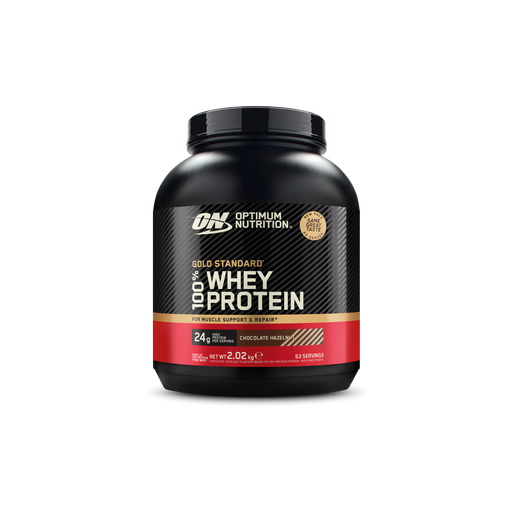
Why it suits this profile: This whey blend is designed for adults who want a simple way to add extra protein to their daily diet. The 2.02 kg pack is practical if you use it regularly.
The product information lists around 24 g of protein per serving of approximately 32 g. This makes it easy to compare the serving size directly with other whey products.
Blend of whey isolate, concentrate and hydrolysed whey; around 117 kcal and 24 g of protein per stated serving.
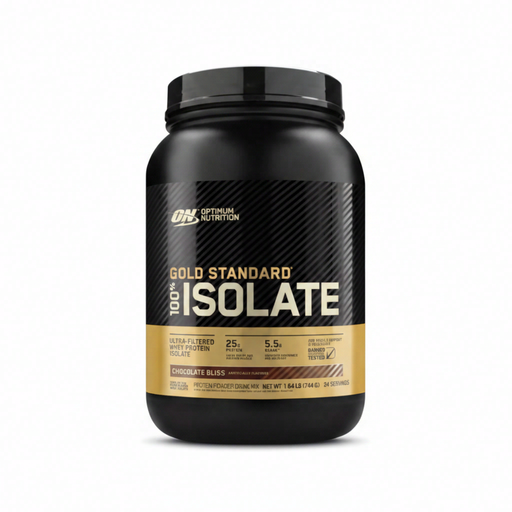
Why it suits this profile: This product is suitable for athletes who want to fine-tune their protein source and macros, for example on intensive training days.
The stated serving is 31 g and contains 25 g of protein, less than 1 g of carbohydrate and less than 0.5 g of fat. Always check the current packaging.
Whey isolate as the primary protein source; 31 servings per pack and around 100 kcal per stated serving.
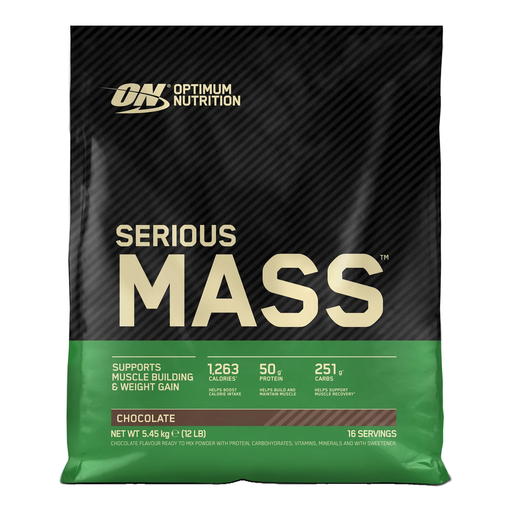
Why it suits this profile: Designed for adults who need plenty of extra calories and carbohydrates as well as protein to gain weight.
The product information lists around 1,250 kcal, 50 g of protein and approximately 250 g of carbohydrate per serving. So it’s clearly not an ordinary whey shake.
High energy content per serving; according to the product information, it also contains creatine, vitamins and minerals.
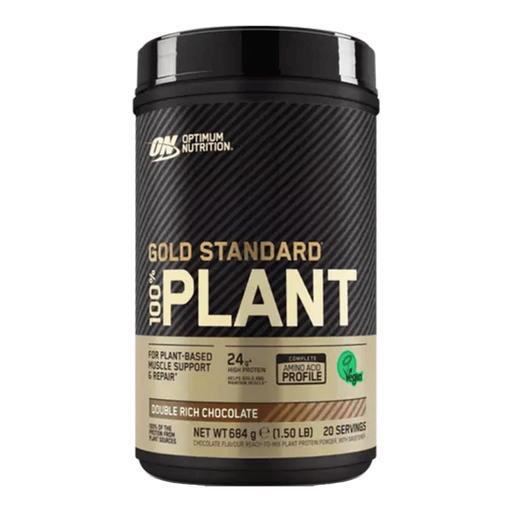
Why it suits this profile: A plant-based blend of pea and rice protein for adults who don’t want to use milk protein.
The ingredients list includes pea and rice protein instead of whey or casein. Even so, check the packaging for possible traces of milk, soya, gluten and nuts.
Around 24 g of plant-based protein per serving; mixes with water or plant-based milk.
We’ve put together a complete, up-to-date list of products that meet these strict selection criteria and the applicable European safety requirements.
You can have a protein shake after exercise as a convenient way to top up your daily protein intake. The exact timing matters less than your overall diet. Follow the serving size on the label, and count the calories if you’re also monitoring your energy intake.
Check the date and store the product according to the instructions on the packaging. This usually means keeping it tightly sealed in a cool, dry place out of direct sunlight. Use a dry scoop and check the powder for changes in smell, colour or texture. If in doubt, don’t use it.
To work out the price per serving, divide the purchase price by the stated number of servings. Then compare the amount of protein per serving too. A larger pack may work out cheaper per serving, but only if you use the product regularly and the serving sizes are comparable.
