
Vandaag of morgen in huis

Kwaliteit gegarandeerd

Welkomstaanbiedingen ontgrendelen: GRATIS bezorging | Tot 80% korting | Gratis 30 dagen JoyPlus-proefperiode
Download de app
Choosing protein powder may seem straightforward, but packaging often uses terms that tell you little about what you are actually buying. A high protein percentage does not automatically mean that the flavour, ingredients or serving size will suit the way you use it. A large pack can also be poor value if you quickly get tired of the powder or rarely use it.
For Dutch athletes, these are the main pitfalls to watch out for:
Whey protein powder is made from milk and is commonly available as whey concentrate, whey isolate or a combination of the two. A blend may contain whey isolate, whey concentrate and hydrolysed whey, for example. Protein content and nutritional values vary by product and flavour.
Vegan protein powder is usually based on plant protein, such as pea or rice protein. Check that the product is actually labelled as vegan and review the information about possible cross-contamination. For example, the Optimum Nutrition Clear Protein product in peach flavour states that it provides 20 grams of protein per 28-gram serving, 3.6 grams of naturally occurring BCAAs and no sugar. According to the product information, it is vegan and approved by the Vegan Society. It is produced in a facility that also processes milk, gluten, soya, nuts and peanuts, among other ingredients.
A beef protein product can be an alternative for consumers who avoid whey or soya. Applied Nutrition Beef-XP states that it provides 27.2 grams of protein per 30-gram serving, with very low levels of fat and sugar. If you have allergies, always check the current packaging.
Do not compare only the protein percentage. Also check the nutritional value of a typical serving. Here are some examples from the product information:
If you are looking for protein powder for muscle growth, you should therefore also consider your overall diet. A standard whey shake is better suited to supplementing your protein intake, while a weight gainer is intended for people who deliberately want to consume extra calories.
A large tub may offer a lower price per serving, but it is not always practical. Pay attention to the number of servings, the best-before date and the amount of storage space the packaging requires. Sachets are useful for work, travel or trying a flavour before buying a larger pack. A ready-to-drink protein shake is even more convenient, but usually less flexible than powder.
For protein powder after exercise, convenience is particularly important: mixability, serving size and portability determine whether you will actually use the product. Recommended timing varies according to the product information; a protein shake can also be used as a protein-rich snack or added to breakfast.

Why it suits this profile: The 300-gram pack is a convenient way to try whey protein without immediately buying a large supply.
The product information states that there are 24 grams of protein per serving of approximately 30 grams. This allows you to check the serving size and nutritional value straight away.
Whey blend with isolate, concentrate and hydrolysed whey; approximately 24 grams of protein per serving.

Why it suits this profile: This option is aimed at consumers looking for a whey isolate with low levels of carbohydrates and fat.
The product specification explicitly names the protein source: whey protein isolate. It lists 25 grams of protein per 31-gram serving.
25 grams of protein per serving; less than 1 gram of carbohydrates and less than 0.5 grams of fat according to the product information.
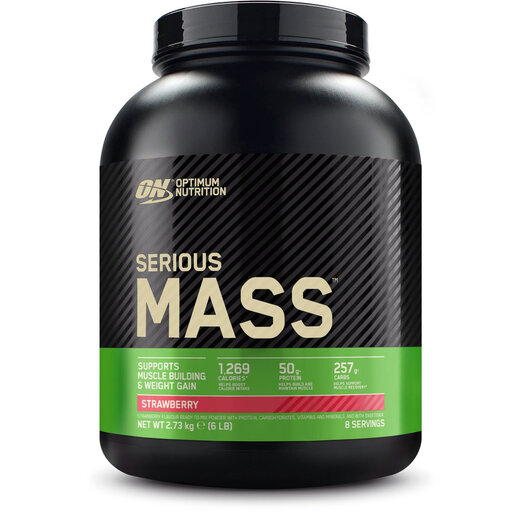
Why it suits this profile: This weight gainer is intended for adults who want to deliberately add extra calories and carbohydrates as well as protein.
The nutritional values make it clear that this is not an ordinary whey shake: according to the product information, one serving contains approximately 50 grams of protein and 250 grams of carbohydrates.
Large 2.73 kg pack; the product information states approximately 1,269 to 1,292 kcal per serving.
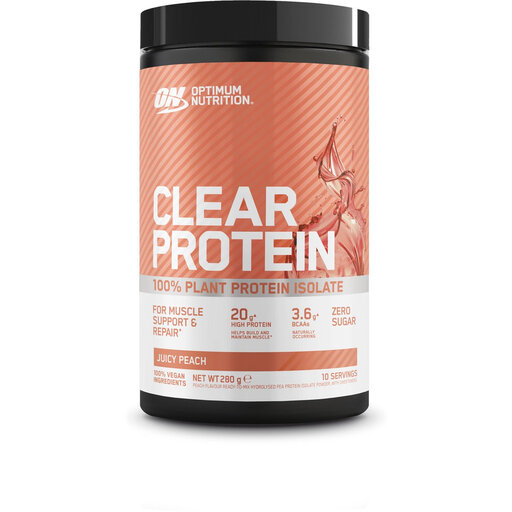
Why it suits this profile: A dairy-free, plant-based option with a light peach flavour and ten servings, suitable for anyone who does not want a creamy whey shake.
The product description states that it contains 100% plant protein isolate, is suitable for vegans and contains no sugar. Always check allergens on the current label.
20 grams of protein per 28-gram serving; 280 grams of product and approximately ten servings.
We have compiled a complete, up-to-date list of products that fully meet these strict selection criteria and the applicable European safety regulations.
You can have a protein shake after exercise, at breakfast or as a protein-rich snack. The most important thing is that the product fits into your overall daily diet. Product labels state the recommended serving and maximum daily amount.
Store powder according to the instructions on the packaging: usually tightly sealed, in a cool, dry place away from direct sunlight. Check the best-before date and batch number on the packaging. Once opened, moisture and heat can affect the quality.
That depends on the serving size, packaging and ingredients. Powder is usually more flexible because you can choose whether to mix it with water or milk. Ready-to-drink shakes, such as a 330 ml bottle, are more convenient when you are out and about but take up more storage space. So compare the price per serving and the number of grams of protein per serving, not just the price of the pack.
Check the protein source, allergens, sugar, calories and recommended serving size. If you want to follow a plant-based diet, choose a product clearly labelled as vegan. If you need extra energy, you could consider a weight gainer, but it contains considerably more carbohydrates and calories than standard protein powder.
