
Vandaag of morgen in huis

Kwaliteit gegarandeerd

Welkomstaanbiedingen ontgrendelen: GRATIS bezorging | Tot 80% korting | Gratis 30 dagen JoyPlus-proefperiode
Download de app
Protein powder can be useful if you find it difficult to meet your daily protein needs through your usual diet. However, not every product is right for every goal. Whey protein for after a workout, for example, has a different make-up from a weight gainer designed to provide extra calories. Flavour, serving size, allergens and the number of servings can also make a big difference in practice.
These are some common pitfalls:
Whey concentrate contains small amounts of fat and carbohydrates as well as protein. Whey isolate is filtered further and, according to product information, often contains less fat and fewer carbohydrates. A blend may contain whey isolate, whey concentrate and hydrolysed whey.
Don’t just compare the number of grams per serving. Also check:
The products mentioned contain around 20 to 25 grams of protein per serving in a standard protein shake. This can work well for topping up your daily protein or having protein powder after a workout. The permitted EU claim that protein contributes to the growth and maintenance of muscle mass may only be used when the conditions for the claim are met. The product is not a substitute for a varied diet.
Many athletes looking to support muscle growth and recovery search for protein powder for muscle growth, but your overall diet and training routine remain key. A standard whey product is a practical choice if you want extra protein with relatively few calories.
A weight gainer has a different formulation. According to the product description, Optimum Nutrition Serious Mass Cookies & Cream provides 50 grams of protein, 250 grams of carbohydrates and around 1,269 to 1,292 kilocalories per serving. The recommended serving is 334 grams, giving you 16 servings in the 5.45 kg pack. This is mainly relevant if you deliberately need extra calories. If you’re trying to limit your calorie intake, such a large serving may not be practical.
A product that’s difficult to mix or has a flavour you quickly tire of may end up going unused. So check the recommended amount of liquid and the preparation instructions. Most powders are mixed with water or milk in a shaker.
A protein shake made with water has different nutritional values from the same shake made with milk. So if you’re tracking calories or macros, remember to include anything you add. According to the product information, clear whey such as Lucovitaal Pure Clear Whey Powder is mixed with around 250 ml of water and contains 20 grams of protein per serving of approximately 25 grams. The ingredients include hydrolysed whey protein isolate and sweeteners.
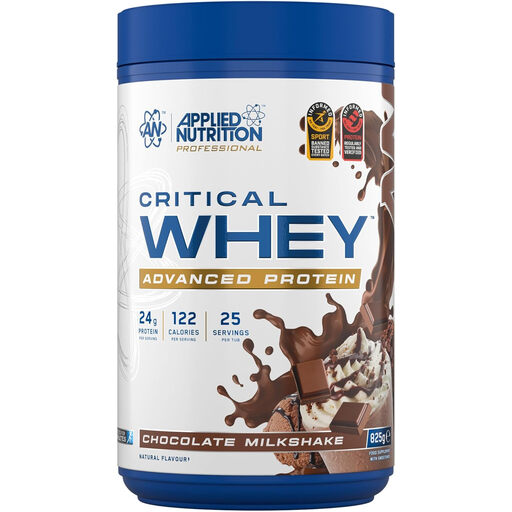
Why it suits this profile: The 825-gram pack is a manageable size if you’re trying protein powder for the first time. According to the product information, a 30-gram serving provides around 20 grams of protein.
The nutritional values are listed per 100 grams and per serving. This lets you compare protein content without relying solely on the front of the pack.
A blend of whey concentrate, whey isolate and hydrolysed whey; available in an 825-gram pack.

Why it suits this profile: This product is aimed at anyone who values a high proportion of whey isolate and clearly defined serving sizes.
The product information lists 25 grams of protein per 31-gram serving, with less than 1 gram of carbohydrates and 0.5 grams of fat per serving.
930 grams, 31 servings and whey protein isolate as the main ingredient. Contains milk and soya.
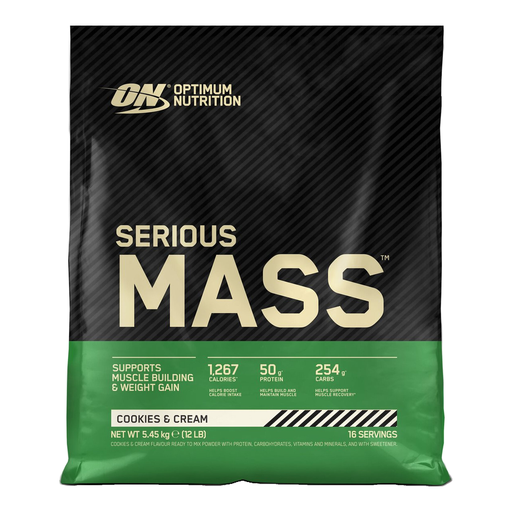
Why it suits this profile: This weight gainer is for adults looking for plenty of extra calories and carbohydrates as well as protein.
The large serving size and calorie content are clearly stated. This makes it easy to see upfront that this isn’t a standard protein shake.
50 grams of protein and 250 grams of carbohydrates per stated serving; 5.45 kg pack with 16 servings.
We’ve put together a complete, up-to-date list of products that meet these strict selection criteria and the applicable European safety requirements.
Not necessarily. Protein powder is a convenient way to top up your intake if your daily diet doesn’t provide enough protein, or if a shake is easier to have on the go. Start by looking at your overall diet. A supplement is not a substitute for a varied diet.
Standard whey, whey isolate or protein powder can be suitable if you want to add extra protein to a diet that supports strength training. Compare the protein content per serving, the calories and the ingredients. The term “muscle growth” doesn’t automatically make a product right for you.
According to the label, whey isolate often contains less lactose than whey concentrate, but it isn’t automatically lactose-free. So always check the allergen and ingredients information. A beef protein product such as Applied Nutrition Beef-XP does not list milk as an ingredient, according to the ingredients provided. If you have an allergy or intolerance, still check the packaging and warnings before use.
