
Vandaag of morgen in huis

Kwaliteit gegarandeerd

Welkomstaanbiedingen ontgrendelen: GRATIS bezorging | Tot 80% korting | Gratis 30 dagen JoyPlus-proefperiode
Download de app
A tub of protein powder seems easy to compare: look at the flavour, the amount of protein and the price. But many people who exercise pay for features that add little to their everyday diet. Allergens, an inconvenient serving size or a high calorie content can also mean a product isn’t right for the way you plan to use it.
This buying guide will help you compare whey protein, protein powder, vegan protein powder and mass gainers in practical terms. The selection below is based on verifiable information such as protein source, nutritional values, serving size and usage guidance.
A product with 90 grams of protein per 100 grams might seem appealing, but the serving size, flavourings and overall nutritional values matter too. So don’t just compare the percentage on the packaging. Look at:
Whey isolate often contains relatively little carbohydrate and fat, while whey concentrate usually has a different nutritional profile. That doesn’t mean one source is automatically right for everyone.
Whey, soya and other protein sources naturally contain amino acids, including BCAAs. So a separate mention of BCAAs doesn’t automatically mean a product is better suited to muscle growth. Check the total protein content and ingredients first.
According to the product information provided by the brands mentioned, the BCAAs occur naturally in the protein sources used. Treat this as additional information, not the only reason to buy.
Check the ingredients list if you want to avoid milk, soya or other allergens. A plant-based protein powder may contain soya or pea protein, for example. A product containing lactase isn’t automatically lactose-free or suitable for everyone with lactose intolerance.
Always refer to the product packaging and current ingredients list, as recipes and allergen information can change.
Whey protein comes from milk and is often available as:
If you want to avoid animal-derived ingredients, you can choose vegan protein powder or plant-based protein. Check that the flavour, mixability and allergens suit your preferences. Soya protein, for example, can provide a high amount of protein per serving, but isn’t suitable if you have a soya allergy.
A practical comparison:
Check the mixing instructions too. Some products are mixed with 180–240 ml of water, while the Clear Protein variant calls for around 600 ml of cold water. This affects the amount of drink you’ll make, its texture and how easy it is to take with you.
For extra protein with a regular meal or as a post-workout protein powder, products with around 100–120 kcal per serving are often a better fit than a mass gainer. If you deliberately want to increase your calorie intake, a weight-gain product may be worth considering.
The Serious Mass variants list around 50 grams of protein, 250 grams of carbohydrate and approximately 1.269–1.292 kcal per full serving. That’s a very different use from a standard protein shake. Before having a large serving, check whether you really need the extra energy.
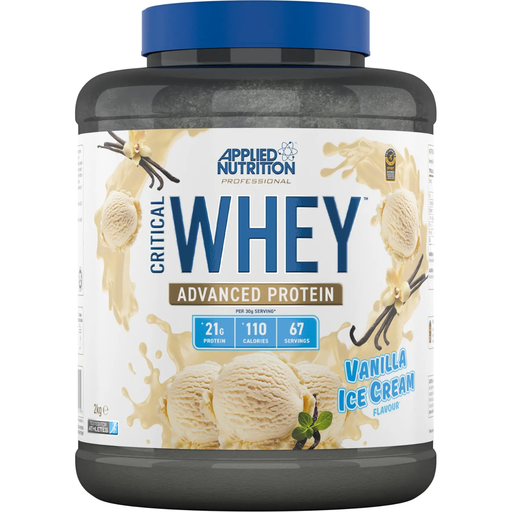
Why it suits this profile: The 2 kg pack is practical if you use protein shakes regularly and don’t want to keep buying small tubs. It lists 21 grams of protein per 30-gram serving.
The product information clearly lists the serving size, nutritional values and protein blend. This makes it easier to assess the price per serving, rather than looking only at the price of the tub.
30 grams per serving, around 21 grams of protein, combining whey concentrate, isolate and hydrolysed whey.

Why it suits this profile: This variant is a good fit if you’re looking for a whey isolate with a stated serving of 25 grams of protein and, according to the product information, little sugar and fat.
According to the label, it’s made with whey protein isolate, without a long blend of different protein sources. It does contain milk and soya allergens.
25 grams of protein per 31-gram serving, around 31 servings per pack and less than 1 gram of carbohydrate according to the information provided.
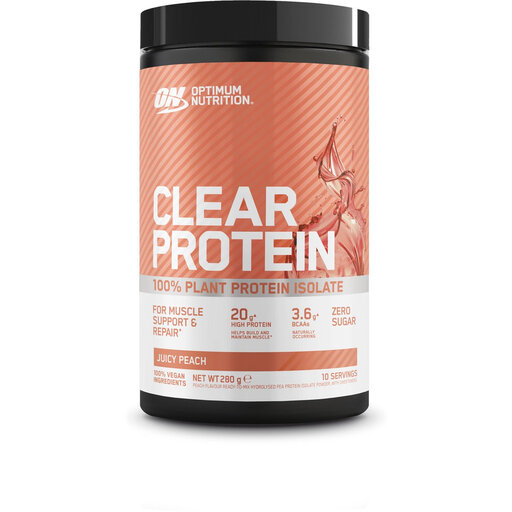
Why it suits this profile: The product specifications describe a 100% plant-based protein isolate, suitable for vegans, with 20 grams of protein per 28-gram serving.
The description clearly states the protein source and vegan claim. If you have allergies, still check the warning that the product is made in a facility that also handles milk, soya and nuts, among other ingredients.
20 grams of protein per serving, no sugar according to the product information, and a peach flavour mixed with around 600 ml of cold water.
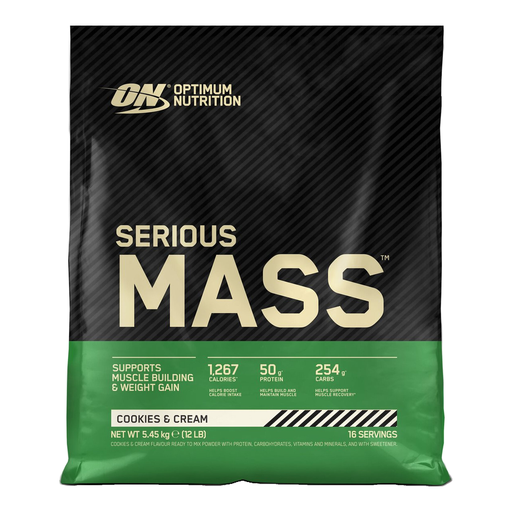
Why it suits this profile: This isn’t a standard protein shake. It’s a mass gainer for adults who want to deliberately add extra calories and carbohydrate to their diet.
The large serving size is clearly stated. This helps you avoid accidentally buying a high-calorie, high-carbohydrate gainer when all you’re looking for is extra protein.
According to the product information, around 50 grams of protein, 250 grams of carbohydrate and 1.269–1.292 kcal per full serving.
We’ve put together a complete, up-to-date list of products that meet these strict selection criteria and the applicable European safety regulations.
Follow the recommended serving size on the label and think of protein powder as a supplement to a varied diet. A shake can be convenient after exercise, but the exact timing matters less than your total daily protein intake and overall diet.
Also remember to:
No. Protein powder is a convenient way to add extra protein, but it isn’t essential. A regular meal containing protein-rich ingredients can serve the same purpose in your diet. Choose a shake if convenience, portability or portion control matters to you.
Follow the best-before date and storage advice on the packaging. Close the tub straight after use and keep moisture out of the powder. A change in smell, flavour or colour, or a lumpy texture, may be a reason to stop using the product.
The cost per shake depends on the pack size, number of servings and protein content. Divide the purchase price by the number of recommended servings, then compare the amount of protein per serving too. A larger pack isn’t automatically better value if you don’t enjoy the flavour or the product doesn’t suit your needs.
