
Vandaag of morgen in huis

Kwaliteit gegarandeerd

Welkomstaanbiedingen ontgrendelen: GRATIS bezorging | Tot 80% korting | Gratis 30 dagen JoyPlus-proefperiode
Download de app
Buying a tub of protein powder seems straightforward, until you look at the label. One shake provides 20 grams of protein per serving, while another provides 25 grams. Some products contain milk or soya, whereas others are entirely plant-based. Serving size, flavourings and price per serving can also vary considerably.
For adults who do fitness, strength training or want to supplement their daily protein intake, the choice is therefore not just about the packaging. Pay particular attention to the protein source, nutritional value and when you intend to use it.
A high protein percentage per 100 grams does not tell you everything. Also check how much protein you actually get per serving and how large that serving is. In practice, a 30-gram scoop containing 24 grams of protein may be more appealing than a product with a higher percentage but a smaller or unclear serving size.
Also check the amount of sugar, fat, carbohydrates and salt. These values can vary between flavours in flavoured products.
Whey protein, or whey, comes from milk. Whey concentrate generally contains more of the other components of milk than whey isolate. Whey isolate is further concentrated and is often chosen by athletes who want relatively little fat and carbohydrate per serving.
Neither option is automatically suitable for a vegan diet. Always check the ingredients and allergens. A product containing whey contains milk; some formulas also contain soya as an emulsifier.
A large tub is not always better value. Work out the cost per serving and check the number of servings. A 280-gram pack with 10 servings will last for a different length of time than a 2-kilogram bag.
Flavour matters too. An affordable product that you do not enjoy drinking will ultimately remain unused in the cupboard. A smaller pack or a bundle containing sachets can therefore be useful for trying a flavour first.
Start by choosing according to your diet:
The products in this selection provide approximately 20 to 27 grams of protein per serving. This makes them easy to compare, but pay attention to the recommended amount of powder. Applied Nutrition Critical Whey, for example, lists approximately 21.9 grams of protein per 30-gram serving, while Optimum Nutrition Gold Standard Whey provides around 24 grams per serving.
The official EU claim that protein contributes to the growth and maintenance of muscle mass may only be used in accordance with the conditions set out in the regulations. Treat protein powder as a supplement to your normal diet, not as a replacement for a varied eating pattern.
Check the label carefully if you need to avoid milk, soya, gluten, eggs or nuts. Products may also be made in a factory that processes other allergens.
Also look out for added sweeteners. According to the product information, the 2-kilogram Caramel Latte version of Applied Nutrition Critical Whey contains 100 mg of caffeine per 33-gram serving. This may be relevant if you already drink coffee or use a pre-workout supplement. Choose a caffeine-free option if you want to use the protein powder at several points throughout the day.
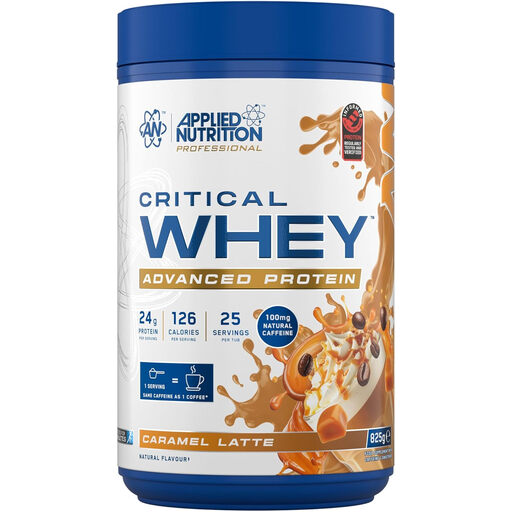
Why it suits this profile: A practical whey formula for anyone looking for a generous pack without immediately choosing the largest size. The product lists approximately 21.9 grams of protein per 30-gram serving.
The product information clearly states the serving size, protein value and allergens. It contains milk and soya, so this is important to check in advance.
A combination of whey concentrate, whey isolate and hydrolysed whey; suitable for a protein shake after exercise or as a snack.

Why it suits this profile: According to the product information, this whey isolate provides 25 grams of protein per 31-gram serving. It is intended for adults who want to target their protein intake around training.
The serving size and number of servings are clearly stated. The formula contains milk and soya, so check this before buying if you have an allergy or intolerance.
25 grams of protein per serving; according to the product description, less than 1 gram of carbohydrates and less than 0.5 grams of fat per serving.
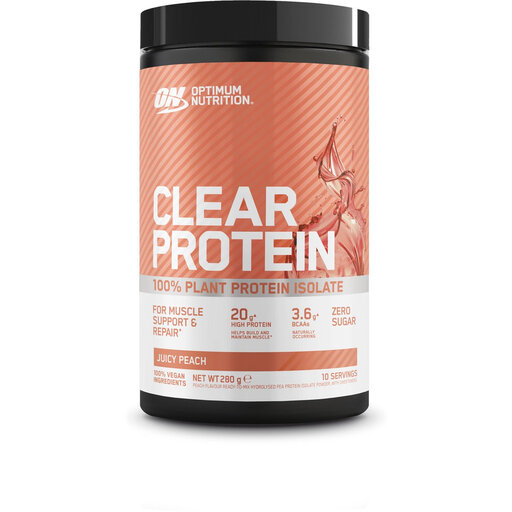
Why it suits this profile: A plant-based alternative for anyone avoiding dairy and whey. The peach flavour mixes with cold water and provides 20 grams of protein per 28-gram serving.
The product description states that it is 100% plant-based, vegan and contains no sugar. However, the manufacturer does state that the product is made in an environment where milk, gluten, soya and nuts, among other ingredients, are processed.
20 grams of protein and 3.6 grams of naturally occurring BCAAs per serving; suitable for vegans and anyone looking for a non-dairy drink.
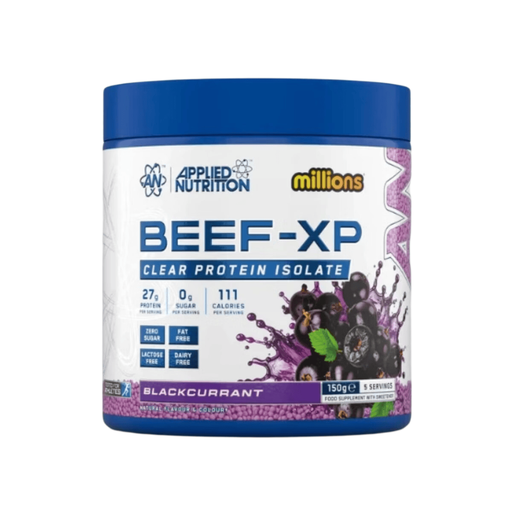
Why it suits this profile: A small pack made with beef protein isolate for adults who want to avoid whey, dairy or soya.
The product information states a 30-gram serving, 27.2 grams of protein and less than 0.1 grams of sugar. Check the current packaging if you have allergies.
27.2 grams of protein per serving; according to the product description, dairy-free and gluten-free. Pack size: 150 grams.
We have put together a complete, up-to-date list of products that fully meet these strict selection criteria and the applicable European safety regulations.
A protein shake can be practical after exercise, between meals or on a busy working day. Always follow the dosage instructions on the label. Many products are mixed with 180 to 400 ml of cold water or milk, depending on the serving size and the consistency you prefer.
Other supplements have a different purpose. Creatine capsules, for example, do not provide protein. According to the product information, Body & Fit Creatine Capsules contain 750 mg of creatine monohydrate per capsule and 3,000 mg per daily serving of four capsules. An electrolyte sports drink or shot is not a replacement for protein powder either. Optimum Nutrition Carb 40G Electrolyte Shot contains carbohydrates and electrolytes, but only a limited amount of protein.
Use supplements as part of a varied diet and do not exceed the recommended daily amount. If you take medication, have a medical condition, are pregnant or breastfeeding, it is advisable to consult a doctor or pharmacist.
This depends on your total protein requirements, diet, body weight and training goals. First consider how much protein you get from your normal meals. Use protein powder only as a practical way to supplement any shortfall, and follow the dosage instructions on the label.
No. Whey protein comes from milk. In that case, choose a product labelled vegan or 100% plant-based, such as a plant protein isolate. Also check the allergen information and the possibility of cross-contamination during production.
The best-before date is shown on the packaging. Store the powder according to the instructions: usually in a cool, dry place away from direct sunlight, with the packaging tightly closed. Keep the supplied measuring scoop clean, and check the product for its smell, colour and any clumping if it has been open for a longer period.
