
Vandaag of morgen in huis

Kwaliteit gegarandeerd

Welkomstaanbiedingen ontgrendelen: GRATIS bezorging | Tot 80% korting | Gratis 30 dagen JoyPlus-proefperiode
Download de app
Buying a tub of protein powder seems simple until you compare the labels side by side. One protein shake contains 20 grams of protein per serving, another 25 grams. The protein source, serving size, sweeteners and allergens can also vary considerably. For UK shoppers, the key is to pay for a formula that suits your diet and training goals, rather than simply for eye-catching packaging.
A high protein percentage per 100 grams does not tell you everything. Also check the serving size. One scoop may weigh 25, 30, 31 or 33 grams. Always compare the amount of protein per serving as well as per 100 grams.
For example, a product providing 24 grams of protein per serving may require more powder than one providing 25 grams per serving. Also check the sugar, fat, carbohydrate content and number of servings per pack.
Whey isolate is a form of whey protein, but it still comes from milk. It is therefore not suitable for vegans or people avoiding dairy. Whey concentrate and whey isolate can also both appear in the same blend.
If you want to buy dairy-free protein, check the full ingredients list. A label such as “light”, “clean” or “premium” is no substitute for allergen information.
Under the authorised European health claim, protein contributes to the growth and maintenance of muscle mass as part of a varied diet and healthy lifestyle. This does not mean that a protein shake causes muscle growth on its own.
Protein powder is mainly a convenient supplement when meeting your daily protein intake would otherwise be difficult. Training, sufficient energy, sleep and regular meals remain key to achieving results.
A practical range in this selection is approximately 20 to 27 grams of protein per serving. According to the product information, Optimum Nutrition Clear Protein provides 20 grams of protein per 28-gram serving. Gold Standard Whey provides approximately 24 grams per serving of around 30 grams. Applied Nutrition Beef-XP lists 27.2 grams of protein per 30-gram serving.
Also consider the total weight. A large pack may appear better value, but only if you enjoy the flavour and use the product regularly. A small pouch or sachet is useful for trying it first.
Check how much water or milk you need to add. The recommended amount ranges from approximately 180 to 600 millilitres. For example, clear protein is prepared with 600 millilitres of cold water, while some whey products are mixed with 180 to 400 millilitres.
Also check the ingredients list for sugar, sweeteners, thickeners and caffeine. According to the product information, the Caramel Latte variety from Applied Nutrition contains 100 mg of caffeine per serving. This makes it less suitable late in the day or for people who want to limit their caffeine intake.
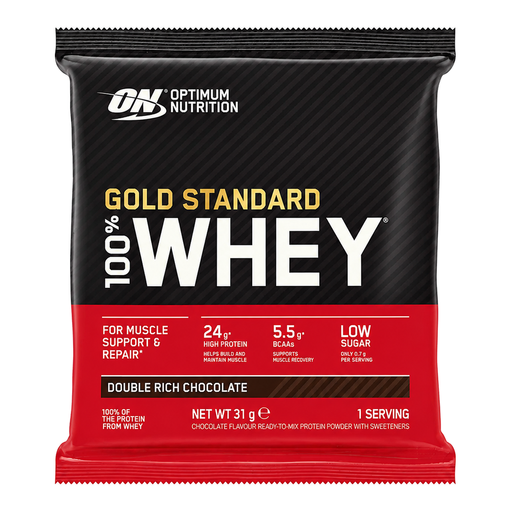
Why it suits this profile: A single sachet is ideal if you want to try a flavour without immediately buying a large pack. According to the product information, one serving contains approximately 24 grams of whey protein.
The serving size and nutritional values are clearly stated. This lets you assess the flavour and how easily it mixes before buying a larger pack.
30-gram sachet, approximately 24 grams of protein per serving, and a whey blend containing isolate, concentrate and hydrolysed whey.

Why it suits this profile: This formula is aimed at people specifically looking for whey isolate and wanting a high protein contribution per serving. According to the product information, the pack contains 31 servings.
The protein source is clearly listed as whey protein isolate. However, check the current packaging before buying, as recipes and labels may change.
25 grams of protein per 31-gram serving, less than 1 gram of carbohydrates and less than 0.5 grams of fat according to the product information.
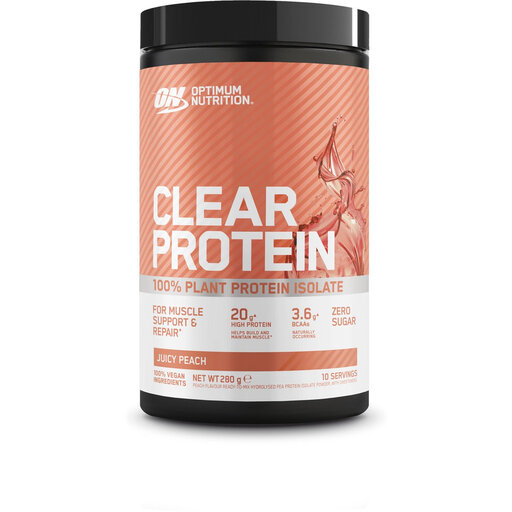
Why it suits this profile: An option for vegans and anyone who would rather have a light, refreshing protein shake than a milky whey shake.
The product information describes the formula as 100% plant-based and sugar-free. The clear preparation instructions – 28 grams with 600 ml of water – help to reduce lumps and excessive foaming.
20 grams of protein and 3.6 grams of naturally occurring BCAAs per serving; vegan and sugar-free according to the product information.
We have put together a complete, up-to-date list of products that fully meet these strict selection criteria and the applicable European safety regulations.
A protein shake can be convenient after training, but timing is not the only consideration. You can also use protein powder at breakfast, between meals or after a long working day. Choose a serving that complements your overall nutritional intake and follow the dosage instructions on the label.
Other sports products serve a different purpose. Creatine capsules provide creatine, not protein. Electrolytes are intended to support fluid and mineral intake around exercise. BCAAs are already naturally present in many whey and plant-based protein products. So compare the function first before combining several supplements.
No. Whey protein contains milk and is not vegan. If you have an allergy or intolerance, always check the allergen information and current packaging. Vegan protein or beef protein may be an alternative, depending on your dietary choices.
Store protein powder in a cool, dry, dark place and keep it tightly sealed. Use the best-before date on the packaging as a guide. A damp scoop, lumps, unusual smell or changed flavour are all reasons not to use the product any further.
Not necessarily. Compare the cost per serving, protein content, protein source and ingredients. Whey concentrate, whey isolate, vegan protein or hybrid protein may all be suitable, depending on your diet and preferences. The shake is a supplement; a varied diet remains the foundation.
