
Vandaag of morgen in huis

Kwaliteit gegarandeerd

Welkomstaanbiedingen ontgrendelen: GRATIS bezorging | Tot 80% korting | Gratis 30 dagen JoyPlus-proefperiode
Download de app
A tub of protein powder may seem simple to choose, but the differences between whey protein, vegan protein powder, collagen powder and a weight gainer are significant. What is more, a high protein claim on the front does not tell you everything about the ingredients, serving size or suitability for your diet.
As a Joybuy Product Recommendation Officer, I filter product information based on verifiable points. This helps you avoid paying for a flavour, package size or marketing promise that does not fit the way you use the product day to day.
A product may contain a lot of protein per 100 grams, but offer less per serving because the serving size is particularly large or small. Always compare:
A whey protein powder often provides around 20 to 25 grams of protein per serving. A weight gainer also contains plenty of carbohydrates and calories. This can be useful if you have high energy requirements, but unnecessary if you are only looking for extra protein.
Whey and other complete protein sources naturally contain amino acids, including BCAAs. A separate claim such as “protein powder with BCAAs” does not automatically make a product suitable for your goals. First look at the total amount of protein and its source.
For example, the Optimum Nutrition Clear Protein 100% Plant Protein Isolate lists 20 grams of protein and 3.6 grams of naturally occurring BCAAs per serving. These are specific details from the product information, not a guarantee of a particular training result.
Whey contains milk. Some products also contain soya, gluten, egg or traces of nuts. Vegan protein powder is not the same as lactose-free whey. Always check the ingredients list and allergen information on the packaging.
Also pay attention to flavour variants. A vanilla or cookie flavour may contain additional sweeteners, milk ingredients or cereals. “Sugar-free protein powder” may still contain sweeteners. So read the full nutrition table.
Whey protein comes from milk and is popular for a protein shake after exercise or as a snack between meals. Whey isolate generally contains a high proportion of whey protein, while a blend may also contain whey concentrate and hydrolysed whey.
Vegan protein powder and plant-based protein powder are suitable for people who avoid animal ingredients or dairy. Check that the product is actually labelled as vegan and whether the manufacturer lists allergens handled at the production facility.
Beef protein is an alternative for people who want to avoid whey or soya. Vital Proteins Collagen Peptides, on the other hand, uses bovine collagen. Collagen powder is better suited to someone specifically looking for collagen peptides than to someone who needs a complete sports protein as a dietary staple.
Do not compare only the “grams of protein”; also consider sugar, fat, carbohydrates and calories. For a light protein shake, a formula low in sugar and fat may be practical. For weight gain, a weight gainer containing plenty of carbohydrates and calories may be more suitable.
For example, the product information for Optimum Nutrition Gold Standard Whey lists approximately 24 grams of protein per serving of around 30 grams, with a low sugar content. Exact nutritional values vary by flavour and package size, so always check the variant you have selected.
A small sachet is convenient for use on the go, while a 2-kilogram package may offer better value if you use it every day. Pay attention to the recommended amount of water. The Clear Protein variant, for example, is mixed with approximately 600 ml of cold water and should be left to stand briefly after shaking to allow the foam to settle.
A protein shake can be used after exercise, but the exact timing is less important than your total daily protein intake and overall diet. Follow the dosage instructions on the label and do not use supplements as a replacement for a varied diet.
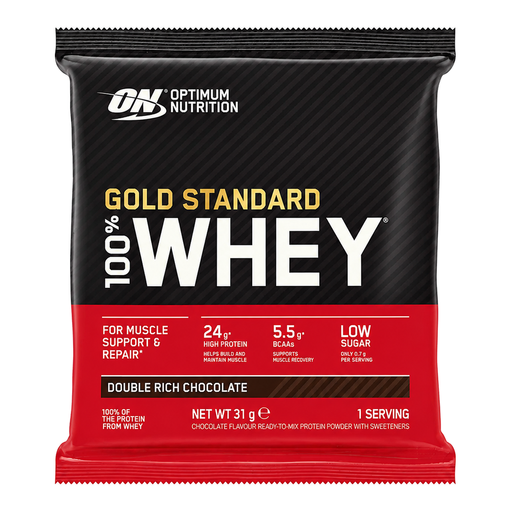
Why it suits this profile: The sachet contains one serving, making it suitable for trying out a flavour and usage occasion before buying a large package.
The serving size and nutritional values are clearly stated: approximately 24 g of protein per serving of around 30 g. This means you do not have to rely solely on the front of the packaging.
Whey blend with isolate, concentrate and hydrolysed whey; individually packaged for use on the go.

Why it suits this profile: Suitable for athletes looking for a whey isolate formula with a fixed serving size and low levels of sugar and fat.
The product information states that each 31 g serving contains 25 g of protein, less than 1 g of carbohydrates and less than 0.5 g of sugar.
930 g contents; 31 servings; whey isolate as the only protein source according to the ingredients list.
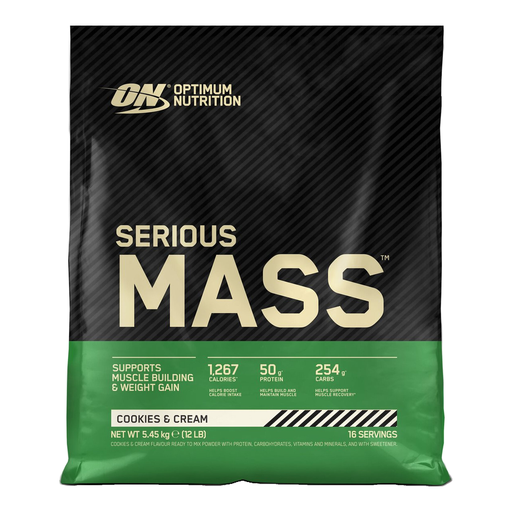
Why it suits this profile: A weight gainer is intended for adults who want to add plenty of extra calories and carbohydrates to their diet alongside protein.
The large serving size is clearly stated: 334 g of powder with approximately 50 g of protein, 250 g of carbohydrates and around 1,269–1,292 kcal per serving. This means it is not a hidden source of calories.
50 g of protein per serving; 250 g of carbohydrates; large package with 16 servings. Contains milk, gluten and egg.
We have put together a complete, up-to-date list of products that fully meet these strict selection criteria and the applicable European safety regulations.
When unopened, protein powder will generally keep until the date shown on the packaging. Once opened, seal the product properly and store it in a cool, dry place away from direct sunlight. If in doubt, check its smell, colour and texture, but always use the manufacturer’s best-before information as your guide.
No. A protein shake after exercise can be convenient when you cannot have a protein-rich meal at that time. Your overall diet remains more important than one specific time of consumption. Follow the recommended dosage and combine the powder with a varied diet.
That depends on the package size, the number of servings and the protein source. Divide the purchase price by the number of servings, then compare the amount of protein per serving. A large package is not automatically better value if you do not enjoy the flavour or do not use the product regularly.
