
Vandaag of morgen in huis

Kwaliteit gegarandeerd

Welkomstaanbiedingen ontgrendelen: GRATIS bezorging | Tot 80% korting | Gratis 30 dagen JoyPlus-proefperiode
Download de app
A protein shake seems simple: mix powder with water or milk and you’re done. Yet many people who exercise pay too much for a product that doesn’t suit their diet, taste preferences or training routine. Packaging often promises fast absorption, maximum muscle support or an exceptionally high protein content, even when the differences can be small.
As Joybuy Product Recommendation Officer, I look beyond marketing claims and focus on verifiable product information. Below, you’ll find out what to look for in protein powder, which common pitfalls to avoid and which options suit different types of users.
A big number on the pack doesn’t tell you everything. Always check the nutritional values per serving and per 100 grams. A serving might contain 20, 24 or 25 grams of protein, but sugar, fat, carbohydrates and calories can also vary.
A protein powder with 25 grams of protein per serving isn’t automatically better value than one with 24 grams. Check the pack size and the number of servings, too.
Whey protein comes from milk. Whey concentrate generally contains more residual components than whey isolate, while whey isolate is filtered further. This may be worth considering if you’re looking for a protein powder that’s low in sugar, fat and carbohydrates.
A blend can be a practical choice for everyday use. Check whether the ingredients list includes whey concentrate, whey isolate and, possibly, hydrolysed whey. Don’t consider the term ‘fast absorption’ in isolation from your overall diet.
A large pack is only good value if you actually use the product. Chocolate and vanilla are popular choices, but sweeteners, thickeners and flavourings can vary between brands. So check the ingredients list and preparation instructions.
Pay attention to the recommended amount of liquid, too. Some powders are designed to be mixed with around 180–240 ml of water, while a plant-based clear shake may need 600 ml.
Start by choosing your protein source:
Next, compare grams of protein per serving, as well as sugar, fat, carbohydrates and calories. Products with around 20–25 grams of protein per serving suit many situations, but your individual needs depend on your diet, body weight and activity level.
Whey contains milk. Many whey products also contain soya as an emulsifier. Some varieties may contain traces of gluten, egg, peanuts or nuts. If you don’t tolerate lactose well, don’t rely solely on the presence of lactase: a product containing lactase isn’t automatically lactose-free.
For vegan protein powder, check whether the product is labelled vegan and which plant-based sources it uses. For example, Optimum Nutrition Clear Protein Plant Isolate Peach lists 20 grams of protein per serving, a zero-sugar formula and a vegan positioning. The recommended preparation is 28 grams of powder mixed with 600 ml of cold water.
Work out the cost per serving rather than looking only at the sale price. A 2.04 kg pack will generally contain more servings than a 300 or 480 gram pouch, but it’s less convenient if you want to try a flavour first.
A small pack or sachet can be a good way to try a product. According to the product information, the Optimum Nutrition Gold Standard 100% Whey Double Rich Chocolate sachet contains 24 grams of protein per serving and is designed to provide one 30-gram serving.
Use protein powder to supplement a varied diet, not as a complete meal replacement. Always follow the dosage on the label and check the current packaging for ingredients and warnings.
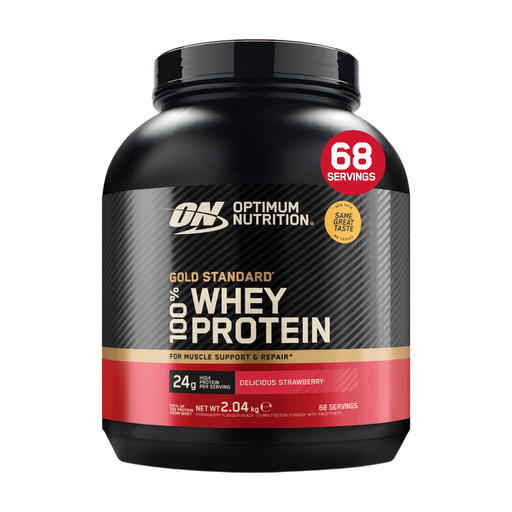
Why it suits this profile: The large pack, with around 24–25 grams of protein per serving, is a good fit for people who regularly use protein shakes and want to compare the cost per serving.
The blend lists whey isolate, whey concentrate and hydrolysed whey. This makes it clear which protein sources you’re buying, rather than relying on the claims on the front of the pack.
Around 25 grams of protein per serving; instantised powder that, according to the product information, mixes with water or milk.

Why it suits this profile: This whey isolate is designed for people who want a clear protein serving in each shake, with low amounts of sugar and fat.
The nutritional information lists 25 grams of protein, less than 0.5 grams of sugar and less than 0.5 grams of fat per 31-gram serving. This lets you check the claim that it has a light nutritional profile.
25 grams of protein per serving; 930 grams makes 31 shakes; vanilla flavour, with milk and soya allergens clearly listed.
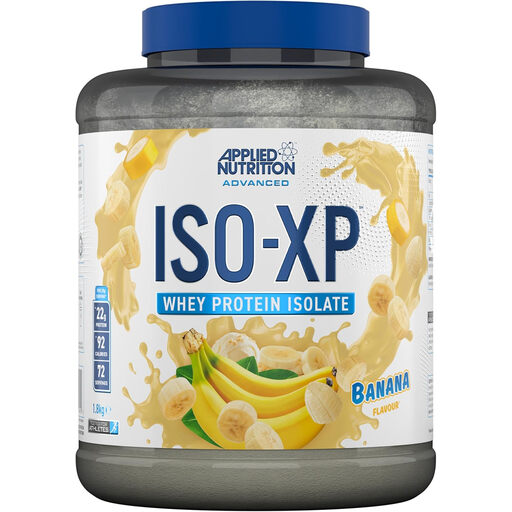
Why it suits this profile: The large pack and serving of around 25 grams are suited to people who train frequently and keep a close eye on their macros.
The nutritional information provided lists 22.5 grams of protein per 25-gram serving, with less than 1 gram each of fat, carbohydrates and sugar. Always check the current packaging, though.
According to the product information, the formula is 97% whey isolate; the 1.8 kg pack is suitable for regular use.
If you want to avoid milk and whey, you can choose a blend of pea and rice protein. According to the product information, Optimum Nutrition Gold Standard 100% Plant Protein Double Rich Chocolate contains 24 grams of plant-based protein per serving and is designed for vegans and vegetarians. The pack lists 20 servings in 684 grams.
Plant-based protein powder may mix differently and have a different texture from whey. First mix it with the recommended amount of water or plant-based milk, then adjust the flavour to suit you. Always check for possible traces of milk, soya, gluten, egg, nuts and peanuts, too.
We’ve put together a complete, up-to-date list of products that meet these strict selection criteria and the applicable European safety requirements.
You can use protein powder after exercise as a convenient way to top up your intake if you’re not getting enough protein from food. The exact timing matters less than your total daily intake. Follow the serving size and preparation instructions on the label.
Check the best-before date on the pack. Store the powder in a cool, dry place, tightly sealed and away from direct sunlight and moisture. Don’t use a product that smells different, has become lumpy due to moisture or has damaged packaging.
Low-sugar protein powder can fit into a diet where you want to limit calories and carbohydrates. Under the authorised EU health claim, protein contributes to the growth and maintenance of muscle mass. Training, your overall diet and recovery are still key; a shake isn’t a substitute for a balanced diet.
