
Vandaag of morgen in huis

Kwaliteit gegarandeerd

Welkomstaanbiedingen ontgrendelen: GRATIS bezorging | Tot 80% korting | Gratis 30 dagen JoyPlus-proefperiode
Download de app
A tub of protein powder may seem easy to choose at first. But it’s easy to end up paying for a large pack, an appealing flavour or a bold claim that’s less relevant to your goals. Are you mainly looking to increase your daily protein intake, have a light protein shake after exercise or choose a dairy-free option? In that case, the protein source, nutritional values and serving size matter more than the marketing on the front of the pack.
A bag weighing several kilos may look cheap per serving, but first check the serving size and number of servings. A weight gainer, for example, may recommend several hundred grams per serving. It’s designed to add calories and carbohydrates, not just extra protein. So compare both the price per serving and the amount of protein in each serving.
Words such as whey protein, clear protein and premium protein are no substitute for specific information. Check:
According to brands’ product information, certain formulas may support muscle growth or maintenance when used as part of a balanced diet. Treat these statements as information about the product’s ingredients and permitted nutrition claims, not as a guarantee of individual results.
Vegan protein powder contains no animal protein, but it may be made in an environment where milk, soya, gluten, egg, nuts or peanuts are handled. Always check the latest ingredients list and allergen information on the pack. The same applies to clear whey: the drink may be clear, but whey is still a milk ingredient.
Whey protein comes from milk. Whey concentrate generally contains more milk components than an isolate, as well as protein. Whey isolate often has a higher protein percentage and lower levels of fat and carbohydrates, but the exact values vary by product.
Vegan protein powder or plant-based protein powder may be a good option for vegans or people avoiding dairy. According to the product information, Optimum Nutrition Clear Protein in lemon and lime flavour uses hydrolysed pea protein isolate. A 28-gram serving contains 20 grams of protein and is mixed with 600 ml of cold water.
Collagen powder, such as marine collagen or bovine collagen, has a different purpose from a standard protein shake. Check how much collagen peptide and protein each serving contains. Collagen is therefore not automatically a like-for-like substitute for whey or plant-based protein powder.
Don’t just compare the large number on the front of the pack. For example, a serving of Optimum Nutrition Platinum Hydro Whey provides 30 grams of protein in a 40-gram serving. According to the product information, the milk chocolate, vanilla and strawberry flavours provide around 40 servings per 1.6 kg pack.
Clear whey may have a lighter feel, but check the mixing instructions. Ghost Clear Whey provides 25 grams of protein per serving of around 32 grams and is mixed with approximately 475 ml of water. According to the label, Optimum Nutrition Clear Whey Protein + Collagen combines 10 grams of whey isolate with 10 grams of collagen peptides per serving.
Check the instructions for the number of scoops and amount of water to use. Product descriptions say that foaming is normal with clear whey; letting it stand for a little while can make it more pleasant to drink. The exact timing — before or after exercise, at breakfast or between meals — is mainly a practical choice within your overall diet. Protein powder after exercise can be useful if you can’t have a protein-rich meal at that time.
Also check the warnings. These products are food supplements and are not a substitute for a varied diet. If you take medication, have a medical condition, are pregnant or are breastfeeding, it’s sensible to consult a doctor.
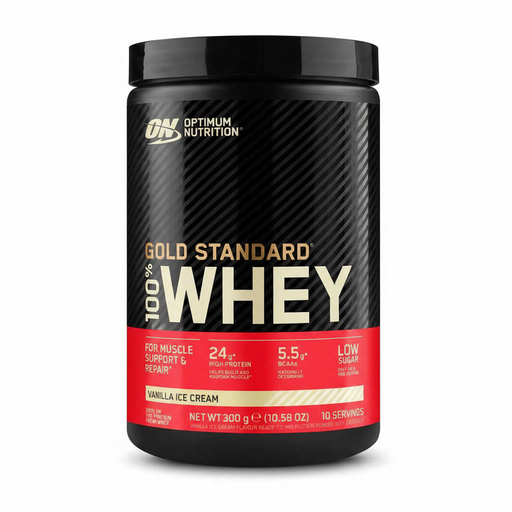
Why it suits this profile: A smaller pack with around 24 grams of protein per serving makes it easier to try a flavour and establish a routine without buying a large supply straight away.
The nutritional information gives the serving size, protein content and allergens, such as milk and soya, so you don’t have to rely on the front of the pack alone.
300 grams, around 24 grams of protein per serving, and can be mixed with water or milk.

Why it suits this profile: This whey isolate is aimed at people who want a clear amount of protein per serving alongside low levels of sugar, carbohydrates and fat.
The product information states that a 31-gram serving contains 25 grams of protein and lists the ingredients, including milk and soya, separately.
930 grams, around 31 servings, 25 grams of protein per serving and less than 1 gram of carbohydrates, according to the product description.
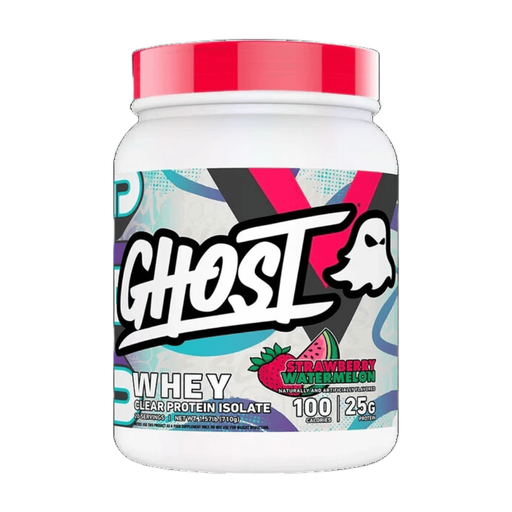
Why it suits this profile: A clear protein drink may suit people who don’t want a creamy shake and prefer a light, fruity drink around their workouts.
The product information distinguishes between protein, sugar and added sugars: each serving contains 25 grams of protein and 0 grams of sugar.
710 grams, around 20 servings, whey protein isolate and approximately 100 kcal per serving, according to the product description.
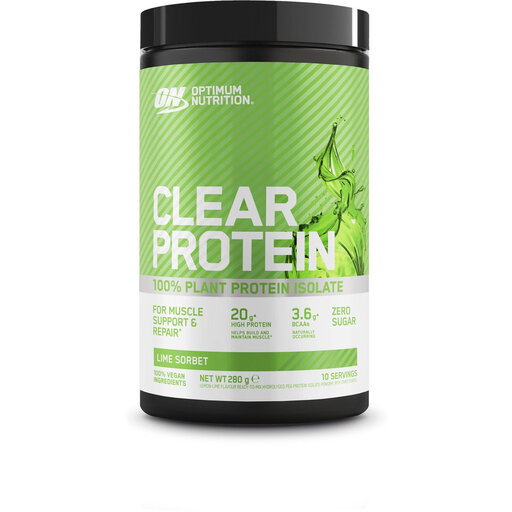
Why it suits this profile: This plant-based clear protein is designed for adults looking for vegan protein powder without a milky texture.
The ingredients list includes pea protein isolate, and the product information describes it as a vegan formula. However, check for possible traces of milk, gluten, soya, egg, nuts and peanuts.
20 grams of protein per serving, 10 servings per pack and prepared with 600 ml of cold water.
We’ve put together a full, up-to-date list of products that meet these strict selection criteria and current European safety regulations.
You can have a protein shake after exercise if it’s difficult to have a protein-rich meal straight afterwards. The exact timing matters less than your total daily protein intake and usual diet. Always follow the serving instructions on the label.
Check the use-by date and store the powder according to the instructions: usually tightly sealed, in a cool, dry place and away from direct sunlight. Don’t use it if the pack is damaged, the powder has become damp, or its smell or appearance has noticeably changed.
Clear whey is a clear drink, but it usually contains whey from milk. If you need to avoid dairy or milk allergens, a plant-based protein powder may be a better choice. Always check the latest allergen information for the specific flavour and pack.
