
Vandaag of morgen in huis

Kwaliteit gegarandeerd

Welkomstaanbiedingen ontgrendelen: GRATIS bezorging | Tot 80% korting | Gratis 30 dagen JoyPlus-proefperiode
Download de app
You’re looking for protein powder, protein powder or whey protein to supplement your daily protein intake. However, a quick purchase is not always the best choice. Eye-catching packaging, a long list of amino acids or a large value pack tells you little about whether the product suits your diet and training goals.
The main pitfalls are usually easy to avoid:
Check the protein content per serving and per 100 grams. The figures vary across the range. Whey products, for example, provide around 20 to 25 grams of protein per serving. Beef protein may provide approximately 27.2 grams per serving according to the product information, while a vegan soya protein powder lists around 23 grams per serving.
The protein source also determines whether the product fits your diet:
A product with 24 grams of protein per serving may be more appealing in practice than a larger pack with a lower proportion of protein. Therefore, also compare the number of servings per pack.
Read the label before buying. Look out for milk, soya, egg, gluten, peanuts and nuts. A product containing added lactase is not automatically lactose-free either. Ghost Whey, for example, lists lactase but still contains milk ingredients.
For a vegan protein powder, it is not enough to look only at the front of the packaging. Check that the ingredients come exclusively from plant-based sources and that no milk ingredients have been added. Lucovitaal Protein Soy Powder Pure lists 100% soya protein isolate, with no added colourings, flavourings or sugars. However, the product does contain soya.
Would you like a neutral flavour for smoothies, porridge or baking? An unflavoured version may be more convenient than a flavoured protein shake. A sweet flavour is practical if you mainly mix the powder with water.
A protein shake can be used after exercise, but the exact timing is less important than your overall daily diet. Always follow the dosage on the label. Many products use a serving of around 30 grams, but Lucovitaal Pure Hybrid Protein lists two scoops of approximately 25 grams with 250 ml of water or plant-based milk.
Also check the preparation instructions:
The Caramel Latte variant of Applied Nutrition Critical Whey lists 100 mg of caffeine per 33-gram serving. This makes the flavour less suitable if you want to limit your caffeine intake or use the product late in the day.
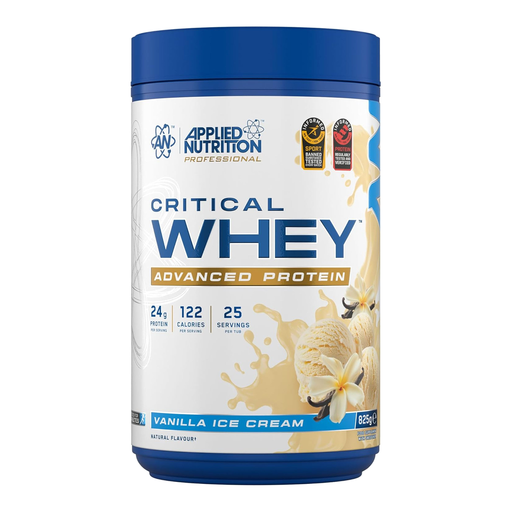
Why it suits this profile: The 825-gram pack is a manageable option for anyone who wants to use a protein shake regularly without immediately buying a very large quantity.
The product information lists the protein content per serving and the combination of whey concentrate, whey isolate and hydrolysed whey. Check the exact values for each flavour on the label.
Approximately 20–24 grams of protein per serving, with naturally occurring BCAAs. Contains milk and soya.

Why it suits this profile: This variant is aimed at athletes looking for a high protein content per serving and low levels of sugar and fat.
The serving size and nutritional values are clearly stated: 25 grams of protein per 31-gram serving, with less than 1 gram of carbohydrates and less than 0.5 grams of fat according to the product information.
930 grams, approximately 31 servings and whey protein isolate as the protein source. Contains milk and soya.
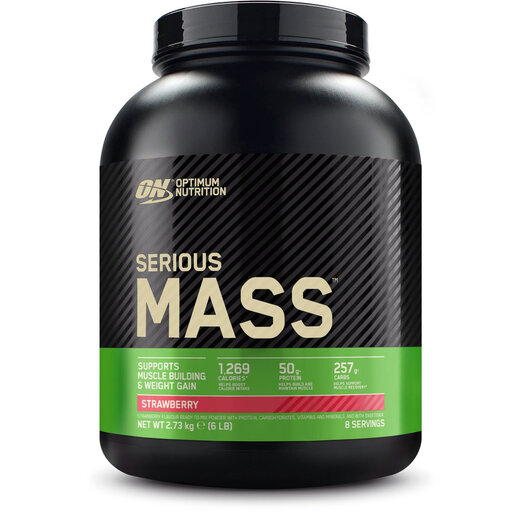
Why it suits this profile: This is a weight gainer for adults who want to consume plenty of additional calories and carbohydrates as well as protein.
The product information clearly states that one serving contains approximately 334 grams of powder. This makes it clear from the outset that this is not an ordinary low-calorie protein shake.
Lists 50 grams of protein and approximately 250 grams of carbohydrates per serving. Contains milk, egg, wheat gluten and sulphites.
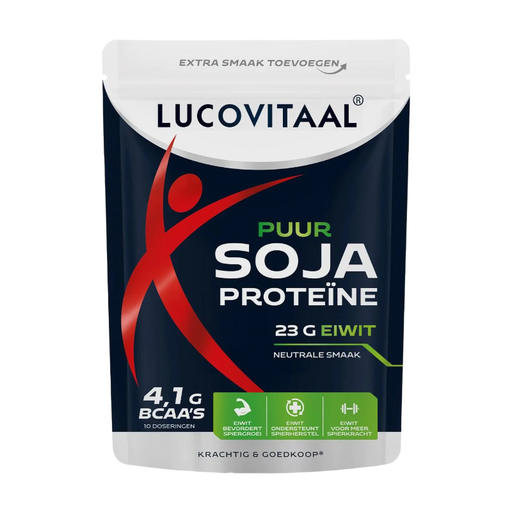
Why it suits this profile: The neutral soya formula can be added to a smoothie, shake or baking recipe without introducing a strong flavour.
The ingredients list names soya protein isolate as the only ingredient. This makes the protein source immediately clear, although soya remains an allergen.
23 grams of protein per 25-gram serving, with no added sugars, colourings or flavourings according to the product information.
We’ve put together a complete, up-to-date list of products that fully meet these strict selection criteria and the applicable European safety regulations.
You can use a protein shake after exercise as a convenient way to supplement your daily protein intake. It is not necessary to take every product immediately after training. Choose a time that fits your diet and follow the recommended serving size on the label.
Plant-based protein powder can be a convenient source of protein as part of a vegan diet. Check the protein content per serving and the amino acid profile. According to the product information, soya protein powder contains all essential amino acids, but it is not suitable if you have a soya allergy.
Store the powder in a cool, dry place, tightly sealed, away from direct sunlight and out of the reach of young children. Always check the best-before date and packaging. After opening, moisture and heat can affect the texture and mixability. Do not use the product if its smell, colour or texture has clearly changed.
