
Vandaag of morgen in huis

Kwaliteit gegarandeerd

Welkomstaanbiedingen ontgrendelen: GRATIS bezorging | Tot 80% korting | Gratis 30 dagen JoyPlus-proefperiode
Download de app
A protein shake seems simple: mix powder with water and you’re done. Yet many sports enthusiasts buy a product that does not suit their diet, training routine or taste preferences. A high protein percentage does not tell you everything about the ingredients, for example, while terms such as whey isolate, BCAA protein and “fast absorption” are not always used consistently.
As a Joybuy Product Recommendation Officer, I filter product information according to practical features. Below, you’ll find what to look for when choosing protein powder, which mistakes are commonly made and which type of protein powder is best suited to different users.
A product with a high protein content per 100 grams may seem appealing, but also check the serving size. A serving of 25, 30 or 33 grams can produce a different result. So look at:
For example, a powder may provide 24 grams of protein per serving, but also contain a relatively high amount of sugar or carbohydrates. That does not necessarily pose a problem, as long as it fits your nutritional goals.
Whey protein comes from milk. Whey concentrate generally contains more of the other milk components than whey isolate. As a result, an isolate may contain less carbohydrate and fat, but that does not automatically mean it is completely lactose-free.
If you have a milk allergy or intolerance, always check the packaging. Some products also contain soya as an emulsifier or are made in an environment where gluten, egg, nuts or peanuts are processed.
Vegan protein powder may be suitable for vegetarians and vegans, but also check any precautionary allergen statements. According to the product information, a plant-based product may be free from animal ingredients while still being manufactured in a facility where milk or soya is present.
With plant-based protein powder, the combination of protein sources is relevant. Pea protein and rice protein, for example, are combined in some formulas. Also check that the flavour, sweeteners and mixing instructions suit the way you intend to use it.
Whey concentrate is a popular base for a protein shake. In addition to protein, it contains small amounts of fat and carbohydrates. Whey isolate is filtered further and, according to the product information provided, often contains around 22.5 to 25 grams of protein per serving, with little fat and sugar.
A blend combines several types of whey, such as concentrate, isolate and hydrolysed whey protein. This can be practical if you are looking for an all-round protein powder. BCAAs, including leucine, isoleucine and valine, occur naturally in milk protein. A product labelled “BCAA protein” is therefore not automatically different from ordinary whey.
For vegan users, pea, rice or other plant-based protein sources are a more logical choice. When choosing vegan protein powder, check the stated protein content per serving and the certification or suitability statement on the label.
Ideally, compare products with a similar serving size. The available product information includes:
Also pay attention to calories. Depending on the formula and flavour, a serving may contain approximately 89 to 126 kcal. A coffee flavour may also contain caffeine. Applied Nutrition Critical Whey Caramel Latte, for example, lists 100 mg of caffeine per 33-gram serving. That is an important difference compared with a caffeine-free protein shake.
A product you use every day needs to be practical. Check how much water is recommended. Some powders use approximately 150 to 240 ml of water, while a Clear Protein product recommends 600 ml of cold water. This creates a lighter, more refreshing drink rather than a creamy shake.
The packaging also matters:
Store protein powder in a cool, dry place and keep it tightly sealed. Always check the best-before date, batch code and current instructions on the packaging.
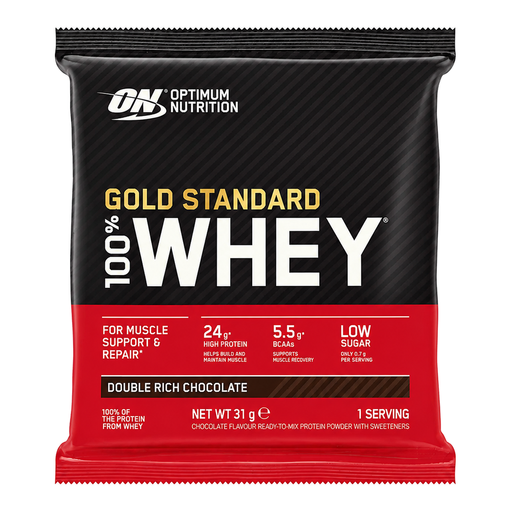
Why it suits this profile: A 30-gram sachet lets you try a flavour and serving size without immediately buying a large pack.
The nutritional information lists approximately 24 grams of protein per serving. You can check the serving size, allergens and ingredients in advance.
Whey blend containing isolate, concentrate and hydrolysed whey protein; suitable for mixing with water or milk.

Why it suits this profile: If protein density and low levels of sugar and fat are your priorities, this product provides clear specifications.
The product information lists 25 grams of protein per 31-gram serving, less than 1 gram of carbohydrates and less than 0.5 grams of sugar.
930 grams of powder; 31 servings; whey isolate listed as the protein source.
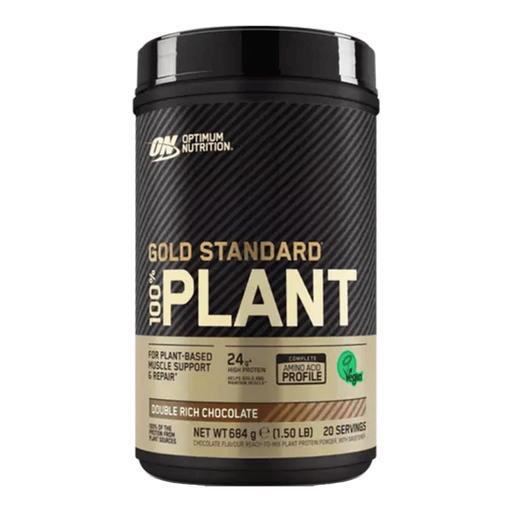
Why it suits this profile: The formula uses pea and rice protein and, according to the product information, is intended for vegans and vegetarians.
The protein sources are listed in the ingredients. However, check the packaging for current allergen information and possible traces.
24 grams of plant-based protein per serving; 684 grams of powder; approximately 20 servings.
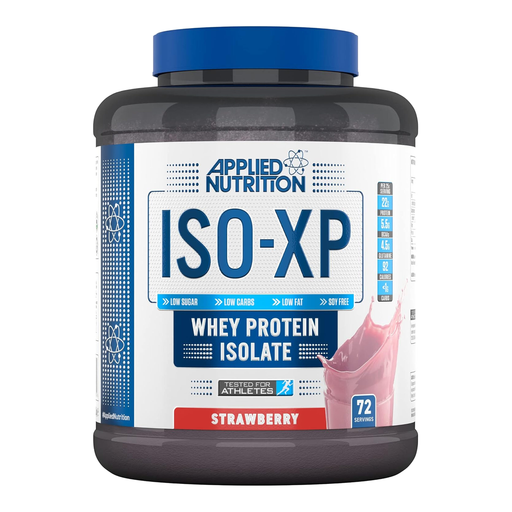
Why it suits this profile: A large pack suits athletes who use protein shakes regularly and want minimal additional carbohydrates, sugar and fat per serving.
The nutritional values list 22.5 grams of protein per 25-gram serving, along with 0.09 grams of carbohydrates, 0.09 grams of sugar and 0.24 grams of fat.
Mainly whey isolate; 89 kcal per serving according to the product information; suitable for vegetarians.
We’ve put together a complete, up-to-date list of products that fully meet these strict selection criteria and the applicable European safety requirements.
You can use a protein shake after exercising, but the exact timing is not the only factor that matters. Your total daily protein intake and regular meals are more important when it comes to practical planning. A serving can also fit into breakfast, between meals or in a smoothie.
Always follow the recommended dosage on the label. Some products recommend one serving per day, while others list one to three servings depending on your personal dietary pattern. A supplement is not a substitute for a varied diet.
According to product specifications, whey isolate often contains little sugar and fat, but the values vary by brand and flavour. Check the nutritional information per serving. Flavourings, sweeteners and any added ingredients can also vary.
The shelf life is stated on the packaging. Store the powder in a cool, dry, dark place and keep it tightly sealed. Do not use a product if its smell, colour or texture has clearly changed. Check the batch code and best-before date with every order.
Calculate the price per shake by dividing the total price by the number of servings. A small pack or sachet may cost more per serving, but it is useful for testing a flavour. A larger pack may offer better value if you use the product regularly. Also consider the number of grams of protein per serving, so that you compare products fairly.
