
Vandaag of morgen in huis

Kwaliteit gegarandeerd

Welkomstaanbiedingen ontgrendelen: GRATIS bezorging | Tot 80% korting | Gratis 30 dagen JoyPlus-proefperiode
Download de app
Want to get more protein into your diet, but finding it hard to tell the difference between whey protein, whey isolate, vegan protein powder and BCAAs? The packaging often promises fast absorption, muscle recovery or a complete amino acid profile. But an eye-catching claim doesn’t always mean a product is right for your diet.
As a Joybuy Product Recommendation Officer, I focus on the things you can check: the amount of protein per serving, the protein source, allergens, sugar and fat content, serving size and ease of use.
A high protein percentage matters, but it isn’t the only thing to consider. Check the serving size too. A product may be high in protein per 100 g, but the recommended serving could be significantly larger or smaller than that of a comparable product.
Also check how many servings are in the pack. A large tub may look like good value, but it’s only worth considering if the price per shake and nutritional values suit how you plan to use it.
Whey protein comes from milk and naturally contains BCAAs, including leucine, isoleucine and valine. Whey isolate is usually filtered more extensively than whey concentrate. As a result, it may contain relatively more protein and less sugar or fat per serving. However, it is still a dairy product and usually contains milk ingredients.
Vegan protein powder uses ingredients such as pea and rice protein. It’s suitable for vegans and people who want to avoid dairy, but always check the ingredients list and allergen information. “Plant-based” doesn’t automatically mean that a product is made in a completely allergen-free environment.
BCAAs, glutamine and L-arginine are familiar terms in sports nutrition. Whey naturally contains amino acids. A standalone amino acid supplement can be useful if you want to take a specific amino acid, but it doesn’t replace a complete protein source or a varied diet.
According to Optimum Nutrition’s product information, Glutamine Powder contains 5 grams of L-glutamine per serving. It can supplement your daily amino acid intake, but it’s not a replacement for a protein-rich meal or protein shake.
First, compare the grams of protein per recommended serving. The products available here range from around 20 to 27 grams per serving. Gold Standard Isolate products state that they contain 25 grams of protein per shake, while Gold Standard Whey varieties offer around 24 grams.
Also check that the protein source suits your preferences:
As well as protein, a protein powder may contain sweeteners, flavourings, thickening agents and carbohydrates. Gold Standard Isolate products state that they contain less than 0.5 grams of sugar and less than 0.5 grams of fat per serving. Other whey varieties may contain slightly more carbohydrates, depending on the flavour and recipe.
So always check the nutrition information per serving, not just the front of the pack.
Whey contains milk. Many products also contain soya, for example as an emulsifier. Products may also be made in a facility that handles gluten, egg, peanuts or nuts.
Follow the preparation instructions on the label. A shake is usually mixed with water, milk or a plant-based drink. Check the recommended amount of liquid: 180 to 240 ml is enough for some products, while a plant-based Clear Protein variety recommends 600 ml of cold water.

Why it suits this profile: The smaller pack, with around 24 g of protein per serving, lets you try a flavour and get into a routine before committing to more.
The product information clearly states the serving size, protein content and the presence of milk and soya allergens.
300 g, around 24 g of protein per serving, and suitable for mixing with water or milk.

Why it suits this profile: This whey isolate is aimed at athletes who want a high-protein shake with low amounts of sugar and fat.
The product details state that each 31 g serving contains 25 g of protein, less than 0.5 g of sugar and less than 0.5 g of fat.
930 g, 31 servings, 25 g of protein per shake and a simple whey protein isolate base.
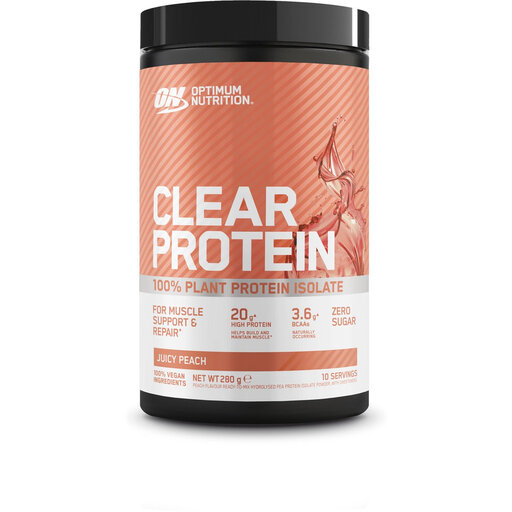
Why it suits this profile: A 100% plant-based protein powder with a light, fruity flavour for anyone who doesn’t want a dairy shake.
The product information explicitly states that it is vegan, contains 20 g of protein per serving and has no sugar. Check the facility information for possible cross-contamination.
Plant-based isolate, 20 g of protein and 3.6 g of naturally occurring BCAAs per serving.
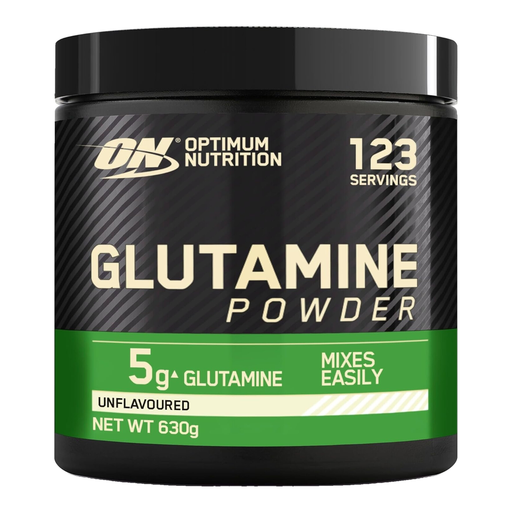
Why it suits this profile: Designed for athletes who want to add L-glutamine to their daily amino acid intake alongside their protein powder.
The formula is straightforward: according to the product information, each serving contains 5 g of pure L-glutamine, and the powder is unflavoured and unsweetened.
630 g pack, unflavoured, and can be mixed with water or added to your usual protein shake.
We’ve put together a full, up-to-date list of products that meet these strict selection criteria and the applicable European safety regulations.
You can have a protein shake after exercise or between meals when you want to add extra protein to your diet. The exact timing matters less than your total daily intake and usual eating habits. Always follow the recommended serving size on the pack.
The best-before date and batch information are printed on the pack. As a rule, store the powder in a cool, dry place and keep it tightly sealed. Moisture, heat and direct sunlight can affect the product’s quality. Don’t use powder that smells unusual, has gone lumpy due to moisture or comes in damaged packaging.
Not always. Compare the price per serving, the grams of protein per serving and the number of shakes in the pack. Whey isolate may cost more because of its composition, while standard whey may be enough for everyday use. With vegan protein powder, flavour, mixability and the protein sources used are also worth considering.
Supplements are no substitute for a varied diet and an active lifestyle. Before use, check the current label, allergen information and recommended daily amount. If you have a medical condition, take medication, are pregnant or are breastfeeding, consult a healthcare professional.
