
Vandaag of morgen in huis

Kwaliteit gegarandeerd

Welkomstaanbiedingen ontgrendelen: GRATIS bezorging | Tot 80% korting | Gratis 30 dagen JoyPlus-proefperiode
Download de app
Protein powder can be useful if you are an athlete, fitness enthusiast or active adult looking to add extra protein to your daily diet. However, not every product is suited to the same purpose. A whey protein for after exercise has a different composition from a weight gainer for people who struggle to consume enough calories.
Packaging does not always make comparison easy either. So do not focus only on terms such as “premium”, “ultra” or “time release”. Pay particular attention to verifiable information: the amount of protein per serving, the number of servings, the ingredients and the nutritional values.
A 2 kg pack may look appealing, but check how much protein it actually contains per serving. A large scoop may also contain a lot of carbohydrates or calories. With a weight gainer, that may be exactly the point, but if you are simply looking for extra protein each day, it could provide more energy than you need.
Whey concentrate, whey isolate and hydrolysed whey protein differ in composition. According to product information, whey isolate often contains relatively little carbohydrate and fat. A concentrate may have a different balance of protein, lactose, fat and carbohydrates. So check the table both per 100 grams and per serving.
A protein shake needs to fit into your daily routine. Buying a large pack of vanilla protein powder without first checking the serving size or flavour variant can be inconvenient if you quickly get tired of the taste. A smaller pack or sachet is a good way to see how the product mixes and tastes first.
Compare products on the basis of the same serving size. Across the range, this varies from approximately 20 to 30 grams of protein per serving for standard whey products to 50 grams per serving for Serious Mass. According to the product information provided, the latter also contains approximately 250 grams of carbohydrates and around 1,269–1,292 kcal per serving. It is therefore aimed more at increasing calorie intake and body weight than at providing a light protein shake.
A standard whey protein generally contains fewer calories per shake. Optimum Nutrition Gold Standard 100% Whey lists approximately 24 grams of protein per serving and around 119 kcal per serving. Applied Nutrition ISO-XP lists 22.5 grams of protein per 25-gram serving.
The number of servings determines the actual cost of use. A 300-gram tub containing approximately ten servings may be suitable for trying a flavour. A 1.6 kg pack with around 40 servings is more practical if you use protein shakes regularly. The 2.73 kg Serious Mass pack lists eight servings because one serving contains 334 grams of powder.
Always check the allergens too. The products mentioned may contain milk and soya, among other ingredients. Some variants also state that they may contain traces of gluten, egg, peanuts or nuts. Recipes and packaging may change, so read the current label before use.

Why it suits this profile: The 300-gram pack is a manageable choice if you want to try a standard whey protein without buying a large quantity straight away.
The product information lists approximately 24 g of protein per serving of around 32 g, making it easy to check the ratio between scoop size and protein content.
Whey isolate, whey concentrate and hydrolysed whey in one blend; available in a small pack.

Why it suits this profile: This variant is aimed at people looking for a whey isolate with low levels of carbohydrates and fat to use around training or throughout the day.
The product details specify 25 g of protein, less than 1 g of carbohydrates and less than 0.5 g of fat per 31 g serving.
930 g contents; approximately 31 servings; whey protein isolate is the main ingredient.
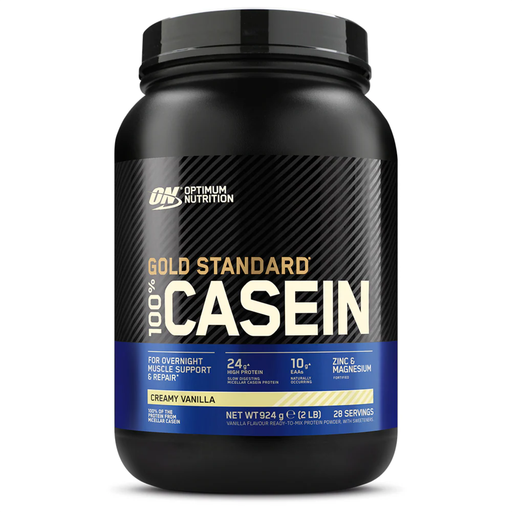
Why it suits this profile: Casein protein is suitable for people looking for a protein source to cover a longer interval between meals, for example before going to bed.
The product description mentions micellar casein and a 33 g serving, clearly distinguishing it from a standard whey shake.
24 g of protein per serving; 924 g contents; micellar casein as the main protein source.
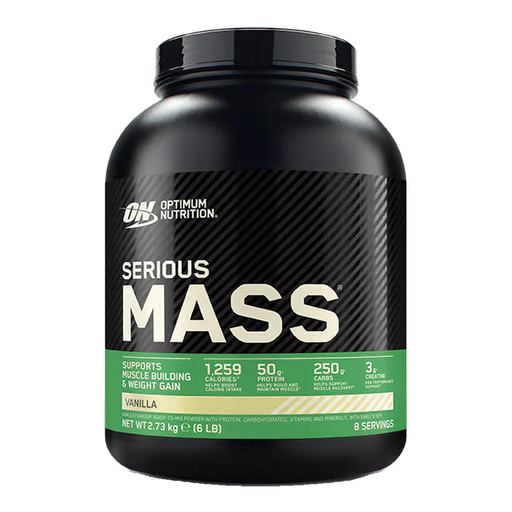
Why it suits this profile: This weight gainer is intended for adults who want to include plenty of additional carbohydrates and calories in their diet alongside protein.
The high serving values are clearly stated: 50 g of protein, approximately 250 g of carbohydrates and around 1,269–1,292 kcal per shake. This allows you to compare the product with your own calorie requirements.
2.73 kg contents; eight large servings; contains whey concentrate, calcium caseinate and egg albumin.
We have put together a complete, up-to-date list of products that fully meet these strict selection criteria and the applicable European safety regulations.
Always follow the dosage instructions on the label. A standard whey product is often mixed with approximately 180 to 400 ml of water or milk, depending on the serving size and the desired consistency. Milk changes the nutritional values and may add extra calories and protein.
Store protein powder sealed, in a dry place and away from direct sunlight. Check the best-before date and use a dry measuring scoop. A supplement is not a substitute for a varied diet. Do not use the product if you are allergic to any listed ingredient. If you take medication, have a medical condition, are pregnant or breastfeeding, it is advisable to consult a healthcare professional.
You can use whey protein after exercise or at another time when you need to supplement your daily protein intake. The exact timing is less important than your overall diet and consistently following your training and eating routine.
Not necessarily. Whey isolate often contains less fat and fewer carbohydrates, but it can be more expensive. Whey concentrate or a blend may be perfectly adequate for everyday use. Compare the protein content, ingredients, allergens and price per serving.
Check the best-before date on the packaging. Once opened, powder stays in the best condition when stored in a cool, dry place in a tightly sealed container. If the smell, colour or texture changes noticeably, do not use it and check the product instructions.
