
Vandaag of morgen in huis

Kwaliteit gegarandeerd

Welkomstaanbiedingen ontgrendelen: GRATIS bezorging | Tot 80% korting | Gratis 30 dagen JoyPlus-proefperiode
Download de app
Protein powder can be useful if getting enough protein from regular food is difficult. However, a package making major claims about “fast absorption”, BCAAs or muscle recovery does not automatically mean you are paying for a better formula. The key question is: does the composition suit your diet, training goal and intended use?
In this guide, we compare popular choices for adults in the Netherlands, including whey protein, whey isolate, clear whey, vegan protein powder, beef protein and weight gainers.
A high protein percentage does not tell the whole story. Also check the serving size, the number of servings per package and the amount of sugar, carbohydrates, fat and salt per shake. A powder containing 80 grams of protein per 100 grams may still be less practical if the recommended serving is large or contains many additional calories.
Compare products per serving as well as per 100 grams. This gives you a clearer picture of what you are actually buying.
Whey isolate generally contains less lactose than whey concentrate, but that does not automatically make it lactose-free. Products such as Optimum Nutrition Gold Standard Isolate list milk and soy lecithin as allergens. A formula containing lactase, such as some Ghost Whey variants, is also not suitable for everyone with lactose intolerance.
Do you have an allergy or intolerance? Always check the current label. Manufacturers may change ingredients or production facilities.
A protein powder without sugar may still contain sweeteners. For example, Ghost Clear Whey lists 0 grams of sugar per serving and uses sucralose and acesulfame-K for flavour. Optimum Nutrition Clear Protein Plant Peach describes a zero-sugar formula, but according to the product information it also contains flavourings and sweetener components.
Also pay attention to the difference between “no added sugars” and “0 grams of sugar”. These claims do not always mean the same thing.
Whey protein comes from milk and may consist of whey concentrate, whey isolate and hydrolysed whey. A blend can be a practical all-round option for a protein shake during the day.
Whey isolate often contains a higher proportion of protein and fewer carbohydrates and less fat according to the product specifications. Applied Nutrition ISO-XP Chocolate Dessert, for example, provides 22.5 grams of protein per 25-gram serving. The stated nutritional value is 90 grams of protein per 100 grams; according to the ingredients list, this flavour consists of 92% whey protein isolate rather than isolate alone.
Vegan protein powder uses plant-based sources. According to the product information, Optimum Nutrition Clear Protein Plant Peach contains 20 grams of protein per 28-gram serving, is approved by the Vegan Society and contains no sugar according to the listed product specifications. The product is made in an environment that also processes milk, gluten, eggs, soy, nuts and peanuts.
Beef protein can be an alternative for people who want to avoid whey or soy. Applied Nutrition Beef-XP lists 27.2 grams of protein per 30-gram serving and only limited amounts of fat and carbohydrates. If you have specific dietary requirements, always check the current ingredients list and allergen information.
For many athletes, around 20 to 25 grams of protein per serving is practical. Examples from the current range include:
A weight gainer is therefore not simply “more protein powder”. Its high calorie and carbohydrate content makes this type of product particularly relevant for people who deliberately want to add extra energy to their diet. One full serving of Serious Mass weighs 334 grams. That can be impractical if your only goal is to increase your protein intake.
A protein powder you do not enjoy drinking will remain unused in the cupboard. Check how much water is required and how the product should be prepared. Clear whey is usually mixed with more water and has a lighter, more drink-like texture. Ghost Clear Whey recommends approximately 475 ml of water per serving and around 60 seconds of standing time to allow the foam to settle.
Traditional whey is often mixed with 150 to 400 ml of water or milk. Milk changes the nutritional values of the shake. Also check the caffeine content: the Caramel Latte variant of Applied Nutrition Critical Whey lists 100 mg of caffeine per serving. This is an important distinction if you plan to use the product in the evening.
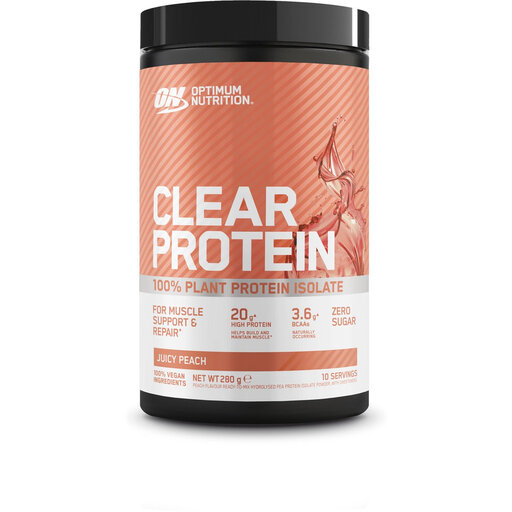
Why This Fits Their Persona: A light, plant-based protein drink for adults who prefer not to have a traditional creamy shake.
The product information lists 20 g of protein per serving, zero sugar and approval by the Vegan Society. Do check the warning about possible cross-contamination.
100% plant-based according to the product description; 10 servings of 28 g; 20 g of protein per serving.
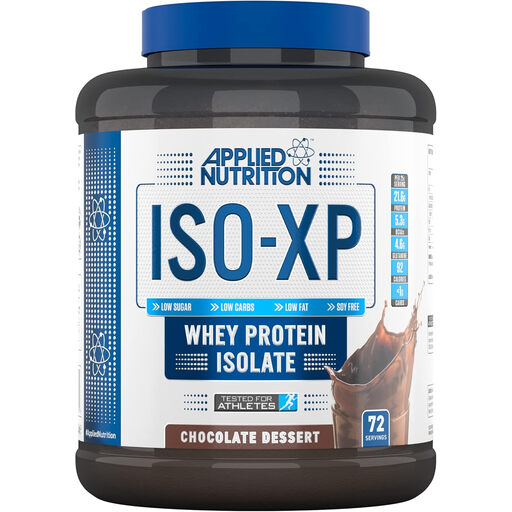
Why This Fits Their Persona: Suitable for strength athletes looking for a large package with relatively low amounts of carbohydrates and fat per serving.
The stated nutritional values distinguish between 90 g of protein per 100 g and 22.5 g per serving. This makes the composition easy to verify.
1.8 kg package; approximately 72 servings; 0.1 g of carbohydrates and 0.4 g of fat per serving according to the product information.
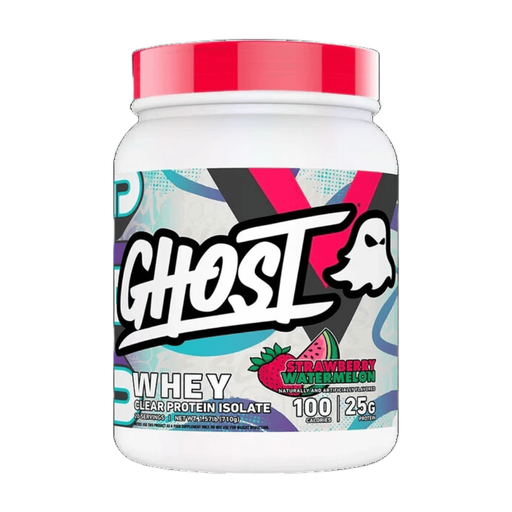
Why This Fits Their Persona: For anyone who prefers a refreshing clear whey to a thick, milky protein shake.
The packaging lists 25 g of protein, 100 kcal and 0 g of sugar per serving. After mixing, the drink should stand for approximately 60 seconds to allow the foam to settle.
710 g; approximately 20 servings; made from whey protein isolate; free from soy and gluten according to the product specifications.
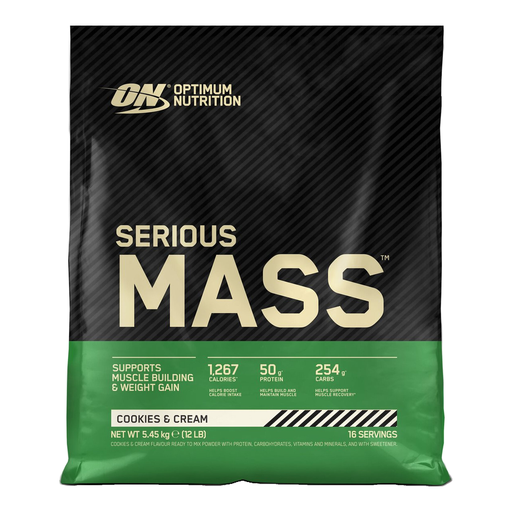
Why This Fits Their Persona: A weight gainer for adults who deliberately want to add a substantial amount of extra calories and carbohydrates to their diet.
The product information shows the full 334 g serving size. This makes it clear that the product is a calorie-dense supplement, not an ordinary protein shake.
5.45 kg package; 50 g of protein and approximately 250 g of carbohydrates per full serving according to the stated product specifications.
Browse a current selection of protein powders and protein shakes with different protein sources, flavours, serving sizes and nutritional values.
A protein shake can be practical after training, but timing is not the only consideration. You can also have a serving at breakfast, between meals or blended into a smoothie. Above all, consider your total daily diet.
The EU-authorised claim states that protein contributes to the growth and maintenance of muscle mass. It does not replace a varied diet or a structured training programme. Follow the recommended serving on the label and do not exceed the stated daily amount.
That depends on your total protein intake, diet and personal preferences. Whey, whey isolate, vegan protein powder and beef protein can all help you add extra protein. Focus on the protein per serving, ingredients and allergens. A weight gainer only makes sense if you also deliberately want to increase your calorie and carbohydrate intake.
“Sugar-free” describes one nutritional characteristic and does not tell you everything about the product. Also check sweeteners, caffeine, calories, salt and serving size. A supplement should not replace a varied diet.
Follow the best-before date and store the powder in a cool, dry place in a tightly sealed container. Moisture can cause clumping and make the powder harder to mix. Do not use a product if the seal is damaged, and if you have allergies, always check the current label before consuming it.
