
Vandaag of morgen in huis

Kwaliteit gegarandeerd

Welkomstaanbiedingen ontgrendelen: GRATIS bezorging | Tot 80% korting | Gratis 30 dagen JoyPlus-proefperiode
Download de app
Buying protein powder seems straightforward: pick a flavour, select a tub, and add the powder to your basket. Yet products vary significantly in protein content, calories, protein source, serving size and allergens. If you only look at the front of the packaging, you might end up paying for a large tub with relatively few servings, or choose a weight gainer when your goal is simply to get more protein.
This guide helps adult athletes, fitness enthusiasts and active individuals compare protein powder based on verifiable product information.
A multi-kilo tub might look like a bargain, but always check the number of servings and the weight per serving. Serious Mass Vanilla in 5.45 kg contains 16 servings according to the product information. That means each serving works out at roughly 334 to 340 grams. That’s quite different from a standard whey serving of around 25 to 33 grams.
So don’t just compare the price per tub – also compare the price per serving and the amount of protein per serving.
Whey protein, vegan protein and casein protein are primarily designed to conveniently top up your daily protein intake. A weight gainer or mass gainer also contains a lot of carbohydrates and calories.
For example: Optimum Nutrition Serious Mass Chocolate states approximately 50 grams of protein, more than 250 grams of carbohydrates and around 1,250–1,260 kcal per serving. That might suit someone who needs to add extra calories consistently, but it’s not automatically the right choice for someone who just wants a protein shake after training.
Terms like “complete amino acid profile”, “fast absorption” or “ideal for recovery” need to be read in context. Check the ingredients list, nutritional values and allergens. According to the product description of Applied Nutrition Beef-XP, for example, it contains 27.2 grams of protein per 30-gram serving and is based on beef protein isolate. That’s relevant information; a general claim about effectiveness is no guarantee of the same result for every user.
Bear in mind: “vegan” and “free from allergens” are not the same thing. A plant-based product may contain traces of milk, soya, gluten, egg, nuts or peanuts according to the packaging.
A shake with 25 grams of protein per serving can fit perfectly into a daily diet, but it’s also useful to look at the value per 100 grams. That way you can see how much of the powder is actually protein.
Ghost Whey Fruity Cereal Milk, for example, states 25 grams of protein per 32-gram serving, with around 120 kcal. With a weight gainer, the protein percentage per 100 grams is usually lower because a large proportion is made up of carbohydrates. So think about your goal: daily protein supplementation or extra calories for weight gain.
A protein shake needs to fit practically into your routine. Check:
A trial pack or sachet bundle can help before you buy a large tub. The bundle with Gold Standard Whey sachets contains 30-gram servings and a shaker. According to the product information, each serving provides around 24 to 25 grams of protein.
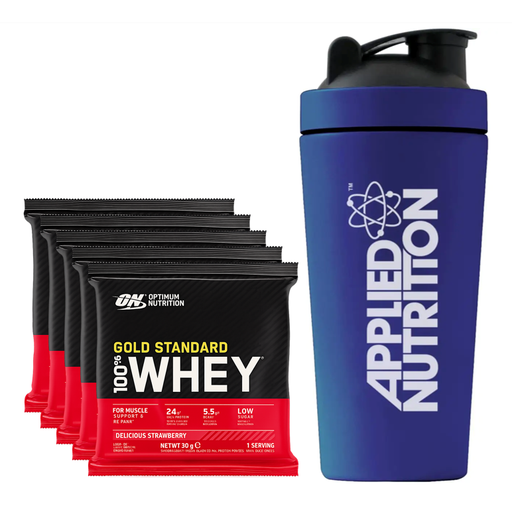
Why this fits the profile: Small servings are handy for trying out flavours before you commit to a large tub. The included shaker is useful at home, on the go or at the gym.
You’re not locked into a large tub of one flavour straight away. The sachets make the number of servings clear.
Around 24–25 grams of protein per 30-gram sachet; includes a 750 ml shaker.
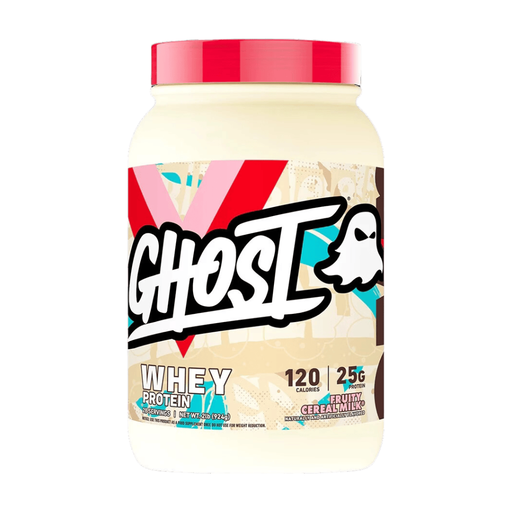
Why this fits the profile: Ideal for anyone after a specific flavour and a clearly formulated whey blend for daily use.
The product information states both the serving size and the types of protein used, so you’re not relying solely on the flavour name.
25 grams of protein per 32-gram serving; a blend of whey isolate, whey concentrate and hydrolysed whey isolate.
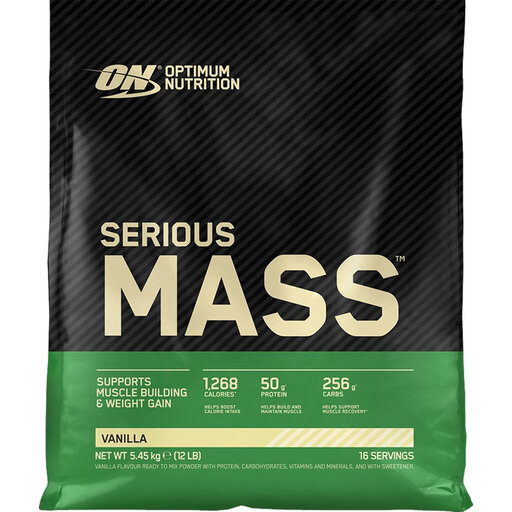
Why this fits the profile: Suits adults who deliberately want to add plenty of extra calories and carbohydrates alongside their regular meals.
The product information makes it clear that this is a mass gainer with a very large serving, not a light protein shake.
50 grams of protein, around 250 grams of carbohydrates and approximately 1,269–1,292 kcal per serving according to the product information.
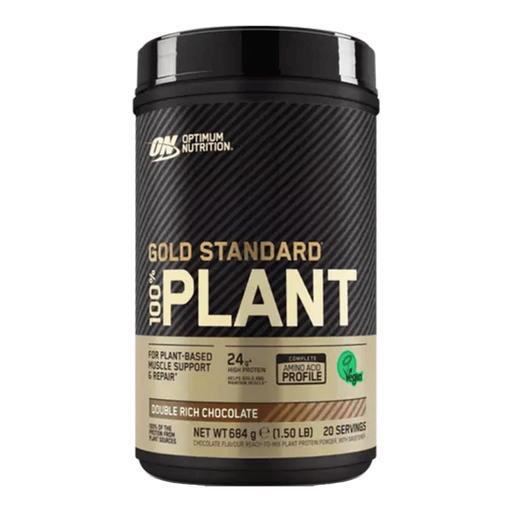
Why this fits the profile: An option for vegans and vegetarians who want to combine pea and rice protein in a protein shake.
The protein sources are listed in the ingredients. Always check the packaging for possible traces of milk, soya, gluten, egg, nuts and peanuts.
24 grams of plant-based protein per serving; formula based on pea and rice protein.
We’ve put together a full, up-to-date list of products that fully meet these strict selection criteria and comply with current European safety regulations.
A protein shake can be used after training as a convenient supplement when a regular meal isn’t immediately available. The exact timing is less important than your overall daily diet. Follow the serving size on the label and combine protein powder with a varied diet.
Check the best-before date and store the product according to the packaging. Usually this means: cool, dry and dark, well sealed and away from moisture. Don’t use any powder whose smell, colour or texture has clearly changed.
No, casein isn’t essential. It’s a protein source you can choose when you want a product with micellar casein, for example for a period when you won’t be eating for a while. Whey, vegan protein and beef protein can also fit into a high-protein diet. The right choice depends on your goal, preferences, budget and any allergies.
