
Vandaag of morgen in huis

Kwaliteit gegarandeerd

Welkomstaanbiedingen ontgrendelen: GRATIS bezorging | Tot 80% korting | Gratis 30 dagen JoyPlus-proefperiode
Download de app
Protein powder can be a handy addition if you don’t always get enough protein from your usual meals. But a large pack with a bold claim on the front isn’t automatically the right choice for you. The key differences often lie in the protein source, nutritional values, serving size and ingredients.
A high protein content per 100 grams doesn’t tell you everything. Check the amount of protein per serving, the serving size and the number of servings in the pack too. A product with 24 grams of protein per serving could work out better value than one with a higher percentage but smaller or less clearly stated servings.
Also look out for added sugars, fats, sweeteners and other ingredients. If you’re looking for sugar-free protein powder, check the nutrition table rather than relying on the front of the pack alone.
Whey protein comes from milk, so it contains milk ingredients. Whey isolate is a more concentrated form of whey, but it isn’t vegan and may still contain milk. A plant-based protein powder made from ingredients such as pea, rice or soya may be a better fit for a vegan or lactose-free diet.
Check for allergens too. Some products contain both milk and soya, while others are made in a factory that also handles milk, gluten, eggs, nuts or peanuts.
Whey and other protein sources naturally contain amino acids, including BCAAs. So a claim such as protein powder with BCAAs doesn’t automatically mean the product replaces separate BCAA supplements or delivers a measurable difference in results. Check the total amount of protein per serving and consider your overall daily diet.
According to the brands’ own product information in this guide, the BCAAs mentioned are naturally present in the protein source. Treat this as product information, not a guarantee of a specific training result.
Start by choosing according to your diet:
Compare products on a like-for-like basis. A practical way to check is to:
In the product details below, protein content ranges from around 20 to 27 grams per serving. That difference could matter if you have a protein shake every day.
A protein shake should fit into your routine. Some powders are intended to be mixed with 150 to 250 ml of water, while others recommend 300 to 600 ml. Clear protein is usually made with cold water and has a lighter, non-creamy texture. Whey and plant-based protein powders are often mixed with water, milk or plant-based drinks, or added to smoothies and bakes.
Check whether a flavour contains sweeteners, caffeine or allergens too. A coffee- or latte-flavoured product may contain caffeine, making it less suitable late in the evening.
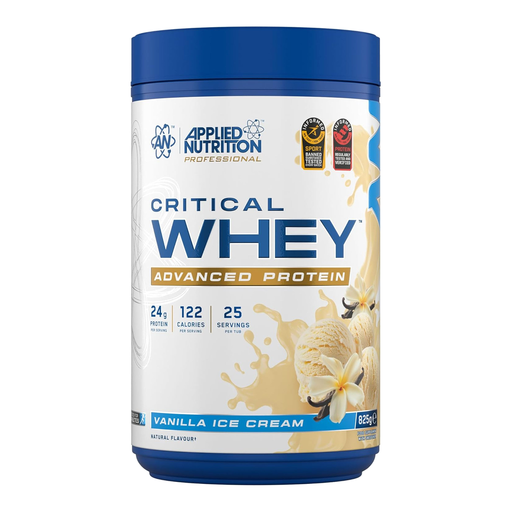
Why it suits this profile: The 825-gram pack is a practical size if you’re new to whey protein and want enough for several servings.
The product information states that each serving contains around 20 grams of protein and identifies a blend of whey concentrate, isolate and hydrolysed whey.
Vanilla flavour, around 20 grams of protein per serving and mixes with 300–400 ml of cold water.

Why it suits this profile: This whey isolate is aimed at people who want to compare products with high protein and low sugar and fat per serving.
The product details state that each 31-gram serving contains 25 grams of protein, less than 0.5 grams of sugar and less than 0.5 grams of fat.
930 grams, 31 servings, vanilla flavour, with milk and soya allergens clearly listed.
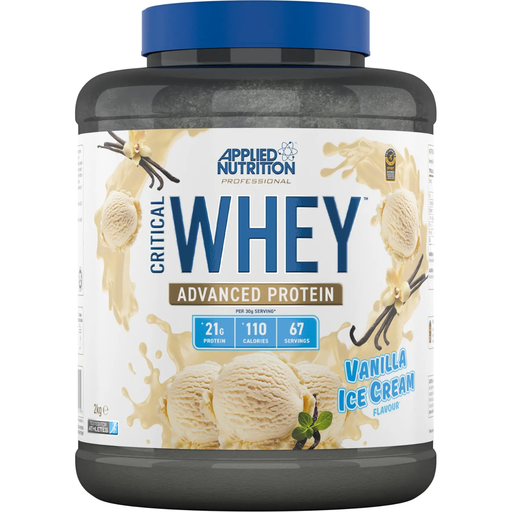
Why it suits this profile: The 2-kilogram pack is a practical choice if you regularly have a protein shake after exercise or between meals.
The serving size, nutritional values and allergens are specified: 21 grams of protein per 30 grams, with milk listed as an allergen.
2 kilograms, around 67 servings and approximately 110 kcal per serving, according to the product details.
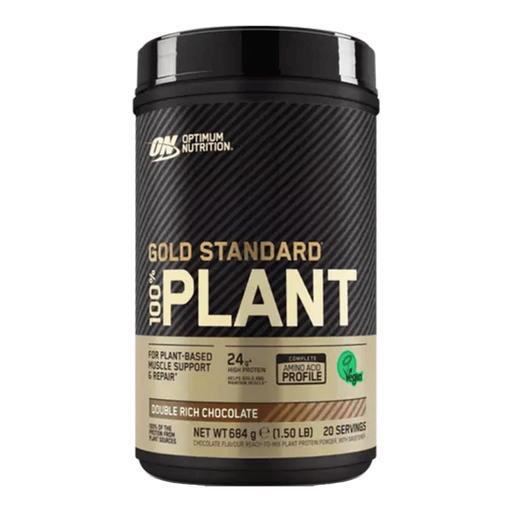
Why it suits this profile: This plant-based protein powder combines pea and rice protein and, according to the product information, is intended for vegans and vegetarians.
The protein source is clearly stated. Before buying, check the current packaging for possible traces of milk, gluten, eggs, soya, nuts and peanuts.
24 grams of plant-based protein per serving, 684 grams and a chocolate flavour.
We’ve put together a complete, up-to-date list of products that meet these strict selection criteria and current European safety regulations.
A shake can be used alongside breakfast, between meals or as protein powder after exercise. The exact timing matters less than your total protein intake and overall diet. Always follow the recommended serving instructions on the label, and don’t use a supplement as a substitute for a varied diet.
If you’re sensitive to milk, soya or other ingredients, it’s a good idea to check the current packaging. If you take medication, are pregnant or breastfeeding, or have an existing medical condition, speak to a doctor.
Not necessarily. Protein powder can be a convenient way to top up your daily protein intake. An EU-authorised nutrition claim states that protein contributes to the growth and maintenance of muscle mass, but training, your overall diet and recovery are important too.
Check the best-before date and batch number on the packaging. Store the powder as instructed, usually sealed, in a cool, dry place away from direct sunlight. Don’t use a product if it smells unusual, has become damp or shows obvious changes.
Work out the price per serving by dividing the purchase price by the number of recommended servings. Then compare the amount of protein per serving too. A larger pack may cost less per shake, but only if you’ll use that flavour and formula regularly.
