
Vandaag of morgen in huis

Kwaliteit gegarandeerd

Welkomstaanbiedingen ontgrendelen: GRATIS bezorging | Tot 80% korting | Gratis 30 dagen JoyPlus-proefperiode
Download de app
A shake after exercise sounds simple: powder, water, shaker and done. Yet many athletes buy a protein powder that does not match their nutritional goals. Sometimes they are mainly paying for eye-catching packaging or a flavour name, while the protein content per serving is disappointing. Terms such as “fast absorption”, “isolate” and “muscle recovery” are not always fully understood either.
As a Joybuy Product Recommendation Officer, I focus mainly on verifiable information on the label: the protein source, nutritional values per serving, allergens, serving size and number of servings. This allows you to compare whey protein, protein powder and other fitness supplements on practical grounds.
A high protein percentage per 100 grams does not tell you everything. Check the serving size too. A 30-gram scoop containing 24 grams of protein may be more appealing in practice than a large serving with lots of additional carbohydrates or sugar. Also check the total amount of powder in the packaging and the number of servings.
Whey protein and whey protein isolate come from milk. An isolate generally contains less fat and carbohydrates than some concentrates, but that does not automatically mean the product is completely free from lactose or suitable for people with a milk allergy. Always check the allergen declaration.
Anyone looking for lactose-free protein powder could also consider a beef protein-based product. Do pay close attention to the exact ingredients list and nutritional information for the option you choose.
A weight gainer is designed to add plenty of calories and carbohydrates. This may suit someone who finds it difficult to consume enough energy, but it makes less sense if you simply want to increase your daily protein intake. So compare calories, carbohydrates and protein per serving before ordering.
Whey protein is often used around a workout or as a protein shake during the day. Many formulas combine whey concentrate, whey isolate and hydrolysed whey. According to the product information, a whey isolate often contains relatively little fat and carbohydrates.
Casein protein is generally chosen for times when there will be a longer gap before the next meal, such as before bed. According to the product description, Optimum Nutrition Gold Standard Casein contains micellar casein and 24 grams of protein per serving.
Beef protein is an alternative for consumers who want to avoid whey or soya. Applied Nutrition Beef-XP states that it contains 27.2 grams of protein per 30-gram serving and, according to the ingredients list, includes beef protein isolate.
Collagen powder is another category altogether. It contains collagen peptides and is not the same as a complete protein powder for sports nutrition. Choose it based on your nutritional goal, rather than simply on the word “protein” on the packaging.
For a post-workout protein, many users look for around 20 to 25 grams of protein per serving and a limited amount of sugar. This is not a fixed standard for everyone; your total daily diet remains the deciding factor. The product details do, however, give you a useful point of comparison.
The figures are much higher for a weight gainer. Optimum Nutrition Serious Mass Cookies & Cream states that it contains 50 grams of protein, 250 grams of carbohydrates and approximately 1,269 to 1,292 kcal per 334-gram serving. This is a very different usage profile from a standard protein shake.
Check for milk, soya, gluten, egg and other allergens before buying. Ghost Whey contains milk ingredients and lactase, but the presence of lactase does not automatically make the product lactose-free. According to the product information, Applied Nutrition Critical Whey Caramel Latte contains 100 mg of caffeine per serving. This is relevant if you want to use the shake in the evening or already drink coffee and energy drinks.
Also look out for sweeteners such as sucralose and acesulfame-K if you prefer to avoid them. The composition may vary by flavour. Always use the current label as your reference point.
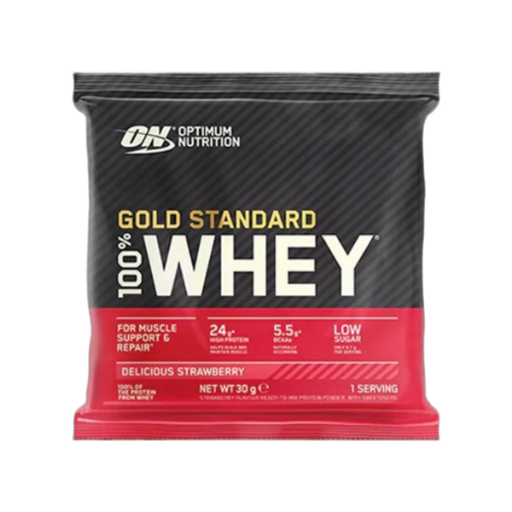
Why it suits this profile: The individual sachets are a convenient way to try a flavour and usage occasion without immediately buying a large pack.
The product information states that each serving contains 24 grams of whey protein and fewer than 120 kcal. Do check the current packaging and allergen information before ordering.
Individually portioned, 24 sachets and suitable for mixing with water, milk or a smoothie.

Why it suits this profile: This protein isolate option is suitable for athletes who want relatively little fat and carbohydrates per shake.
The nutritional information states that each 31-gram serving contains 25 grams of protein, fewer than 1 gram of carbohydrates and fewer than 0.5 grams of fat.
930 grams of product, approximately 31 servings and a formula based on whey protein isolate.
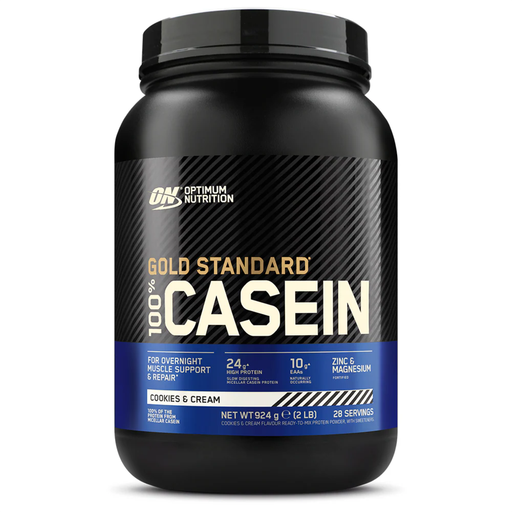
Why it suits this profile: Casein is suitable for users looking for a protein source for longer periods between meals, such as before bed.
The product is clearly labelled as casein. This makes it less likely that you will buy a fast-acting whey shake for a time when you are actually looking for longer-lasting satiety.
Micellar casein, 24 grams of protein per serving and approximately 28 servings in a 924-gram pack.
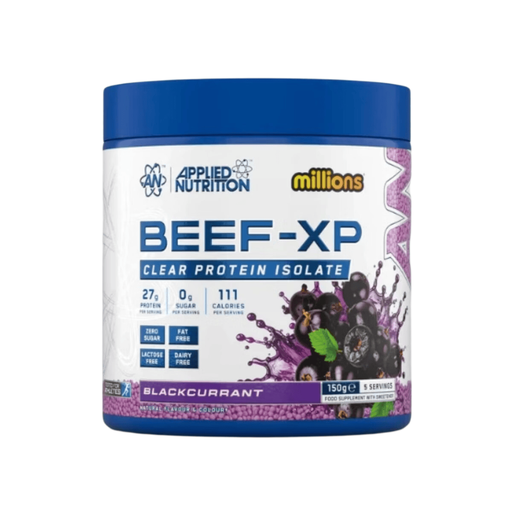
Why it suits this profile: This beef protein is intended for adults who prefer to avoid whey and soya and are looking for a beef-based alternative.
The product information lists beef protein isolate as the protein source and does not list dairy or gluten in the ingredients. Check the current label if you have allergies.
27.2 grams of protein per 30-gram serving, with low fat and carbohydrate content according to the stated nutritional values.
We have put together a complete, up-to-date list of products that fully meet these strict selection criteria and the applicable European safety regulations.
You can have a protein shake after exercise, but also at breakfast or as a supplement between meals. The timing is less important than your total protein intake and usual eating pattern. Always follow the dosage instructions on the label.
Store the powder in a dry, cool place, tightly sealed and away from direct sunlight and moisture. The best-before date and batch information are shown on the packaging. Do not use a product if the packaging is damaged or if its smell, colour or texture has clearly changed.
Not necessarily. Calculate the price per serving or per 20 grams of protein, and compare the ingredients and nutritional content at the same time. A large pack may be cheaper per shake, while sachets are more convenient when you want to try a flavour first. Also consider additional calories, caffeine and allergens.
