
Vandaag of morgen in huis

Kwaliteit gegarandeerd

Welkomstaanbiedingen ontgrendelen: GRATIS bezorging | Tot 80% korting | Gratis 30 dagen JoyPlus-proefperiode
Download de app
Protein powder can be useful when you are an athlete, fitness enthusiast or active person looking to add extra protein to your daily diet. However, you are not automatically paying for a product that suits your goals. A large pack, eye-catching claims or a well-known brand name say little about how suitable it is in practice.
The key question is not which product is promoted the most, but which type of protein, protein content and time of use fit your situation. Below, you can find out what to look for and which options suit different user profiles.
A high percentage sounds appealing, but also check the serving size. A product may contain a lot of protein per 100 grams, while the recommended serving is small. So always compare:
For example, a 25-gram serving of protein may be more practical than a product with a higher percentage but a smaller serving.
Whey isolate and casein come from milk. They are therefore not suitable for vegans and generally contain milk as an allergen. Plant-based protein powder made from peas, rice or soya may be a better fit for a vegan or vegetarian diet.
Do watch out for possible cross-contamination. Packaging may state that a product is made in a facility that also handles milk, gluten, eggs, soya, nuts or peanuts. If you have an allergy, always use the current packaging as your guide.
According to brands’ own product information, protein can contribute to the growth and maintenance of muscle mass when it forms part of a suitable diet and training routine. This does not mean that a protein shake alone causes muscle growth or muscle recovery.
Claims such as ‘fast absorption’, ‘complete amino acid profile’ or ‘slow release’ describe product properties. Your training plan, overall diet, rest and individual needs remain decisive. Do not use a food supplement as a replacement for a varied diet.
Whey isolate is a milk-based protein source. Optimum Nutrition 100% Gold Standard Isolate’s product information states that it provides 25 grams of protein per 31-gram serving, with less than 0.5 grams of sugar and less than 0.5 grams of fat. According to the label, the vanilla, strawberry and chocolate flavours provide around 31 servings per 930-gram pack.
Casein protein also comes from milk, but is described in the product information as a slow-digesting protein source. Gold Standard Casein products list 24 grams of protein per serving. This makes them suitable for people who want to use extra protein between meals or before bed. They contain milk and soya and are not vegan.
Plant-based protein powder may consist of a single source, such as soya, or a combination of sources such as pea and rice protein. A blend may be appealing if you want to combine different plant-based protein sources. Always check the ingredients list and allergen information.
The recommended amount varies from one product to another. Examples from the available product information include:
Do not use the scoop as an accurate measure without reading the instructions. The specified amount of water, for example, varies from 250 to 600 millilitres. More water generally produces a thinner shake, while less water creates a more intense flavour.
If you want to limit sugar, check the nutrition table rather than relying only on the front of the packaging. The whey isolate varieties list less than 0.5 grams of sugar per serving. According to the product information, the Clear Protein products are described as sugar-free and contain ingredients including sucralose and steviol glycosides.
According to the stated composition, Lucovitaal Protein Soy Powder Pure contains no added flavourings, colourings, sugar or lactose. Its flavour is neutral, so you can mix the powder into a smoothie or use it in baking recipes. Soya is an allergen, however, and is clearly listed in the ingredients.
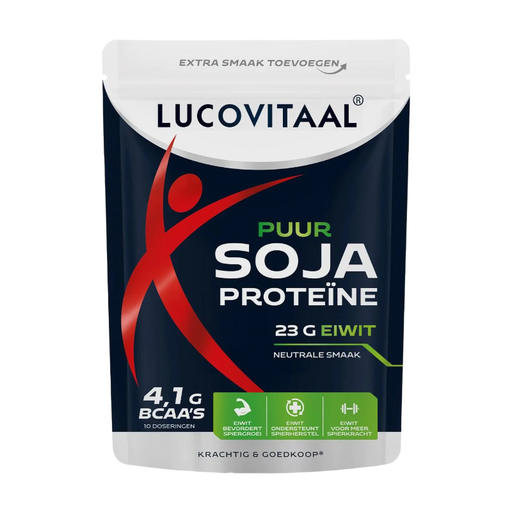
Why it suits this profile: The neutral flavour and 25-gram serving make this plant-based protein powder easy to use in shakes, smoothies or recipes.
The nutrition information states 23 grams of protein per serving, 0 grams of sugar and 0 grams of carbohydrates. This makes it easy to check the cost and composition per serving.
100% soya protein isolate, 23 grams of protein per 25 grams, and suitable for vegan and lactose-free diets.

Why it suits this profile: This whey isolate is aimed at adults looking for a compact shake with a high protein content and little sugar.
The product information gives the protein, sugar and fat values per serving. You therefore do not have to rely solely on terms such as ‘ultra-pure’ or ‘fast absorption’.
25 grams of protein per serving, around 31 shakes per pack, and less than 0.5 grams of sugar and fat per serving according to the label.
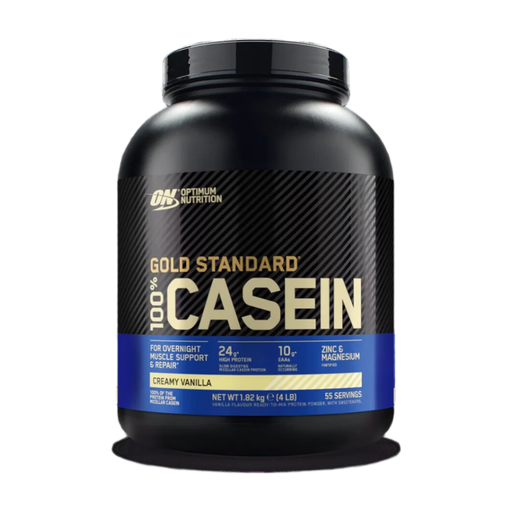
Why it suits this profile: The large pack and slow-digesting casein suit users who plan to have a protein shake regularly between meals or before bed.
The product description clearly states 24 grams of protein per serving, the milk allergen and the recommended time of use. This makes the choice less dependent on general recovery claims.
24 grams of protein per serving, 1,800 grams of product and a formula based on slow-digesting casein.
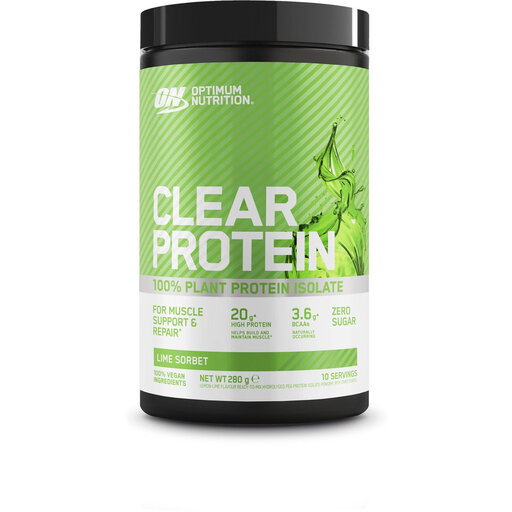
Why it suits this profile: The fruity drink format is an alternative to a creamy protein shake and, according to the product information, contains 20 grams of protein per serving.
The packaging states 10 servings, 28 grams of powder per serving and 600 millilitres of water. This allows you to estimate the contents and cost of use in advance.
100% plant-based according to the product information, 20 grams of protein per serving and a sugar-free formula.
We have put together a complete, up-to-date list of products that fully meet these strict selection criteria and the applicable European safety regulations.
Not necessarily. Protein powder is primarily a practical way to supplement your daily protein intake. According to the product information, protein contributes to the growth and maintenance of muscle mass; results also depend on training, diet and recovery.
Follow the best-before date on the packaging. Once opened, the product remains most suitable for use when you seal the tub properly and store it in a dry, cool place away from direct sunlight. Do not use powder that has a noticeably different smell, has clumped due to moisture or has changed colour.
Calculate the price per shake by dividing the purchase price by the number of servings. Also consider the protein content per serving. A pack containing more grams of powder is not automatically better value if the serving size is significantly larger.
