
Vandaag of morgen in huis

Kwaliteit gegarandeerd

Welkomstaanbiedingen ontgrendelen: GRATIS bezorging | Tot 80% korting | Gratis 30 dagen JoyPlus-proefperiode
Download de app
Protein powder can be a convenient way to add extra protein to your daily diet, whether you’re a sportsperson, fitness enthusiast or simply lead an active lifestyle. But many products look much the same. Colourful packaging, claims such as “fast absorption” and a long list of amino acids don’t always tell you enough about what you’re actually buying.
As a Joybuy Product Recommendation Officer, I focus on information you can verify: the protein source, protein per serving, allergens, nutritional values, serving size and intended use. That way, you can avoid paying for a product that doesn’t suit your diet or training routine.
A high protein percentage is useful, but it’s not the only thing to consider. Check the serving size and the number of servings per pack, too. A product may contain a lot of protein per 100g but still provide relatively few servings if each scoop is large.
Also look out for added sugars, fats and carbohydrates. If you’re having a standard whey shake after exercise, you may prefer one that’s relatively low in calories. If you’re trying to gain weight, a weight gainer with extra carbohydrates and calories may be more suitable.
Whey protein comes from milk, so it isn’t automatically suitable for a lactose-free or dairy-free diet. Whey isolate generally contains less lactose than whey concentrate, but always check the label. According to the product information, a product containing lactase isn’t necessarily suitable for everyone with lactose intolerance.
If you want to avoid milk, you could choose vegan protein powder made from ingredients such as peas, rice or soya. With vegan products, also check for possible traces of milk, gluten, nuts or soya.
BCAAs occur naturally in various protein sources. A product mentioning BCAAs isn’t automatically right for your goals. First, check the total amount of protein per serving and the ingredients list.
Claims such as “fast absorption” are no reason to overlook allergens, sugar content or the cost per serving, either. A protein shake is a supplement to a varied diet, not a replacement for one.
Whey protein contains a combination of milk proteins. Many formulas combine whey concentrate, whey isolate and hydrolysed whey. Whey isolate is a more specific form which, in some products, contains less fat and carbohydrates. For example, Optimum Nutrition Gold Standard 100% Isolate lists 25g of protein per 31g serving, with less than 0.5g of sugar and fat per serving.
For vegans and vegetarians, plant-based protein powder and vegan protein powder are natural options. A blend of pea and rice protein can provide a range of amino acids. Soya protein isolate is another option, but it contains soya and isn’t suitable if you want to avoid it.
Compare products on a like-for-like basis. Check the:
According to the available product information, the products in this guide provide around 20 to 25g of protein per standard serving. A weight gainer is quite different: Optimum Nutrition Serious Mass lists 50g of protein, around 250g of carbohydrates and approximately 1.269 to 1.292 kcal per serving. It’s designed for a much higher calorie intake than a standard protein powder.
Always check the current packaging. Whey products contain milk and often soya as an emulsifier. Some products are made in facilities that also handle egg, gluten, peanuts or nuts.
For use after exercise, a serving that’s easy to mix and take with you can be particularly convenient. You can also use protein powder at breakfast, between meals, in a smoothie or in baking. Recommended quantities and preparation methods vary by product, so follow the label.
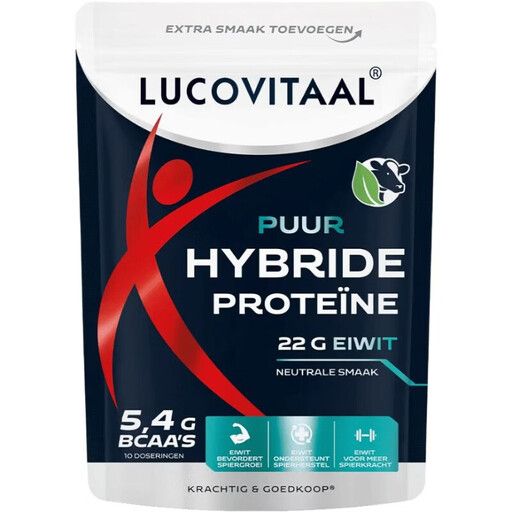
Why it suits this profile: The blend of whey concentrate and soya protein isolate offers a straightforward introduction to hybrid protein powder. According to the product information, each serving contains 22g of protein.
The product information lists both protein sources and a serving size of around 25g. This means you can compare the ingredients and serving size before you buy.
22g of protein per serving; no added colourings or flavourings, according to the product description.

Why it suits this profile: This whey isolate formula is aimed at athletes looking for a high amount of protein per serving, with little sugar and fat.
The product details clearly state that each 31g serving contains 25g of protein, less than 0.5g of sugar and less than 0.5g of fat.
31 servings per pack; made with whey isolate; vanilla flavour.
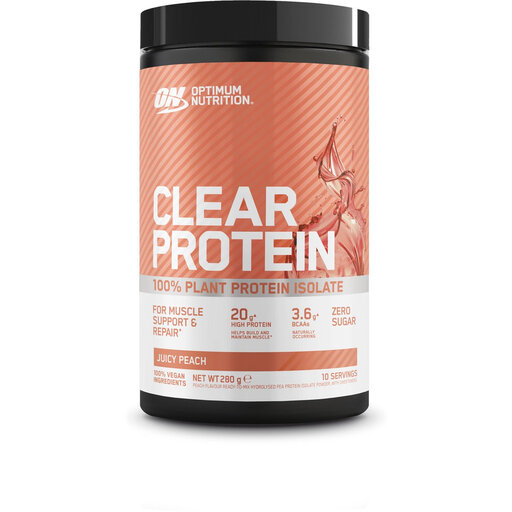
Why it suits this profile: A light, dairy-free protein shake made with 100% plant protein isolate. According to the product information, it’s vegan and provides 20g of protein per serving.
The ingredients list specifies 100% plant protein isolate and no sugar. However, check the warning about possible traces of milk, soya, gluten and nuts.
20g of protein per serving; described as vegan; mix each serving with 600 ml of cold water.
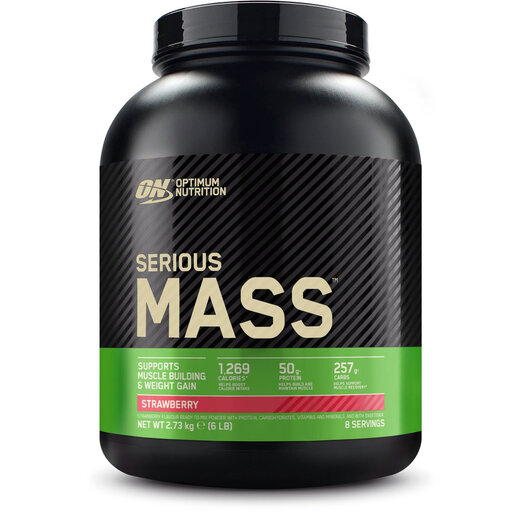
Why it suits this profile: This weight gainer is designed for adults who want to add plenty of extra calories and carbohydrates as well as protein.
The high amounts per serving are clearly stated: 50g of protein and around 250g of carbohydrates. That makes it clear this isn’t a standard protein shake that you might mistakenly buy as a low-calorie option.
2.73 kg pack; 9 servings; designed to provide extra calories and protein as part of a nutrition plan.
We’ve put together a full, up-to-date list of products that meet these strict selection criteria and the current European safety regulations.
You can use protein powder after exercise if you want a convenient way to add protein at that point in the day. There’s no need for everyone to take it at a set time. It can also work at breakfast, between meals or in a smoothie. Follow the serving instructions on the pack.
The shelf life is shown on the packaging. As a general rule, store the powder in a cool, dry, dark place and keep it tightly sealed. Always check the batch information and best-before date on the product you’ve bought. Moisture can affect its texture and how easily it mixes.
Don’t rely on the words “lactose-free” alone. Check the ingredients and allergen information. Vegan protein powder made from peas, rice or soya contains no whey, but may still contain traces of milk. Whey isolate often contains less lactose than whey concentrate, but it’s still a milk product. If you have an allergy or medical condition, it’s sensible to speak to a doctor or dietitian.
